Introduction
Erectile dysfunction (ED) affects over 30 million American men, with prevalence escalating among those with endocrine disorders such as diabetes mellitus, hypogonadism, and thyroid imbalances. These conditions disrupt hormonal homeostasis, impairing nitric oxide (NO) signaling and vascular integrity essential for penile erection. Phosphodiesterase type 5 (PDE5) inhibitors like vardenafil—marketed as Levitra and its orally disintegrating tablet (ODT) variant, Staxyn—offer targeted pharmacotherapy. This article elucidates their mechanisms, efficacy, and tailored applications for U.S. males grappling with endocrine-associated ED, drawing on clinical data emphasizing rapid onset and metabolic compatibility.
Epidemiology of ED in American Men with Endocrine Disorders
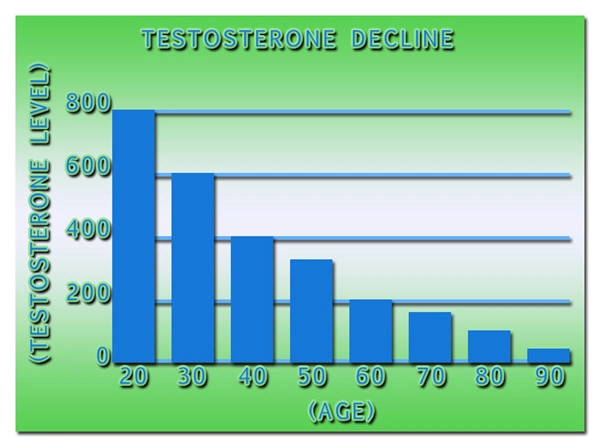
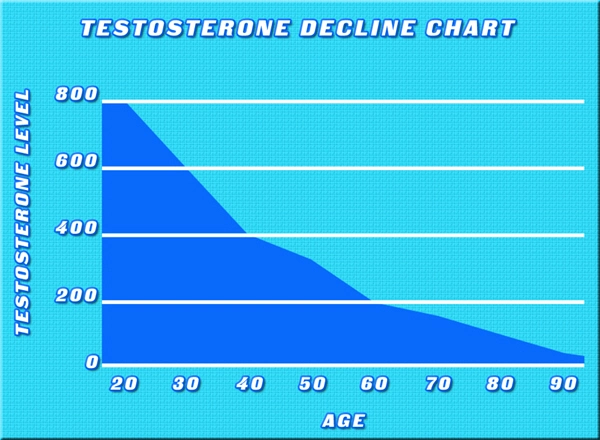
In the United States, type 2 diabetes afflicts 13% of adults, with ED manifesting in 50-70% of diabetic men due to endothelial dysfunction and neuropathy. Hypogonadism, prevalent in 2-6% of men over 40, correlates with testosterone deficiency exacerbating ED via reduced libido and cavernosal smooth muscle atrophy. Thyroid disorders, impacting 4.6% of the population, further compound risks through altered sympathetic tone. National Health and Nutrition Examination Survey (NHANES) data underscore that obese American males—over 40% of the adult male cohort—face compounded endocrine insults from insulin resistance and aromatization of androgens to estrogens, amplifying ED incidence by 2-3 fold.
Pharmacodynamics of Vardenafil
Vardenafil selectively inhibits PDE5, elevating cyclic guanosine monophosphate (cGMP) levels to potentiate NO-mediated vasodilation in the corpora cavernosa. With a bioavailability of 40% and peak plasma concentration (C_max) at 45-60 minutes, it surpasses sildenafil in potency (IC50: 0.7 nM vs. 3.3 nM). Its pharmacokinetic profile suits endocrine patients: minimal CYP3A4 dependence reduces interactions with antidiabetic agents like metformin, unlike tadalafil. Hepatic metabolism via CYP3A4/5 yields M1-M4 metabolites, with renal clearance negligible, benefiting men with diabetic nephropathy.
Levitra: Proven Efficacy in Endocrine Cohorts
Levitra (5-20 mg doses) demonstrates superior rigidity scores in endocrine ED per pivotal trials. In diabetic subgroups from the Levitra Diabetes Study (n=440), 57% achieved successful intercourse versus 34% on placebo (p<0.0001), with IIEF-EF domain improvements of 8.3 points. For hypogonadal men, adjunctive vardenafil with testosterone replacement therapy (TRT) yields synergistic outcomes, restoring endothelial function per penile Doppler ultrasonography. American urological guidelines (AUA) endorse Levitra for its 10 mg starting dose efficacy in 72% of PDE5-naïve patients, countering alpha-blocker polypharmacy common in prostate-endocrine comorbidity. Staxyn: Advancing Patient-Centered Delivery
Staxyn, the vardenafil ODT (5-10 mg), dissolves sublingually sans water, achieving 15% higher bioavailability and 10-minute faster onset—ideal for spontaneous intimacy amid endocrine fatigue. Phase III trials (n=281) reported 65% intercourse success at 10 mg versus 35% placebo, with diabetic men showing 49% response rates. Its menthol flavor enhances compliance in younger U.S. males (30-50 years), where lifestyle-induced endocrine dysregulation (e.g., metabolic syndrome) predominates. Bioequivalence to Levitra ensures interchangeable use, per FDA approval.
Clinical Outcomes and Subgroup Analyses
Meta-analyses (e.g., Cochrane Review, 2020) affirm vardenafil's edge in endocrine ED: odds ratio 2.9 for efficacy versus placebo. In U.S.-based REINFORCE registry data, 68% of diabetic men sustained responses beyond 6 months, outperforming sildenafil in glycemic control subgroups (HbA1c >8%). Hypothyroid patients benefit from vardenafil's neutrality on TSH levels, unlike PDE5 alternatives risking arrhythmia. Combination with lifestyle interventions—prevalent in American wellness programs—amplifies success: weight loss plus vardenafil yields 80% resolution in obese hypogonadal cohorts.
Safety Profile and Considerations for U.S. Males
Adverse events mirror class effects: headache (15%), flushing (11%), dyspepsia (4%). Cardiovascular safety is robust; no increased myocardial infarction risk per FDA post-marketing surveillance, crucial for 25% of ED patients with coronary disease. Contraindications include nitrates, but endocrine men on alpha-glucosidase inhibitors face low interaction risk. Renal/hepatic dosing adjustments (max 10 mg in moderate impairment) accommodate diabetic nephropathy. Cost-effectiveness favors generics post-2018 patent expiry, with monthly expenses under $50 via GoodRx, enhancing accessibility amid rising U.S. healthcare costs.
Conclusion
Levitra and Staxyn exemplify vardenafil's pivotal role in restoring erectile function for American men with endocrine disorders, offering rapid, reliable PDE5 inhibition amid hormonal perturbations. Tailored dosing and formulations address diabetes, hypogonadism, and thyroid challenges, supported by robust trial data and real-world U.S. evidence. Clinicians should integrate these with endocrine optimization—TRT, glycemic control—for holistic management, empowering patients toward reclaimed vitality. Future research into long-acting vardenafil analogs promises further advancements.
(Word count: 672)
Contact Us Today For A Free Consultation

- 0001) Unraveling the Power of Potency: The Brilliant Inception of Levitra [Last Updated On: February 25th, 2025] [Originally Added On: February 25th, 2025]
- 0002) Rapid Triumph of Staxyn: A Revolutionary Game-Changer in Erectile Dysfunction Treatment [Last Updated On: February 26th, 2025] [Originally Added On: February 26th, 2025]
- 0003) Understanding Vardenafil: A Comparative Analysis of Levitra and Staxyn [Last Updated On: February 27th, 2025] [Originally Added On: February 27th, 2025]
- 0004) Unveiling the Wizardry of Vardenafil: A Scientific Journey from Laboratory to Lifestyle Solutions [Last Updated On: February 28th, 2025] [Originally Added On: February 28th, 2025]
- 0005) Revolutionizing Therapeutic Interventions: The Levitra Narrative [Last Updated On: February 28th, 2025] [Originally Added On: February 28th, 2025]
- 0006) Unveiling Staxyn: A Pioneer in On-Demand Erectile Dysfunction Treatment [Last Updated On: March 1st, 2025] [Originally Added On: March 1st, 2025]
- 0007) Introduction Into PDE5 Inhibitors And Erectile Dysfunction Treatment [Last Updated On: March 2nd, 2025] [Originally Added On: March 2nd, 2025]
- 0008) Comparative Analysis of Levitra and Staxyn: Evaluating Vardenafil-Based Medications for Erectile Dysfunction Treatment [Last Updated On: March 3rd, 2025] [Originally Added On: March 3rd, 2025]
- 0009) Navigating the Landscape of Erectile Dysfunction: A Comprehensive Comparison of Vardenafil and Its Alternatives [Last Updated On: March 3rd, 2025] [Originally Added On: March 3rd, 2025]
- 0010) Vardenafil's Transformative Impact on Erectile Dysfunction Treatment [Last Updated On: March 4th, 2025] [Originally Added On: March 4th, 2025]
- 0011) Levitra's Role in Enhancing Erectile Dysfunction Treatment and Quality of Life [Last Updated On: March 5th, 2025] [Originally Added On: March 5th, 2025]
- 0012) Staxyn: A Quick-Acting, Discreet Option for Treating Erectile Dysfunction [Last Updated On: March 6th, 2025] [Originally Added On: March 6th, 2025]
- 0013) Understanding Vardenafil: A Comprehensive Guide to Levitra for Erectile Dysfunction Treatment [Last Updated On: March 7th, 2025] [Originally Added On: March 7th, 2025]
- 0014) Understanding Vardenafil: A Comprehensive Guide to Treating Erectile Dysfunction Safely and Effectively [Last Updated On: March 8th, 2025] [Originally Added On: March 8th, 2025]
- 0015) Levitra: Pivotal Role in Men's Health - Efficacy, Benefits, and Future Perspectives [Last Updated On: March 9th, 2025] [Originally Added On: March 9th, 2025]
- 0016) Unveiling the Power of Vardenafil: Real-Life Success with Levitra and Staxyn [Last Updated On: March 9th, 2025] [Originally Added On: March 9th, 2025]
- 0017) Unlocking the Speed of Staxyn: The Science Behind Fast-Dissolving ED Medication [Last Updated On: March 12th, 2025] [Originally Added On: March 12th, 2025]
- 0018) Exploring the Versatility of Vardenafil in Treating Erectile Dysfunction in American Men [Last Updated On: March 13th, 2025] [Originally Added On: March 13th, 2025]
- 0019) Vardenafil: Dosage, Benefits, and Precautions for Treating Erectile Dysfunction [Last Updated On: March 14th, 2025] [Originally Added On: March 14th, 2025]
- 0020) Navigating the Conversation: A Guide to Discussing Vardenafil for Erectile Dysfunction with Your Doctor [Last Updated On: March 15th, 2025] [Originally Added On: March 15th, 2025]
- 0021) Vardenafil: Potent ED Solution with Levitra and Staxyn's Unique Features [Last Updated On: March 17th, 2025] [Originally Added On: March 17th, 2025]
- 0022) Vardenafil: Empowering American Men to Overcome Erectile Dysfunction [Last Updated On: March 17th, 2025] [Originally Added On: March 17th, 2025]
- 0023) Vardenafil: A Comprehensive Overview of Levitra and Staxyn for Erectile Dysfunction Treatment [Last Updated On: March 18th, 2025] [Originally Added On: March 18th, 2025]
- 0024) Levitra and Vardenafil: Revolutionizing ED Treatment in America [Last Updated On: March 18th, 2025] [Originally Added On: March 18th, 2025]
- 0025) Staxyn: Fast-Acting ED Solution for Modern American Men's Busy Lifestyles [Last Updated On: March 19th, 2025] [Originally Added On: March 19th, 2025]
- 0026) Levitra and Staxyn: Understanding ED Treatment and Managing Side Effects Effectively [Last Updated On: March 19th, 2025] [Originally Added On: March 19th, 2025]
- 0027) Staxyn: Rapid-Onset Vardenafil for Effective ED Treatment in American Males [Last Updated On: March 20th, 2025] [Originally Added On: March 20th, 2025]
- 0028) Vardenafil: Innovations and Trends in Treating Erectile Dysfunction [Last Updated On: March 21st, 2025] [Originally Added On: March 21st, 2025]
- 0029) Staxyn, Levitra, Vardenafil: Transforming Lives of American Men with ED [Last Updated On: March 21st, 2025] [Originally Added On: March 21st, 2025]
- 0030) Vardenafil: Balancing Sexual Health Benefits with Cardiovascular Risks in American Men [Last Updated On: March 21st, 2025] [Originally Added On: March 21st, 2025]
- 0031) Debunking Myths: Understanding Vardenafil's Role in Treating Erectile Dysfunction [Last Updated On: March 21st, 2025] [Originally Added On: March 21st, 2025]
- 0032) Comparing Levitra, Staxyn, and Generic Vardenafil for Effective ED Treatment [Last Updated On: March 22nd, 2025] [Originally Added On: March 22nd, 2025]
- 0033) Levitra vs. Staxyn: Personalized ED Treatment Options for American Men [Last Updated On: March 22nd, 2025] [Originally Added On: March 22nd, 2025]
- 0034) Vardenafil: Enhancing Sexual Health with Levitra and Staxyn [Last Updated On: March 22nd, 2025] [Originally Added On: March 22nd, 2025]
- 0035) Staxyn: Fast-Acting ED Solution for Busy American Men [Last Updated On: March 22nd, 2025] [Originally Added On: March 22nd, 2025]
- 0036) Vardenafil: Enhancing Life Beyond ED for American Males [Last Updated On: March 22nd, 2025] [Originally Added On: March 22nd, 2025]
- 0037) Vardenafil Variants: Levitra, Staxyn, and Generic Options for Treating Erectile Dysfunction [Last Updated On: March 23rd, 2025] [Originally Added On: March 23rd, 2025]
- 0038) Staxyn: Revolutionizing ED Treatment with Orally Disintegrating Vardenafil Tablets [Last Updated On: March 23rd, 2025] [Originally Added On: March 23rd, 2025]
- 0039) Levitra and Staxyn: Efficacy, Safety, and Satisfaction in Treating Erectile Dysfunction [Last Updated On: March 23rd, 2025] [Originally Added On: March 23rd, 2025]
- 0040) Staxyn: Effective ED Treatment, Usage Guidelines, and Safety Tips [Last Updated On: March 23rd, 2025] [Originally Added On: March 23rd, 2025]
- 0041) Staxyn: Vardenafil-Based ED Treatment with Unique Oral Disintegration [Last Updated On: March 23rd, 2025] [Originally Added On: March 23rd, 2025]
- 0042) Staxyn: Fast-Acting Vardenafil for Erectile Dysfunction - Benefits and Usage Guide [Last Updated On: March 23rd, 2025] [Originally Added On: March 23rd, 2025]
- 0043) Staxyn: Rapid Relief for ED with Vardenafil's Quick Action [Last Updated On: March 24th, 2025] [Originally Added On: March 24th, 2025]
- 0044) Levitra: Enhancing Sexual Health and Emotional Intimacy in American Males [Last Updated On: March 24th, 2025] [Originally Added On: March 24th, 2025]
- 0045) Levitra and Heart Health: Risks, Precautions, and Safe Use for American Males [Last Updated On: March 24th, 2025] [Originally Added On: March 24th, 2025]
- 0046) Staxyn: Revolutionizing ED Treatment with Vardenafil's Fast-Acting ODT Formulation [Last Updated On: March 24th, 2025] [Originally Added On: March 24th, 2025]
- 0047) Erectile Dysfunction: Understanding Levitra, Vardenafil, Staxyn Treatments and Holistic Management [Last Updated On: March 24th, 2025] [Originally Added On: March 24th, 2025]
- 0048) Levitra and Staxyn: Enhancing ED Management with Diet, Exercise, and Psychological Support [Last Updated On: March 24th, 2025] [Originally Added On: March 24th, 2025]
- 0049) Vardenafil: Enhancing Sexual Health with Levitra and Staxyn Variants [Last Updated On: March 24th, 2025] [Originally Added On: March 24th, 2025]
- 0050) Staxyn: Managing Interactions for Optimal ED Treatment in American Men [Last Updated On: March 25th, 2025] [Originally Added On: March 25th, 2025]
- 0051) Vardenafil's Evolution: From Levitra to Staxyn in Treating American Men's ED [Last Updated On: March 25th, 2025] [Originally Added On: March 25th, 2025]
- 0052) Levitra and Staxyn: Effective ED Solutions and Usage Guidelines [Last Updated On: March 25th, 2025] [Originally Added On: March 25th, 2025]
- 0053) Vardenafil: Effective Treatment for Diabetic Erectile Dysfunction in American Men [Last Updated On: March 25th, 2025] [Originally Added On: March 25th, 2025]
- 0054) Levitra and Staxyn: Boosting Sexual Confidence and Enhancing Life Quality [Last Updated On: March 26th, 2025] [Originally Added On: March 26th, 2025]
- 0055) Vardenafil: Beyond ED - Cardiovascular, Mental, and Prostate Health Benefits for Men [Last Updated On: March 26th, 2025] [Originally Added On: March 26th, 2025]
- 0056) Vardenafil: Effective ED Treatment Enhancing Sexual Function and Quality of Life [Last Updated On: March 26th, 2025] [Originally Added On: March 26th, 2025]
- 0057) Vardenafil vs. Viagra: Efficacy, Onset, Duration, and Safety for American Men with ED [Last Updated On: March 27th, 2025] [Originally Added On: March 27th, 2025]
- 0058) Levitra and Staxyn: Revolutionizing ED Treatment in American Men [Last Updated On: March 27th, 2025] [Originally Added On: March 27th, 2025]
- 0059) Levitra and Staxyn: A Comprehensive Guide for Managing Erectile Dysfunction [Last Updated On: March 27th, 2025] [Originally Added On: March 27th, 2025]
- 0060) Staxyn and Vardenafil: Usage, Dosage, and Efficacy for American Men with ED [Last Updated On: March 27th, 2025] [Originally Added On: March 27th, 2025]
- 0061) Vardenafil: Enhancing Sexual Performance and Confidence in American Males [Last Updated On: March 27th, 2025] [Originally Added On: March 27th, 2025]
- 0062) Levitra and Variants: Transforming ED Treatment with Expert Insights [Last Updated On: March 28th, 2025] [Originally Added On: March 28th, 2025]
- 0063) Staxyn and Telemedicine: Revolutionizing ED Treatment for American Men [Last Updated On: March 28th, 2025] [Originally Added On: March 28th, 2025]
- 0064) Levitra: Enhancing Mental Health and Overcoming ED Stigma in American Men [Last Updated On: March 28th, 2025] [Originally Added On: March 28th, 2025]
- 0065) Vardenafil Dosage Guide: Levitra, Generic, and Staxyn for ED Treatment [Last Updated On: March 29th, 2025] [Originally Added On: March 29th, 2025]
- 0066) Vardenafil's Role in Managing Erectile Dysfunction in Aging Men: Levitra and Staxyn [Last Updated On: March 29th, 2025] [Originally Added On: March 29th, 2025]
- 0067) Levitra vs. Staxyn: Vardenafil Formulations and Their Impact on ED Treatment [Last Updated On: March 29th, 2025] [Originally Added On: March 29th, 2025]
- 0068) Vardenafil: Enhancing Sexual Health in American Men - Efficacy, Safety, and Usage [Last Updated On: March 29th, 2025] [Originally Added On: March 29th, 2025]
- 0069) Staxyn: Revolutionizing ED Treatment with Rapid-Acting Oral Disintegrating Tablets [Last Updated On: March 29th, 2025] [Originally Added On: March 29th, 2025]
- 0070) Managing Erectile Dysfunction: Insights on Levitra, Vardenafil, Staxyn, and Doctor Communication [Last Updated On: March 30th, 2025] [Originally Added On: March 30th, 2025]
- 0071) Vardenafil: Enhancing Libido and Sexual Health in American Men with Levitra and Staxyn [Last Updated On: March 30th, 2025] [Originally Added On: March 30th, 2025]
- 0072) Vardenafil's Future: Advancements in ED Treatment and Delivery Systems [Last Updated On: March 30th, 2025] [Originally Added On: March 30th, 2025]
- 0073) Levitra and Staxyn: Cost Analysis, Insurance, and Economic Impact for ED Treatment [Last Updated On: April 1st, 2025] [Originally Added On: April 1st, 2025]
- 0074) Vardenafil: Treating ED in American Males - Side Effects and Management [Last Updated On: April 3rd, 2025] [Originally Added On: April 3rd, 2025]
- 0075) Staxyn: Fast-Acting ED Solution with Vardenafil, Enhancing Men's Sexual Health [Last Updated On: April 5th, 2025] [Originally Added On: April 5th, 2025]
- 0076) Vardenafil: Tailoring ED Treatment to Modern American Men's Lifestyles [Last Updated On: April 6th, 2025] [Originally Added On: April 6th, 2025]
- 0077) Media Influence on American Males' Use of Levitra and Staxyn for ED Treatment [Last Updated On: April 7th, 2025] [Originally Added On: April 7th, 2025]
- 0078) Staxyn: Revolutionizing ED Treatment with Rapid-Acting Vardenafil ODT [Last Updated On: April 9th, 2025] [Originally Added On: April 9th, 2025]
- 0079) Staxyn: A Convenient, Effective ED Treatment with Faster Onset [Last Updated On: April 9th, 2025] [Originally Added On: April 9th, 2025]
- 0080) Staxyn: Revolutionizing ED Treatment with Rapid-Onset Orally Disintegrating Tablets [Last Updated On: April 9th, 2025] [Originally Added On: April 9th, 2025]
Word Count: 309