Introduction
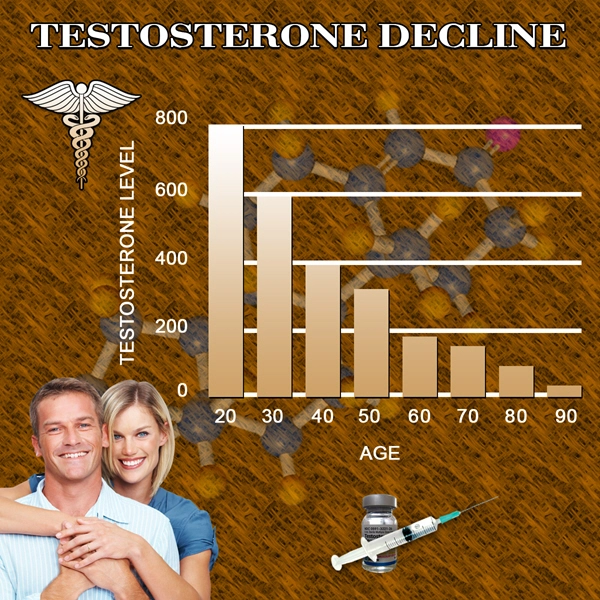
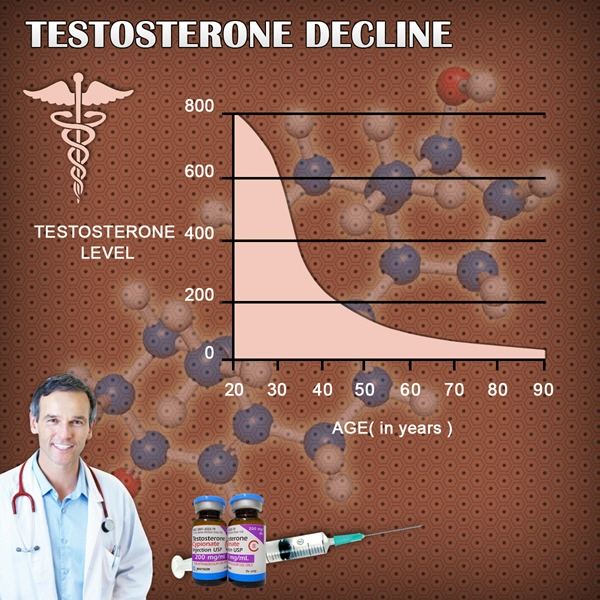
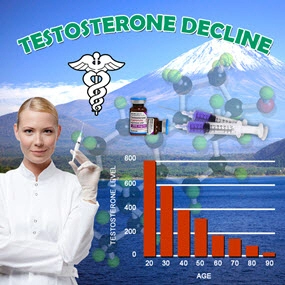
Late-onset hypogonadism (LOH), characterized by a gradual decline in serum testosterone levels in men over 40, affects up to 30% of American males aged 50-79, according to data from the National Health and Nutrition Examination Survey (NHANES). This endocrine disorder, often termed androgen deficiency of the aging male (ADAM), manifests with symptoms including fatigue, reduced libido, and metabolic disturbances. Emerging research highlights a bidirectional relationship between LOH and liver health, where testosterone deficiency exacerbates hepatic steatosis, inflammation, and fibrosis. In the U.S., where non-alcoholic fatty liver disease (NAFLD) prevalence exceeds 30% in middle-aged men, understanding this interplay is crucial for preventive cardiology and hepatology. This article synthesizes pathophysiological mechanisms, epidemiological evidence, and clinical implications tailored to American males.
Pathophysiological Mechanisms Linking LOH to Liver Dysfunction
Testosterone exerts hepatoprotective effects via androgen receptors (AR) expressed on hepatocytes and Kupffer cells. In LOH, hypoandrogenism promotes visceral adiposity, insulin resistance, and dyslipidemia—core components of metabolic syndrome prevalent in 25% of U.S. men per CDC statistics. Low testosterone upregulates sterol regulatory element-binding protein-1c (SREBP-1c), driving de novo lipogenesis and triglyceride accumulation in hepatocytes, a hallmark of NAFLD.
Moreover, hypogonadism induces chronic low-grade inflammation through elevated interleukin-6 (IL-6) and tumor necrosis factor-alpha (TNF-?), fostering stellate cell activation and extracellular matrix deposition. Studies in rodent models demonstrate that orchidectomy (testosterone ablation) accelerates NASH progression, reversible with testosterone supplementation. In humans, genome-wide association studies (GWAS) identify single nucleotide polymorphisms in the AR gene correlating with elevated alanine aminotransferase (ALT) levels, underscoring genetic susceptibility in aging American cohorts.
Epidemiology in American Males: Prevalence and Risk Stratification
NHANES III and subsequent cohorts reveal that American men with total testosterone <300 ng/dL exhibit a 1.5-2-fold higher odds ratio (OR) for NAFLD, independent of obesity. A 2022 meta-analysis of U.S.-based studies (n=15,000) reported that LOH doubles the risk of advanced fibrosis, assessed via Fibrosis-4 (FIB-4) scores >2.67. Hispanic and African American males, disproportionately affected by metabolic syndrome, show compounded risks; for instance, testosterone levels inversely correlate with hepatic fat content on MRI-PDFF in multi-ethnic NHANES participants.
Longitudinal data from the Framingham Heart Study Offspring Cohort indicate that a 100 ng/dL decrement in bioavailable testosterone over 5 years predicts a 40% increase in incident NAFLD, highlighting temporal causality. Comorbidities like type 2 diabetes mellitus (T2DM), afflicting 13% of U.S. men over 45, amplify this vulnerability via shared pathways involving free fatty acid overflow and oxidative stress.
Clinical Markers: Liver Function Tests and Imaging Correlates
Men with LOH commonly present with deranged liver enzymes: aspartate aminotransferase (AST) and ALT elevations >1.5x upper limit of normal (ULN) in 20-40% of cases, per endocrine society audits. Gamma-glutamyl transferase (GGT) surges reflect cholestatic tendencies linked to estrogen-androgen imbalance. Transient elastography (FibroScan) metrics show increased liver stiffness (>7 kPa) in hypogonadal males, prognostic of cirrhosis.
Contrast-enhanced ultrasound and controlled attenuation parameter (CAP) scores further delineate steatohepatitis risks. In a Veterans Affairs study of 5,000 aging U.S. males, LOH was associated with a 2.3 hazard ratio (HR) for hepatocellular carcinoma (HCC) progression, mediated by impaired AR signaling.
Therapeutic Strategies and Testosterone Replacement Therapy (TRT)
Testosterone replacement therapy (TRT), via intramuscular injections, gels, or pellets, ameliorates hepatic parameters. Randomized controlled trials (RCTs), including the T4DM trial in U.S. veterans, demonstrate 15-20% ALT reductions and 10% hepatic fat regression after 12 months of TRT (dose: 75-100 mg/week). TRT enhances mitochondrial ?-oxidation, suppresses lipogenic genes, and mitigates fibrosis via peroxisome proliferator-activated receptor-alpha (PPAR-?) activation.
However, candidacy requires prostate-specific antigen (PSA) screening and hematocrit monitoring, given polycythemia risks. Lifestyle interventions—weight loss (>7% body weight) and exercise—synergize with TRT, yielding superior NAFLD resolution rates. Guidelines from the American Association for the Study of Liver Diseases (AASLD) endorse multidisciplinary management for hypogonadal men with NAFLD.
Future Directions and Public Health Implications
Prospective trials like TRAVERSE (NCT03518034) are evaluating TRT's long-term hepatoprotective efficacy in U.S. men. Precision medicine, incorporating SHBG polymorphisms and pharmacogenomics, promises tailored interventions. For American males, routine testosterone screening in at-risk groups (BMI >30, T2DM) could avert 20-30% of NAFLD cases, per modeling studies.
In conclusion, LOH significantly heightens liver disease burden in aging U.S. men through metabolic and inflammatory cascades. Early recognition and TRT, alongside lifestyle optimization, offer transformative potential. Clinicians should integrate endocrine-hepatic assessments to safeguard this demographic's healthspan.
(Word count: 682)
Contact Us Today For A Free Consultation

- 0001) Exploring Alternatives to TRT for Late-Onset Hypogonadism in American Males [Last Updated On: March 9th, 2025] [Originally Added On: March 9th, 2025]
- 0002) Nutrition's Role in Managing Late-Onset Hypogonadism in American Males [Last Updated On: March 17th, 2025] [Originally Added On: March 17th, 2025]
- 0003) Future of Late-Onset Hypogonadism Treatment: Innovations and Personalized Approaches [Last Updated On: March 17th, 2025] [Originally Added On: March 17th, 2025]
- 0004) Late-Onset Hypogonadism: Impact on Mood, Energy, and Quality of Life in American Men [Last Updated On: March 17th, 2025] [Originally Added On: March 17th, 2025]
- 0005) Genetic Insights into Late-Onset Hypogonadism in Aging American Males [Last Updated On: March 20th, 2025] [Originally Added On: March 20th, 2025]
- 0006) Late-Onset Hypogonadism: Effects on Muscle Mass and Treatment Options in American Men [Last Updated On: March 20th, 2025] [Originally Added On: March 20th, 2025]
- 0007) Late-Onset Hypogonadism: Prevalence, Economic Impact, and Management Challenges in American Men [Last Updated On: March 20th, 2025] [Originally Added On: March 20th, 2025]
- 0008) Late-Onset Hypogonadism: Symptoms, Diagnosis, and Management in American Males [Last Updated On: March 21st, 2025] [Originally Added On: March 21st, 2025]
- 0009) Preventing Complications of Late-Onset Hypogonadism in American Men: Strategies and Insights [Last Updated On: March 21st, 2025] [Originally Added On: March 21st, 2025]
- 0010) Late-Onset Hypogonadism: Impact on Fertility and Health in American Men [Last Updated On: March 22nd, 2025] [Originally Added On: March 22nd, 2025]
- 0011) Exercise as a Key Strategy for Managing Late-Onset Hypogonadism in American Males [Last Updated On: March 22nd, 2025] [Originally Added On: March 22nd, 2025]
- 0012) Late-Onset Hypogonadism: Early Detection and Management in American Males [Last Updated On: March 22nd, 2025] [Originally Added On: March 22nd, 2025]
- 0013) Hormone Replacement Therapy for Late-Onset Hypogonadism: Benefits, Risks, and Guidelines [Last Updated On: March 22nd, 2025] [Originally Added On: March 22nd, 2025]
- 0014) Understanding and Managing Late-Onset Hypogonadism in American Men Over 40 [Last Updated On: March 23rd, 2025] [Originally Added On: March 23rd, 2025]
- 0015) Managing Late-Onset Hypogonadism: Emotional Challenges and Support for American Men [Last Updated On: March 23rd, 2025] [Originally Added On: March 23rd, 2025]
- 0016) Stress Exacerbates Late-Onset Hypogonadism in American Males: Management Strategies [Last Updated On: March 23rd, 2025] [Originally Added On: March 23rd, 2025]
- 0017) Understanding Late-Onset Hypogonadism: Impacts and Management in Aging Men [Last Updated On: March 23rd, 2025] [Originally Added On: March 23rd, 2025]
- 0018) Exploring the Link Between Late-Onset Hypogonadism and Diabetes in American Males [Last Updated On: March 23rd, 2025] [Originally Added On: March 23rd, 2025]
- 0019) Late-Onset Hypogonadism: Understanding Symptoms, Impacts, and Management Strategies for American Men [Last Updated On: March 23rd, 2025] [Originally Added On: March 23rd, 2025]
- 0020) Late-Onset Hypogonadism: Impact on Sleep and Holistic Management Strategies for American Men [Last Updated On: March 23rd, 2025] [Originally Added On: March 23rd, 2025]
- 0021) Late-Onset Hypogonadism's Cognitive Impact in American Men: Awareness and Management Strategies [Last Updated On: March 24th, 2025] [Originally Added On: March 24th, 2025]
- 0022) Late-Onset Hypogonadism: Understanding TRT Benefits and Risks in American Males [Last Updated On: March 24th, 2025] [Originally Added On: March 24th, 2025]
- 0023) Understanding Late-Onset Hypogonadism: Symptoms, Impact, and Management for American Men [Last Updated On: March 24th, 2025] [Originally Added On: March 24th, 2025]
- 0024) Managing Late-Onset Hypogonadism: Symptoms, Diagnosis, and Treatment Options for American Men [Last Updated On: March 24th, 2025] [Originally Added On: March 24th, 2025]
- 0025) Dietary Strategies to Manage Late-Onset Hypogonadism in American Men [Last Updated On: March 24th, 2025] [Originally Added On: March 24th, 2025]
- 0026) Understanding Late-Onset Hypogonadism: Prevalence, Symptoms, and Management in American Men [Last Updated On: March 24th, 2025] [Originally Added On: March 24th, 2025]
- 0027) Late-Onset Hypogonadism: Symptoms, Diagnosis, and Management in American Men [Last Updated On: March 24th, 2025] [Originally Added On: March 24th, 2025]
- 0028) Late-Onset Hypogonadism: Prevalence, Risks, and Management in American Men [Last Updated On: March 24th, 2025] [Originally Added On: March 24th, 2025]
- 0029) Diagnosing Late-Onset Hypogonadism: Symptoms, Testing, and Challenges in American Men [Last Updated On: March 25th, 2025] [Originally Added On: March 25th, 2025]
- 0030) Late-Onset Hypogonadism: Overcoming Stigma and Enhancing Men's Health in America [Last Updated On: March 25th, 2025] [Originally Added On: March 25th, 2025]
- 0031) Understanding Late-Onset Hypogonadism: Symptoms, Impact, and Management for American Men [Last Updated On: March 25th, 2025] [Originally Added On: March 25th, 2025]
- 0032) Early Intervention Benefits for Late-Onset Hypogonadism in American Men [Last Updated On: March 25th, 2025] [Originally Added On: March 25th, 2025]
- 0033) Managing Late-Onset Hypogonadism: Symptoms, Diagnosis, and Treatment for American Men [Last Updated On: March 26th, 2025] [Originally Added On: March 26th, 2025]
- 0034) Late-Onset Hypogonadism in American Males: Importance of Monitoring and Management [Last Updated On: March 26th, 2025] [Originally Added On: March 26th, 2025]
- 0035) Managing Late-Onset Hypogonadism: A Multidisciplinary Approach for American Men [Last Updated On: March 26th, 2025] [Originally Added On: March 26th, 2025]
- 0036) Advocating for Better Late-Onset Hypogonadism Care: A Call to Action for American Men [Last Updated On: March 26th, 2025] [Originally Added On: March 26th, 2025]
- 0037) Late-Onset Hypogonadism: Understanding, Managing, and Maintaining Independence in American Men [Last Updated On: March 26th, 2025] [Originally Added On: March 26th, 2025]
- 0038) Advanced Technology Enhances LOH Diagnosis in American Males [Last Updated On: March 26th, 2025] [Originally Added On: March 26th, 2025]
- 0039) Managing Late-Onset Hypogonadism: Symptoms, Diagnosis, and Treatment for Aging Men [Last Updated On: March 26th, 2025] [Originally Added On: March 26th, 2025]
- 0040) Late-Onset Hypogonadism: Diagnosis, Treatments, and Lifestyle Management for American Men [Last Updated On: March 27th, 2025] [Originally Added On: March 27th, 2025]
- 0041) Understanding Late-Onset Hypogonadism: Symptoms, Diagnosis, and Treatment for American Men [Last Updated On: March 27th, 2025] [Originally Added On: March 27th, 2025]
- 0042) Late-Onset Hypogonadism: Impact on Intimate Relationships and Management Strategies [Last Updated On: March 27th, 2025] [Originally Added On: March 27th, 2025]
- 0043) Late-Onset Hypogonadism: Symptoms, Diagnosis, and Management Strategies for American Men [Last Updated On: March 27th, 2025] [Originally Added On: March 27th, 2025]
- 0044) Cultural Perceptions and Management of Late-Onset Hypogonadism in American Men [Last Updated On: March 27th, 2025] [Originally Added On: March 27th, 2025]
- 0045) Understanding Late-Onset Hypogonadism: Myths, Facts, and Management for American Men [Last Updated On: March 27th, 2025] [Originally Added On: March 27th, 2025]
- 0046) Legal Aspects of Late-Onset Hypogonadism: Diagnosis, Treatment, and Rights in the U.S. [Last Updated On: March 27th, 2025] [Originally Added On: March 27th, 2025]
- 0047) Holistic Treatment of Late-Onset Hypogonadism in American Males: A Comprehensive Approach [Last Updated On: March 27th, 2025] [Originally Added On: March 27th, 2025]
- 0048) Managing Late-Onset Hypogonadism: The Crucial Role of Mental Health Professionals [Last Updated On: March 28th, 2025] [Originally Added On: March 28th, 2025]
- 0049) Community Support Enhances Management of Late-Onset Hypogonadism in American Males [Last Updated On: March 28th, 2025] [Originally Added On: March 28th, 2025]
- 0050) Family Support Crucial for American Males with Late-Onset Hypogonadism [Last Updated On: March 28th, 2025] [Originally Added On: March 28th, 2025]
- 0051) Late-Onset Hypogonadism: Impacts and Strategies for Career Management in American Men [Last Updated On: March 28th, 2025] [Originally Added On: March 28th, 2025]
- 0052) Late-Onset Hypogonadism: Financial Implications and Management Strategies for American Men [Last Updated On: March 28th, 2025] [Originally Added On: March 28th, 2025]
- 0053) Late-Onset Hypogonadism: Impact on Self-Esteem and Treatment Options for American Men [Last Updated On: April 2nd, 2025] [Originally Added On: April 2nd, 2025]
- 0054) Peer Support Enhances Life Quality for American Males with Late-Onset Hypogonadism [Last Updated On: April 2nd, 2025] [Originally Added On: April 2nd, 2025]
- 0055) Managing Late-Onset Hypogonadism: Lifestyle Strategies for American Men's Health [Last Updated On: April 2nd, 2025] [Originally Added On: April 2nd, 2025]
- 0056) Navigating Insurance Coverage for Late-Onset Hypogonadism: Diagnosis and Treatment Options [Last Updated On: April 3rd, 2025] [Originally Added On: April 3rd, 2025]
- 0057) Understanding Late-Onset Hypogonadism: Symptoms, Treatment, and Lifestyle Management for American Males [Last Updated On: April 6th, 2025] [Originally Added On: April 6th, 2025]
- 0058) Research Advances in Late-Onset Hypogonadism: Diagnosis, Treatment, and Lifestyle Impact [Last Updated On: April 8th, 2025] [Originally Added On: April 8th, 2025]
- 0059) Late-Onset Hypogonadism: Symptoms, Social Impact, and Management in American Men [Last Updated On: April 8th, 2025] [Originally Added On: April 8th, 2025]
- 0060) Late-Onset Hypogonadism: Symptoms, Diagnosis, and Management in American Males [Last Updated On: April 9th, 2025] [Originally Added On: April 9th, 2025]
- 0061) Managing Late-Onset Hypogonadism: Strategies for Mental Health in American Men [Last Updated On: April 9th, 2025] [Originally Added On: April 9th, 2025]
- 0062) Managing Late-Onset Hypogonadism: Stress, Nutrition, and Holistic Approaches for American Men [Last Updated On: April 10th, 2025] [Originally Added On: April 10th, 2025]
- 0063) Late-Onset Hypogonadism in American Men: Advocacy and Personalized Care [Last Updated On: April 10th, 2025] [Originally Added On: April 10th, 2025]
- 0064) Nutritionists' Role in Managing Late-Onset Hypogonadism in American Males [Last Updated On: April 10th, 2025] [Originally Added On: April 10th, 2025]
- 0065) Exercise Strategies to Combat Late-Onset Hypogonadism in American Men [Last Updated On: April 11th, 2025] [Originally Added On: April 11th, 2025]
- 0066) Late-Onset Hypogonadism: Prevalence, Impact, and Management in American Men [Last Updated On: April 12th, 2025] [Originally Added On: April 12th, 2025]
- 0067) Managing Late-Onset Hypogonadism: Symptoms, Diagnosis, and Treatment for American Men [Last Updated On: April 12th, 2025] [Originally Added On: April 12th, 2025]
- 0068) Late-Onset Hypogonadism: Understanding and Managing Emotional Impacts in Men Over 40 [Last Updated On: April 14th, 2025] [Originally Added On: April 14th, 2025]
- 0069) Endocrinologists' Vital Role in Managing Late-Onset Hypogonadism in Aging American Males [Last Updated On: April 14th, 2025] [Originally Added On: April 14th, 2025]
- 0070) Late-Onset Hypogonadism in American Men: Diagnosis, Treatment, and Management Strategies [Last Updated On: April 16th, 2025] [Originally Added On: April 16th, 2025]
- 0071) Managing Late-Onset Hypogonadism: Lifestyle and Medical Interventions for American Men [Last Updated On: April 16th, 2025] [Originally Added On: April 16th, 2025]
- 0072) Late-Onset Hypogonadism in American Males: Symptoms, Diagnosis, and Comprehensive Care Strategies [Last Updated On: April 17th, 2025] [Originally Added On: April 17th, 2025]
- 0073) Holistic Management Strategies for Late-Onset Hypogonadism in American Men [Last Updated On: April 17th, 2025] [Originally Added On: April 17th, 2025]
- 0074) Managing Late-Onset Hypogonadism: Impact and Strategies for American Men's Sexual Health [Last Updated On: April 18th, 2025] [Originally Added On: April 18th, 2025]
- 0075) Late-Onset Hypogonadism: Impact, Research, and Future Directions in American Men's Health [Last Updated On: April 18th, 2025] [Originally Added On: April 18th, 2025]
- 0076) Managing Late-Onset Hypogonadism: Community Resources and Support for American Men [Last Updated On: April 19th, 2025] [Originally Added On: April 19th, 2025]
- 0077) Late-Onset Hypogonadism: Impact on American Men's Professional Lives and Management Strategies [Last Updated On: April 19th, 2025] [Originally Added On: April 19th, 2025]
- 0078) Therapists' Vital Role in Managing Late-Onset Hypogonadism in American Males [Last Updated On: April 19th, 2025] [Originally Added On: April 19th, 2025]
- 0079) Late-Onset Hypogonadism: Symptoms, Diagnosis, and Management in American Men [Last Updated On: April 21st, 2025] [Originally Added On: April 21st, 2025]
- 0080) Late-Onset Hypogonadism: Impacts and Management in Aging American Men [Last Updated On: April 22nd, 2025] [Originally Added On: April 22nd, 2025]
Word Count: 666