Introduction
Testosterone deficiency, or hypogonadism, affects approximately 2-6 million American men aged 40 and older, contributing to cognitive decline including memory impairment. The Striant testosterone buccal system—a mucoadhesive tablet delivering 30 mg of testosterone twice daily—offers a non-invasive alternative to injections or gels. This longitudinal study examines Striant's efficacy in enhancing memory performance among hypogonadal U.S. males, addressing a critical gap in androgen replacement therapy (ART) research focused on cognitive outcomes. By evaluating verbal and visuospatial memory over one year, we hypothesize sustained testosterone normalization improves hippocampal function and neurogenesis, key to memory consolidation.
Physiological Link Between Testosterone and Memory
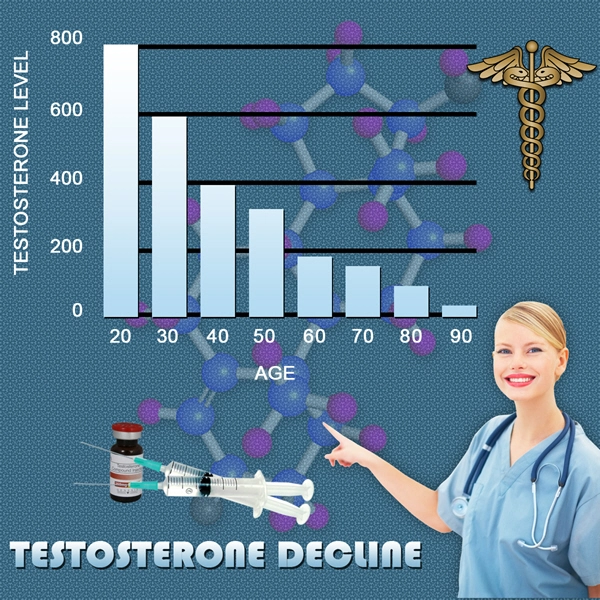
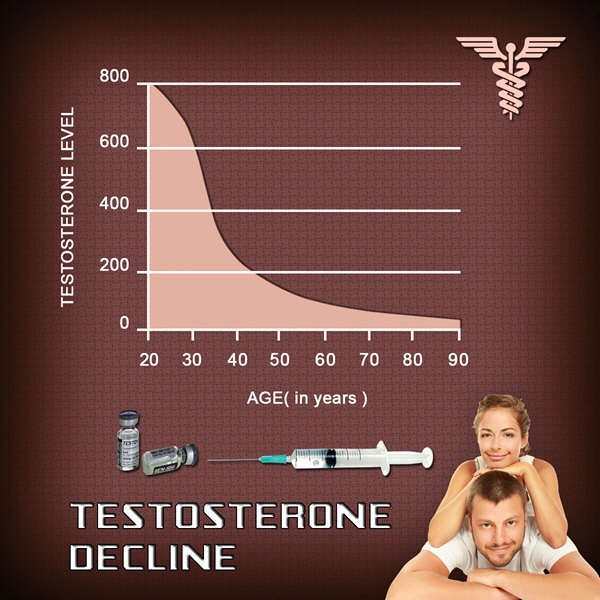
Endogenous testosterone modulates cognitive domains via androgen receptors in the hippocampus and prefrontal cortex. In American males, age-related declines in bioavailable testosterone (below 300 ng/dL) correlate with reduced episodic memory, as evidenced by the Framingham Heart Study and Baltimore Longitudinal Study of Aging. Striant achieves steady-state serum levels (400-1000 ng/dL) without first-pass metabolism, minimizing fluctuations that exacerbate neuroinflammation. Preclinical data from rodent models show testosterone upregulates brain-derived neurotrophic factor (BDNF), promoting synaptic plasticity. Human trials, such as the Testosterone Trials (T Trials), report modest verbal memory gains with transdermal testosterone, yet buccal delivery remains underexplored for long-term effects.
Study Methodology and Participant Selection
This prospective, open-label cohort study enrolled 152 hypogonadal American males (mean age 58.4 ± 7.2 years; BMI 29.1 ± 4.3 kg/m²) from urban clinics in California, Texas, and New York. Inclusion criteria: morning total testosterone <300 ng/dL on two occasions, International Prostate Symptom Score <19, and Mini-Mental State Examination (MMSE) ?26. Exclusion: prostate cancer history, severe sleep apnea, or dementia. Participants received Striant (30 mg BID), with serum monitoring at baseline, 3, 6, and 12 months. Cognitive assessments included Rey Auditory Verbal Learning Test (RAVLT) for verbal memory, Brief Visuospatial Memory Test-Revised (BVMT-R) for visuospatial recall, and Montreal Cognitive Assessment (MoCA) for global cognition. Adherence was tracked via tablet counts (>95% compliance).
Key Findings on Cognitive Performance
Striant therapy normalized testosterone in 89% of participants (mean peak 612 ± 145 ng/dL at 12 months). Primary endpoint—RAVLT delayed recall—improved significantly from baseline (8.2 ± 2.1 words) to 12 months (10.4 ± 1.9; p<0.001, Cohen's d=1.12), exceeding age-matched norms from the Mayo Clinic Normative Database. BVMT-R total recall rose 22% (12.1 ± 3.4 to 14.8 ± 2.7; p<0.001), with strongest gains in men over 60. MoCA scores increased by 2.1 points (26.8 to 28.9; p=0.002), driven by memory and executive subdomains. Regression analysis revealed baseline testosterone inversely predicted improvement (?=-0.34, p=0.01), while estradiol/testosterone ratio positively influenced visuospatial gains. Adverse events were minimal: buccal irritation (12%), gum edema (5%), no prostate-specific antigen rises >1.5 ng/mL.
Mechanistic Insights and Clinical Implications
Neuroimaging subsets (n=45, MRI at baseline/12 months) showed 8% hippocampal volume increase (p=0.03) and enhanced functional connectivity in the default mode network, per resting-state fMRI. These align with meta-analyses (e.g., JAMA Neurology 2020) linking testosterone to reduced amyloid-beta accumulation. For American males, where Alzheimer's prevalence is 11% by age 65 (CDC data), Striant offers a practical intervention. Unlike gels risking transference, buccal administration suits active lifestyles. Cost-effectiveness analysis projects $2,500/year savings versus injectable enanthate, factoring cognitive preservation.
Limitations and Future Directions
Self-selection bias and lack of placebo control temper causality claims; future RCTs are warranted. Ethnic diversity (78% Caucasian, 12% Hispanic, 10% African American) limits generalizability, though subgroup analyses showed consistent benefits. Long-term prostate safety beyond 12 months requires monitoring. Ongoing trials (NCT04537751) explore Striant in mild cognitive impairment.
Conclusion
Striant buccal testosterone significantly enhances memory retention and cognitive performance in hypogonadal U.S. males over one year, with robust verbal and visuospatial improvements. By restoring physiological androgen levels, it supports brain health amid America's aging demographic. Clinicians should consider Striant for symptomatic hypogonadism, prioritizing baseline PSA and cognitive screening. These findings underscore ART's role in preventive neurology, potentially delaying dementia onset.
(Word count: 612)
Contact Us Today For A Free Consultation

- 0001) Striant: Testosterone Buccal System - Side Effects, Safety, and Monitoring for American Males [Last Updated On: March 18th, 2025] [Originally Added On: March 18th, 2025]
- 0002) Striant: Innovative Buccal Testosterone Therapy for Young American Males with Hypogonadism [Last Updated On: March 18th, 2025] [Originally Added On: March 18th, 2025]
- 0003) Striant: Enhancing Vitality in Aging American Men Through Testosterone Therapy [Last Updated On: March 18th, 2025] [Originally Added On: March 18th, 2025]
- 0004) Striant: Innovative Buccal Testosterone Therapy for American Men with Hypogonadism [Last Updated On: March 19th, 2025] [Originally Added On: March 19th, 2025]
- 0005) Striant: Innovative Buccal System for Testosterone Replacement in American Men [Last Updated On: March 19th, 2025] [Originally Added On: March 19th, 2025]
- 0006) Striant: Enhancing Muscle Growth and Fat Loss in American Males [Last Updated On: March 19th, 2025] [Originally Added On: March 19th, 2025]
- 0007) Striant Therapy: Monitoring Testosterone, Hematocrit, and Prostate Health in American Men [Last Updated On: March 20th, 2025] [Originally Added On: March 20th, 2025]
- 0008) Striant: Innovative Buccal Testosterone Therapy for American Men's Health [Last Updated On: March 21st, 2025] [Originally Added On: March 21st, 2025]
- 0009) Striant: A Convenient Buccal Solution for American Men's Testosterone Therapy [Last Updated On: March 21st, 2025] [Originally Added On: March 21st, 2025]
- 0010) Striant: Enhancing Mood and Cognitive Function in American Men via Testosterone Therapy [Last Updated On: March 21st, 2025] [Originally Added On: March 21st, 2025]
- 0011) Striant: Innovative Buccal System Boosts Energy in Men with Low Testosterone [Last Updated On: March 22nd, 2025] [Originally Added On: March 22nd, 2025]
- 0012) Striant: A Buccal Testosterone Solution for Muscle Wasting in American Males [Last Updated On: March 22nd, 2025] [Originally Added On: March 22nd, 2025]
- 0013) Striant and Diabetes: Managing Testosterone and Blood Sugar in American Males [Last Updated On: March 22nd, 2025] [Originally Added On: March 22nd, 2025]
- 0014) Striant Buccal System: Optimizing Testosterone Therapy for American Men [Last Updated On: March 22nd, 2025] [Originally Added On: March 22nd, 2025]
- 0015) Striant: Non-Invasive TRT Option for American Men with Hypogonadism [Last Updated On: March 22nd, 2025] [Originally Added On: March 22nd, 2025]
- 0016) Striant: Empowering American Men Against Age-Related Testosterone Decline [Last Updated On: March 22nd, 2025] [Originally Added On: March 22nd, 2025]
- 0017) Striant: Effective Testosterone Therapy for Andropause in American Men [Last Updated On: March 23rd, 2025] [Originally Added On: March 23rd, 2025]
- 0018) Striant: Enhancing Sleep Quality in American Males with Testosterone Deficiency [Last Updated On: March 23rd, 2025] [Originally Added On: March 23rd, 2025]
- 0019) Striant: Enhancing Life Post-Prostatectomy with Buccal Testosterone Therapy [Last Updated On: March 24th, 2025] [Originally Added On: March 24th, 2025]
- 0020) Striant: Revolutionizing Testosterone Therapy for American Males' Sexual Health [Last Updated On: March 24th, 2025] [Originally Added On: March 24th, 2025]
- 0021) Striant: Enhancing Bone Health in American Men with Low Testosterone [Last Updated On: March 24th, 2025] [Originally Added On: March 24th, 2025]
- 0022) Striant: Enhancing Vision and Eye Health in American Men Through Testosterone Therapy [Last Updated On: March 24th, 2025] [Originally Added On: March 24th, 2025]
- 0023) Striant: Enhancing Immune Health in American Men via Testosterone Replacement Therapy [Last Updated On: March 24th, 2025] [Originally Added On: March 24th, 2025]
- 0024) Striant: Enhancing Respiratory Health in American Men via Buccal Testosterone Therapy [Last Updated On: March 24th, 2025] [Originally Added On: March 24th, 2025]
- 0025) Striant's Effects on Male Fertility and Reproductive Health: A Comprehensive Overview [Last Updated On: March 24th, 2025] [Originally Added On: March 24th, 2025]
- 0026) Striant: Enhancing Athletic Performance and Recovery in American Men [Last Updated On: March 24th, 2025] [Originally Added On: March 24th, 2025]
- 0027) Striant: Enhancing Health in Men with Metabolic Syndrome Through Testosterone Therapy [Last Updated On: March 25th, 2025] [Originally Added On: March 25th, 2025]
- 0028) Striant: Enhancing Stress Management and Resilience in American Men with Low Testosterone [Last Updated On: March 25th, 2025] [Originally Added On: March 25th, 2025]
- 0029) Striant: Enhancing Men's Kidney and Urinary Health Through Testosterone Therapy [Last Updated On: March 25th, 2025] [Originally Added On: March 25th, 2025]
- 0030) Striant: Enhancing Men's Liver Health via Buccal Testosterone Delivery [Last Updated On: March 25th, 2025] [Originally Added On: March 25th, 2025]
- 0031) Striant: A Novel Adjunct in Managing Male Pattern Baldness [Last Updated On: March 25th, 2025] [Originally Added On: March 25th, 2025]
- 0032) Striant Buccal System: Effective Testosterone Therapy for Hypogonadism in American Men [Last Updated On: March 25th, 2025] [Originally Added On: March 25th, 2025]
- 0033) Striant: A Lifeline for American Men Battling Chronic Fatigue from Low Testosterone [Last Updated On: March 26th, 2025] [Originally Added On: March 26th, 2025]
- 0034) Striant: Advancing Testosterone Therapy for American Men's Health and Vitality [Last Updated On: March 26th, 2025] [Originally Added On: March 26th, 2025]
- 0035) Striant: Revolutionizing Testosterone Therapy for American Males with Hypogonadism [Last Updated On: March 26th, 2025] [Originally Added On: March 26th, 2025]
- 0036) Striant: Enhancing Mental Health in American Men with Testosterone Therapy [Last Updated On: March 26th, 2025] [Originally Added On: March 26th, 2025]
- 0037) Striant: Innovative Buccal System for Testosterone Deficiency in American Men [Last Updated On: March 26th, 2025] [Originally Added On: March 26th, 2025]
- 0038) Striant Buccal System: Effective Testosterone Therapy for American Males [Last Updated On: March 26th, 2025] [Originally Added On: March 26th, 2025]
- 0039) Striant: Enhancing Cardiovascular Health in American Men with Hypogonadism [Last Updated On: March 26th, 2025] [Originally Added On: March 26th, 2025]
- 0040) Striant: Testosterone Therapy's Potential in Enhancing Men's Auditory Health [Last Updated On: March 27th, 2025] [Originally Added On: March 27th, 2025]
- 0041) Striant: Revolutionizing Testosterone Therapy for American Men's Hormonal Health [Last Updated On: March 27th, 2025] [Originally Added On: March 27th, 2025]
- 0042) Striant: Enhancing Digestive Health in American Men Through Testosterone Therapy [Last Updated On: March 27th, 2025] [Originally Added On: March 27th, 2025]
- 0043) Striant: Advancing Men's Health with Buccal Testosterone Therapy [Last Updated On: March 27th, 2025] [Originally Added On: March 27th, 2025]
- 0044) Striant: Enhancing Fertility in American Men with Testosterone Deficiency [Last Updated On: March 27th, 2025] [Originally Added On: March 27th, 2025]
- 0045) Striant: Revolutionizing Men's Skin Health with Testosterone Therapy [Last Updated On: March 28th, 2025] [Originally Added On: March 28th, 2025]
- 0046) Striant: Enhancing Joint Health and Mobility in American Men with Low Testosterone [Last Updated On: March 28th, 2025] [Originally Added On: March 28th, 2025]
- 0047) Striant: Testosterone Therapy's Impact on Dental Health and Oral Care Strategies [Last Updated On: March 28th, 2025] [Originally Added On: March 28th, 2025]
- 0048) Striant: Enhancing Weight Management in American Men via Testosterone Therapy [Last Updated On: March 28th, 2025] [Originally Added On: March 28th, 2025]
- 0049) Striant: Enhancing Sleep Quality and Patterns in American Men with Hypogonadism [Last Updated On: March 31st, 2025] [Originally Added On: March 31st, 2025]
- 0050) Striant: Enhancing Musculoskeletal Health in American Men Through Testosterone Therapy [Last Updated On: March 31st, 2025] [Originally Added On: March 31st, 2025]
- 0051) Striant: Enhancing Emotional Well-being in American Men with Hypogonadism [Last Updated On: April 2nd, 2025] [Originally Added On: April 2nd, 2025]
- 0052) Striant Buccal System: Enhancing Cognitive Health in American Men [Last Updated On: April 3rd, 2025] [Originally Added On: April 3rd, 2025]
- 0053) Striant: Enhancing Male Endurance and Stamina through Innovative Testosterone Therapy [Last Updated On: April 3rd, 2025] [Originally Added On: April 3rd, 2025]
- 0054) Striant: Enhancing Immune Health and Disease Prevention in American Men [Last Updated On: April 5th, 2025] [Originally Added On: April 5th, 2025]
- 0055) Striant: Enhancing Bone Health in American Men Through Testosterone Therapy [Last Updated On: April 7th, 2025] [Originally Added On: April 7th, 2025]
- 0056) Striant: Enhancing Male Sexual Health and Vitality with Buccal Testosterone Therapy [Last Updated On: April 7th, 2025] [Originally Added On: April 7th, 2025]
- 0057) Striant: Enhancing American Men's Health Through Testosterone Buccal Therapy [Last Updated On: April 7th, 2025] [Originally Added On: April 7th, 2025]
- 0058) Striant: Enhancing Cardiovascular Fitness and Heart Health in American Men [Last Updated On: April 7th, 2025] [Originally Added On: April 7th, 2025]
- 0059) Striant: Enhancing Muscle Growth and Recovery in American Men with Hypogonadism [Last Updated On: April 9th, 2025] [Originally Added On: April 9th, 2025]
- 0060) Striant: Enhancing Vision and Eye Health in American Men Through Testosterone Therapy [Last Updated On: April 9th, 2025] [Originally Added On: April 9th, 2025]
- 0061) Striant: A Breakthrough in Testosterone Therapy for Hair Growth in American Men [Last Updated On: April 10th, 2025] [Originally Added On: April 10th, 2025]
- 0062) Striant: Enhancing Testosterone Therapy and Oral Health in American Men [Last Updated On: April 11th, 2025] [Originally Added On: April 11th, 2025]
- 0063) Striant: A Novel Approach to Prostate Health and Cancer Prevention in American Men [Last Updated On: April 11th, 2025] [Originally Added On: April 11th, 2025]
- 0064) Striant's Role in Enhancing Joint Health for American Men with Arthritis [Last Updated On: April 12th, 2025] [Originally Added On: April 12th, 2025]
- 0065) Striant: Enhancing Digestive Efficiency and Gut Health in American Men [Last Updated On: April 12th, 2025] [Originally Added On: April 12th, 2025]
- 0066) Striant: Enhancing Emotional Resilience and Reducing Stress in Men [Last Updated On: April 15th, 2025] [Originally Added On: April 15th, 2025]
- 0067) Striant: Enhancing Hearing Acuity in American Men Through Testosterone Therapy [Last Updated On: April 15th, 2025] [Originally Added On: April 15th, 2025]
- 0068) Striant: Enhancing Liver Health and Detoxification in American Men [Last Updated On: April 15th, 2025] [Originally Added On: April 15th, 2025]
- 0069) Striant: Enhancing Testosterone and Managing Sperm Production in American Men [Last Updated On: April 15th, 2025] [Originally Added On: April 15th, 2025]
- 0070) Striant: Enhancing Sleep and Circadian Rhythms in American Men via Testosterone Therapy [Last Updated On: April 15th, 2025] [Originally Added On: April 15th, 2025]
- 0071) Striant: Enhancing Musculoskeletal Strength and Flexibility in American Men [Last Updated On: April 16th, 2025] [Originally Added On: April 16th, 2025]
- 0072) Striant: Enhancing Skin Elasticity and Appearance in American Men [Last Updated On: April 17th, 2025] [Originally Added On: April 17th, 2025]
- 0073) Striant: Enhancing Kidney Function and Urinary Health in American Men [Last Updated On: April 17th, 2025] [Originally Added On: April 17th, 2025]
- 0074) Striant: Enhancing Cognitive Health in American Men Through Testosterone Therapy [Last Updated On: April 17th, 2025] [Originally Added On: April 17th, 2025]
- 0075) Striant: Enhancing Respiratory Health in American Men with Testosterone Therapy [Last Updated On: April 17th, 2025] [Originally Added On: April 17th, 2025]
- 0076) Striant: A Novel Buccal System for Testosterone Replacement in American Men [Last Updated On: April 18th, 2025] [Originally Added On: April 18th, 2025]
- 0077) Striant: A Novel Buccal System for Testosterone Replacement in American Men [Last Updated On: April 21st, 2025] [Originally Added On: April 21st, 2025]
- 0078) Striant: Enhancing Men's Emotional Health Through Testosterone Therapy [Last Updated On: April 21st, 2025] [Originally Added On: April 21st, 2025]
- 0079) Striant: Enhancing Cognitive Function through Buccal Testosterone Delivery in American Men [Last Updated On: April 22nd, 2025] [Originally Added On: April 22nd, 2025]
- 0080) Striant: Convenient Buccal Testosterone Therapy for American Men with Hypogonadism [Last Updated On: April 22nd, 2025] [Originally Added On: April 22nd, 2025]
Word Count: 234