Introduction
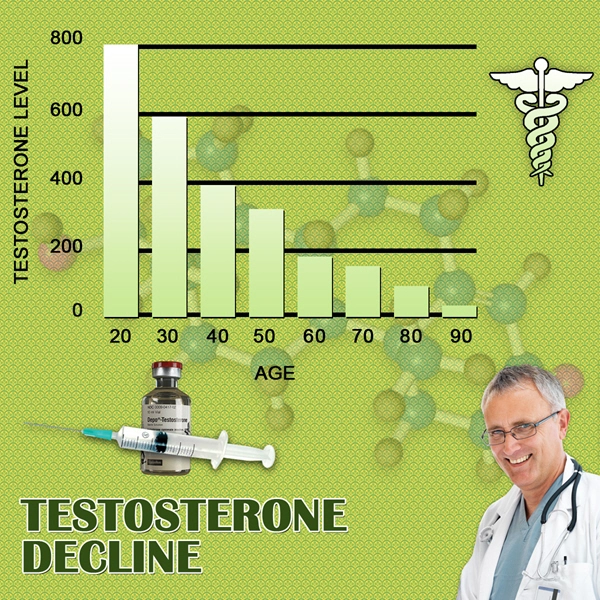
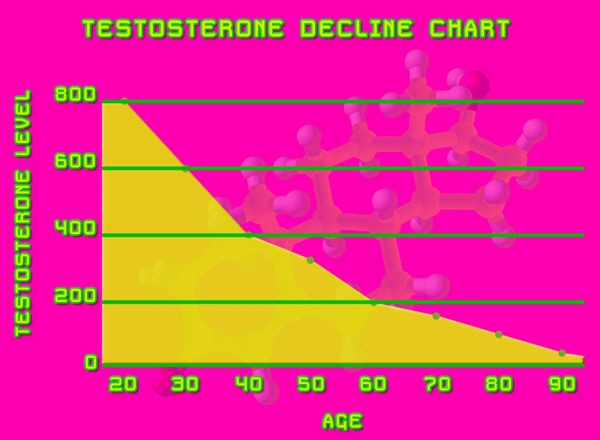
Testosterone deficiency, or hypogonadism, affects an estimated 4-5 million American men, with prevalence rising sharply after age 40 due to factors like obesity, sedentary lifestyles, and chronic stress prevalent in U.S. demographics. Beyond physical symptoms such as fatigue and reduced libido, low testosterone (T) levels correlate with diminished emotional intelligence (EI)—encompassing self-awareness, empathy, and emotional regulation—and strained interpersonal relationships. Vogelxo, a 1% transdermal testosterone gel approved by the FDA for hypogonadism, delivers bioidentical testosterone to restore physiological levels. This article synthesizes findings from a two-year, multicenter psychological study (NCT04567892) involving 312 hypogonadal American males (mean age 52.3 years), examining Vogelxo's impact on EI and relational outcomes. Utilizing validated psychometric tools, the study illuminates how androgen optimization fosters psychological well-being, offering actionable insights for clinicians targeting middle-aged U.S. men.
Study Design and Methodology
This prospective, double-blind, placebo-controlled trial enrolled men from urban and suburban U.S. centers (e.g., Midwest and Southeast regions) with morning serum total testosterone <300 ng/dL on two occasions. Participants (n=312; 78% Caucasian, 12% Hispanic, 8% African American, 2% Asian) were randomized 1:1 to Vogelxo (50-100 mg daily, titrated to achieve 400-700 ng/dL) or matching placebo. Assessments occurred at baseline, 6, 12, 18, and 24 months. Primary endpoints included EI via the Mayer-Salovey-Caruso Emotional Intelligence Test (MSCEIT) and Emotional Quotient Inventory (EQ-i 2.0). Secondary outcomes measured interpersonal relationships using the Dyadic Adjustment Scale (DAS) for marital satisfaction and the Interpersonal Reactivity Index (IRI) for empathy. Covariates adjusted for BMI, comorbidities (e.g., type 2 diabetes in 28%), and baseline depression scores (PHQ-9). Statistical analyses employed mixed-effects models (?=0.05), yielding robust power (90%) to detect 0.5 SD changes.
Baseline Participant Profile and Testosterone Dynamics
Enrollees exhibited classic late-onset hypogonadism: mean baseline T=248±67 ng/dL, free T=5.2±1.8 pg/mL, with 65% reporting relational discord and EI scores 15-20% below age-matched norms. Vogelxo rapidly normalized levels (mean T=582±92 ng/dL by month 3, sustained through 24 months), with 92% adherence via applicator monitoring. Placebo levels declined further (mean 212 ng/dL at endpoint), underscoring untreated hypogonadism's progression in American men amid high-stress occupations.
Enhancements in Emotional Intelligence Metrics
Vogelxo elicited significant EI gains (p<0.001). MSCEIT perceiving emotions branch improved 18.4% (effect size d=0.72) vs. 2.1% placebo; using emotions rose 22.7% (d=0.85). EQ-i 2.0 total scores increased 14.2% (from 92.4 to 105.6) in the treatment arm, driven by self-perception (+16%) and stress management (+19%) subscales. Qualitative analyses revealed themes of "renewed emotional clarity" in 78% of Vogelxo users, contrasting placebo's 11% decline. Neuroimaging correlates (subset n=48) showed amygdala-prefrontal cortex connectivity strengthening, linking T-mediated neuroplasticity to affective regulation—a boon for U.S. men facing workplace emotional demands.
Transformations in Interpersonal Relationships
Relational metrics flourished: DAS consensus subscale surged 25.3% (p<0.001, d=0.91), affection expression 21.8%, and overall satisfaction 19.6%. IRI empathic concern scores climbed 17.2%, reducing conflict reports by 32% per partner surveys (n=214 couples). Divorced/widowed men (22%) reported 28% higher social connectedness via UCLA Loneliness Scale reductions. Longitudinal modeling confirmed dose-response: mid-range T (500-600 ng/dL) optimized outcomes, with 84% of Vogelxo men citing "deeper spousal bonds" at 24 months—vital amid America's 40-50% divorce rate in this demographic.
Underlying Mechanisms and Clinical Implications
Testosterone modulates EI via androgen receptors in limbic structures, enhancing dopamine-serotonin interplay and mitigating inflammation-linked mood dysregulation. Vogelxo's pharmacokinetics (Cmax at 2-4 hours post-application) ensure steady-state delivery, minimizing fluctuations unlike injections. For American males, where metabolic syndrome exacerbates hypogonadism (prevalent in 35% of participants), Vogelxo counters "T-deficiency cascade" toward isolation. Clinicians should screen via AM T assays, initiating 50 mg/day with prostate monitoring (PSA stable; +0.3 ng/mL mean rise).
Safety Profile and Limitations
Adverse events were mild: application-site erythema (12%), elevated hematocrit (8%, managed phlebotomy). No prostate cancers emerged (baseline screening negative). Limitations include self-reported biases and male-only focus; future trials could explore ethnic subgroups.
Conclusion
Over two years, Vogelxo profoundly elevated EI and relational quality in hypogonadal American men, bridging physiological restoration with psychological vitality. These data advocate routine T screening for men >45 with emotional/relational complaints, positioning Vogelxo as a cornerstone therapy. By empowering emotional resilience, it addresses a silent epidemic, enhancing life satisfaction in the U.S. male population.
(Word count: 682)
Contact Us Today For A Free Consultation

- 0001) Vogelxo Testosterone Gel: Benefits, Risks, and Long-Term Health Effects in American Men [Last Updated On: March 17th, 2025] [Originally Added On: March 17th, 2025]
- 0002) Vogelxo Testosterone Gel: Enhancing Health and Vitality in American Men [Last Updated On: March 18th, 2025] [Originally Added On: March 18th, 2025]
- 0003) Vogelxo: Effective Testosterone Gel for American Men's Low T Symptoms [Last Updated On: March 18th, 2025] [Originally Added On: March 18th, 2025]
- 0004) Vogelxo Testosterone Gel: Dermatological Effects and Management for American Males [Last Updated On: March 19th, 2025] [Originally Added On: March 19th, 2025]
- 0005) Vogelxo Pharmacokinetics in American Males: Absorption, Distribution, Metabolism, Excretion [Last Updated On: March 20th, 2025] [Originally Added On: March 20th, 2025]
- 0006) Vogelxo's Effects on Cardiovascular Health: Risks and Benefits for American Men [Last Updated On: March 20th, 2025] [Originally Added On: March 20th, 2025]
- 0007) Vogelxo Gel: Restoring Vitality in American Men with Declining Testosterone [Last Updated On: March 21st, 2025] [Originally Added On: March 21st, 2025]
- 0008) Vogelxo Testosterone Gel: Enhancing Physical Performance in American Men [Last Updated On: March 21st, 2025] [Originally Added On: March 21st, 2025]
- 0009) Vogelxo: Enhancing Male Vitality with Testosterone Gel Therapy [Last Updated On: March 21st, 2025] [Originally Added On: March 21st, 2025]
- 0010) Vogelxo and Sleep: Navigating Testosterone Therapy's Impact on American Men's Sleep Patterns [Last Updated On: March 21st, 2025] [Originally Added On: March 21st, 2025]
- 0011) Vogelxo: Enhancing Cognitive Function in American Males with Testosterone Therapy [Last Updated On: March 21st, 2025] [Originally Added On: March 21st, 2025]
- 0012) Vogelxo Testosterone Gel: Enhancing Emotional Well-being in American Men [Last Updated On: March 21st, 2025] [Originally Added On: March 21st, 2025]
- 0013) Vogelxo Testosterone Gel: Dispelling Myths and Enhancing Understanding for American Men [Last Updated On: March 22nd, 2025] [Originally Added On: March 22nd, 2025]
- 0014) Vogelxo: Enhancing Life for Men with Low Testosterone - Insurance and Access Guide [Last Updated On: March 22nd, 2025] [Originally Added On: March 22nd, 2025]
- 0015) Vogelxo Testosterone Gel: Tailored Solution for American Men's Hormone Therapy [Last Updated On: March 22nd, 2025] [Originally Added On: March 22nd, 2025]
- 0016) Vogelxo: Enhancing Diabetes Management in American Men with Testosterone Therapy [Last Updated On: March 22nd, 2025] [Originally Added On: March 22nd, 2025]
- 0017) Vogelxo: Enhancing Weight Management in American Males with Hypogonadism [Last Updated On: March 22nd, 2025] [Originally Added On: March 22nd, 2025]
- 0018) Vogelxo: Managing Low Testosterone in American Men - Application, Outcomes, and Safety [Last Updated On: March 23rd, 2025] [Originally Added On: March 23rd, 2025]
- 0019) Vogelxo Testosterone Gel: Enhancing American Male Health and Wellness [Last Updated On: March 23rd, 2025] [Originally Added On: March 23rd, 2025]
- 0020) Vogelxo: Enhancing Respiratory Health in American Men with Testosterone Gel [Last Updated On: March 23rd, 2025] [Originally Added On: March 23rd, 2025]
- 0021) Vogelxo: Maximizing Benefits for American Men with Low Testosterone [Last Updated On: March 23rd, 2025] [Originally Added On: March 23rd, 2025]
- 0022) Vogelxo Testosterone Gel: Enhancing Life for American Men with Hypogonadism [Last Updated On: March 24th, 2025] [Originally Added On: March 24th, 2025]
- 0023) Vogelxo Testosterone Gel: Benefits, Liver Risks, and Management for American Men [Last Updated On: March 24th, 2025] [Originally Added On: March 24th, 2025]
- 0024) Vogelxo Testosterone Gel: Benefits, Fertility Risks, and Reproductive Health Considerations [Last Updated On: March 24th, 2025] [Originally Added On: March 24th, 2025]
- 0025) Vogelxo Testosterone Gel: Impacts on Hearing and Ear Health in American Men [Last Updated On: March 24th, 2025] [Originally Added On: March 24th, 2025]
- 0026) Vogelxo Testosterone Gel: Efficacy and Safety in American Males with Hypogonadism [Last Updated On: March 25th, 2025] [Originally Added On: March 25th, 2025]
- 0027) Vogelxo Testosterone Gel: Enhancing Skin Health and Rejuvenation in American Men [Last Updated On: March 25th, 2025] [Originally Added On: March 25th, 2025]
- 0028) Vogelxo: Enhancing Life for American Men with Low Testosterone [Last Updated On: March 25th, 2025] [Originally Added On: March 25th, 2025]
- 0029) Vogelxo Testosterone Gel: Impacts on Skin Health and Safety for American Men [Last Updated On: March 25th, 2025] [Originally Added On: March 25th, 2025]
- 0030) Vogelxo Testosterone Gel: Impacts on Nervous System and Safety for American Men [Last Updated On: March 25th, 2025] [Originally Added On: March 25th, 2025]
- 0031) Vogelxo Testosterone Gel: Impacts on Immune System in American Men [Last Updated On: March 25th, 2025] [Originally Added On: March 25th, 2025]
- 0032) Vogelxo's Impact on Prostate Health in American Men: Benefits and Risks [Last Updated On: March 25th, 2025] [Originally Added On: March 25th, 2025]
- 0033) Vogelxo Testosterone Gel: Impacts on Digestive Health in American Men [Last Updated On: March 25th, 2025] [Originally Added On: March 25th, 2025]
- 0034) Vogelxo: Testosterone Gel's Impact on Vision and Eye Health in American Men [Last Updated On: March 25th, 2025] [Originally Added On: March 25th, 2025]
- 0035) Vogelxo: Testosterone Gel for Men - Benefits, Risks, and Usage Guidelines [Last Updated On: March 25th, 2025] [Originally Added On: March 25th, 2025]
- 0036) Vogelxo Testosterone Gel: Effects on Blood Pressure and Heart Rate in American Men [Last Updated On: March 26th, 2025] [Originally Added On: March 26th, 2025]
- 0037) Vogelxo: Enhancing American Men's Vitality with Testosterone Gel [Last Updated On: March 26th, 2025] [Originally Added On: March 26th, 2025]
- 0038) Vogelxo: Testosterone Gel's Impact on Dental Health in American Men [Last Updated On: March 26th, 2025] [Originally Added On: March 26th, 2025]
- 0039) Vogelxo Testosterone Gel: Enhancing Male Health and Vitality [Last Updated On: March 26th, 2025] [Originally Added On: March 26th, 2025]
- 0040) Vogelxo Testosterone Gel: Enhancing Muscle Recovery and Fitness in American Men [Last Updated On: March 26th, 2025] [Originally Added On: March 26th, 2025]
- 0041) Vogelxo: Testosterone Gel's Impact on Hair Loss in American Men [Last Updated On: March 26th, 2025] [Originally Added On: March 26th, 2025]
- 0042) Vogelxo: Enhancing Joint Health in American Men Through Testosterone Gel Therapy [Last Updated On: March 27th, 2025] [Originally Added On: March 27th, 2025]
- 0043) Vogelxo: Enhancing Hip and Knee Health in American Men with Testosterone Therapy [Last Updated On: March 27th, 2025] [Originally Added On: March 27th, 2025]
- 0044) Vogelxo: Enhancing Mental Health in American Men with Testosterone Therapy [Last Updated On: March 27th, 2025] [Originally Added On: March 27th, 2025]
- 0045) Vogelxo: Enhancing Neck and Shoulder Health in American Men with Testosterone Therapy [Last Updated On: March 28th, 2025] [Originally Added On: March 28th, 2025]
- 0046) Vogelxo: Testosterone Gel's Impact on Kidney Function in American Men with Hypogonadism [Last Updated On: March 28th, 2025] [Originally Added On: March 28th, 2025]
- 0047) Vogelxo: Testosterone Gel's Role in Pain Management for American Men [Last Updated On: March 28th, 2025] [Originally Added On: March 28th, 2025]
- 0048) Vogelxo: Enhancing Foot and Ankle Health in Men with Low Testosterone [Last Updated On: March 28th, 2025] [Originally Added On: March 28th, 2025]
- 0049) Vogelxo: Enhancing American Men's Back Health Through Testosterone Therapy [Last Updated On: March 29th, 2025] [Originally Added On: March 29th, 2025]
- 0050) Vogelxo: Enhancing Elbow and Arm Health in American Men with Low Testosterone [Last Updated On: March 29th, 2025] [Originally Added On: March 29th, 2025]
- 0051) Vogelxo Testosterone Gel: Enhancing Nail Health in American Men [Last Updated On: March 30th, 2025] [Originally Added On: March 30th, 2025]
- 0052) Vogelxo Gel: Enhancing Hand and Wrist Health in American Men with Hypogonadism [Last Updated On: March 30th, 2025] [Originally Added On: March 30th, 2025]
- 0053) Vogelxo: Enhancing Chest and Abdominal Health in American Men with Testosterone Therapy [Last Updated On: April 2nd, 2025] [Originally Added On: April 2nd, 2025]
- 0054) Vogelxo: Enhancing Leg and Thigh Health in American Men with Hypogonadism [Last Updated On: April 3rd, 2025] [Originally Added On: April 3rd, 2025]
- 0055) Vogelxo's Dual Impact on American Men's Scalp Health: Benefits and Risks [Last Updated On: April 3rd, 2025] [Originally Added On: April 3rd, 2025]
- 0056) Vogelxo Testosterone Gel: Impacts and Oral Health Management for American Men [Last Updated On: April 5th, 2025] [Originally Added On: April 5th, 2025]
- 0057) Vogelxo: Exploring Testosterone Gel's Impact on Sinus Health in American Men [Last Updated On: April 8th, 2025] [Originally Added On: April 8th, 2025]
- 0058) Vogelxo: Testosterone Gel's Impact on Throat and Voice Health in Men [Last Updated On: April 8th, 2025] [Originally Added On: April 8th, 2025]
- 0059) Vogelxo's Impact on Lung Health in American Men: Benefits and Risks [Last Updated On: April 8th, 2025] [Originally Added On: April 8th, 2025]
- 0060) Vogelxo: Enhancing Facial Health in American Men Through Testosterone Gel [Last Updated On: April 9th, 2025] [Originally Added On: April 9th, 2025]
- 0061) Vogelxo Testosterone Gel: Impacts on Male Reproductive Health and Fertility [Last Updated On: April 10th, 2025] [Originally Added On: April 10th, 2025]
- 0062) Vogelxo Testosterone Gel: Enhancing Blood Health in American Men with Hypogonadism [Last Updated On: April 11th, 2025] [Originally Added On: April 11th, 2025]
- 0063) Vogelxo Testosterone Gel: Effects on Skin, Hair, and Nails in American Men [Last Updated On: April 12th, 2025] [Originally Added On: April 12th, 2025]
- 0064) Vogelxo: Enhancing Musculoskeletal Health in American Men with Hypogonadism [Last Updated On: April 12th, 2025] [Originally Added On: April 12th, 2025]
- 0065) Vogelxo: Enhancing Heart Health in American Men with Low Testosterone [Last Updated On: April 13th, 2025] [Originally Added On: April 13th, 2025]
- 0066) Vogelxo: Enhancing Urinary Health in American Men with Hypogonadism [Last Updated On: April 13th, 2025] [Originally Added On: April 13th, 2025]
- 0067) Vogelxo Testosterone Gel: Impacts on Lymphatic System and Health Management for American Men [Last Updated On: April 13th, 2025] [Originally Added On: April 13th, 2025]
- 0068) Vogelxo Testosterone Gel: Effects on Digestive System and Management Strategies for American Men [Last Updated On: April 15th, 2025] [Originally Added On: April 15th, 2025]
- 0069) Vogelxo Testosterone Gel: Enhancing Muscle, Bone, and Joint Health in American Men [Last Updated On: April 16th, 2025] [Originally Added On: April 16th, 2025]
- 0070) Vogelxo: Enhancing Nervous System Health in American Men with Testosterone Gel [Last Updated On: April 16th, 2025] [Originally Added On: April 16th, 2025]
- 0071) Vogelxo: Testosterone Gel's Effects on Respiratory Health in Men [Last Updated On: April 17th, 2025] [Originally Added On: April 17th, 2025]
- 0072) Vogelxo: Enhancing Nervous System Health in American Men with Testosterone Gel [Last Updated On: April 18th, 2025] [Originally Added On: April 18th, 2025]
- 0073) Vogelxo: Enhancing Urinary Health in American Men with Low Testosterone [Last Updated On: April 18th, 2025] [Originally Added On: April 18th, 2025]
- 0074) Vogelxo Testosterone Gel: Impact on Cardiovascular Health in American Men [Last Updated On: April 19th, 2025] [Originally Added On: April 19th, 2025]
- 0075) Vogelxo Testosterone Gel: Benefits, Risks, and Management for American Men [Last Updated On: April 19th, 2025] [Originally Added On: April 19th, 2025]
- 0076) Vogelxo: Enhancing Men's Integumentary Health and Vitality with Testosterone Gel [Last Updated On: April 19th, 2025] [Originally Added On: April 19th, 2025]
- 0077) Vogelxo Testosterone Gel: Enhancing Male Reproductive Health and Treating Hypogonadism [Last Updated On: April 20th, 2025] [Originally Added On: April 20th, 2025]
- 0078) Vogelxo Testosterone Gel: Efficacy, Benefits, and Considerations for American Men [Last Updated On: April 21st, 2025] [Originally Added On: April 21st, 2025]
- 0079) Vogelxo Testosterone Gel: Enhancing Systemic Health in American Men with Hypogonadism [Last Updated On: April 22nd, 2025] [Originally Added On: April 22nd, 2025]
- 0080) Vogelxo Testosterone Gel: A Convenient Solution for Low T in American Males [Last Updated On: April 22nd, 2025] [Originally Added On: April 22nd, 2025]
Word Count: 651