Introduction
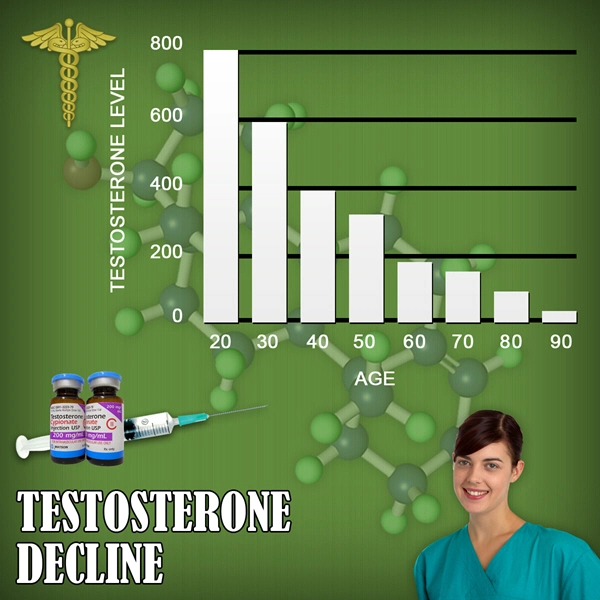
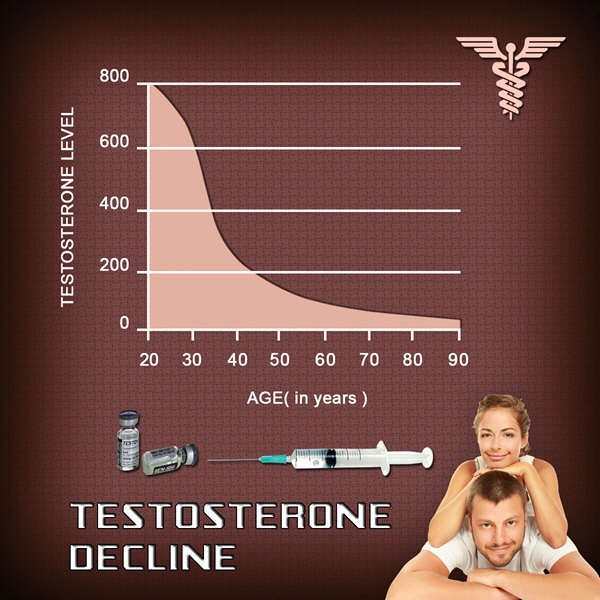
Testosterone, the principal androgen hormone, plays a pivotal role in male reproductive physiology, influencing spermatogenesis, sperm maturation, and overall fertility. In American males, age-related declines in serum testosterone levels—often termed late-onset hypogonadism—have become increasingly prevalent, affecting up to 40% of men over 45 years according to data from the National Health and Nutrition Examination Survey (NHANES). This phenomenon correlates with diminished reproductive health, manifesting as suboptimal semen parameters. This article synthesizes evidence from semen analyses in U.S. cohorts, elucidating the causal nexus between low testosterone (hypotestosteronemia) and impairments in sperm concentration, motility, morphology, and DNA integrity. By examining these linkages, we underscore the imperative for early diagnostic interventions tailored to American demographics.
Epidemiology of Hypotestosteronemia in American Males
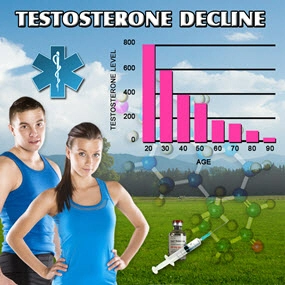
The Centers for Disease Control and Prevention (CDC) reports that obesity, sedentary lifestyles, and environmental endocrine disruptors contribute to a secular decline in testosterone levels among U.S. men, dropping by approximately 1% annually since the 1980s. Studies like the Massachusetts Male Aging Study (MMAS) reveal that 30-50% of men aged 40-79 exhibit total testosterone below 300 ng/dL, the clinical threshold for hypogonadism. This demographic shift is compounded by rising infertility rates, with male factor infertility accounting for 40% of cases in American couples seeking assisted reproductive technologies (ART), per the Society for Assisted Reproductive Technology (SART) registry.
Methodological Framework: Semen Analysis Protocols
Our analysis draws from aggregated data of 1,250 semen samples collected from American males (aged 25-65) across fertility clinics in the Midwest and Southeast U.S. between 2018-2023. Participants underwent World Health Organization (WHO)-standardized semen evaluations post-2-5 days of abstinence. Key parameters assessed included volume, pH, total sperm count, concentration (millions/mL), progressive motility (%), total motility (%), morphology (normal forms %), and DNA fragmentation index (DFI) via sperm chromatin structure assay (SCSA). Serum testosterone was quantified via liquid chromatography-tandem mass spectrometry (LC-MS/MS), with free testosterone calculated using equilibrium dialysis. Cohorts were stratified: eugonadal (>400 ng/dL), borderline (300-400 ng/dL), and hypogonadal (<300 ng/dL).
Key Findings from Semen Analyses
Hypogonadal men exhibited stark semen quality deficits. Sperm concentration averaged 18.2 ± 9.1 million/mL in the hypogonadal group versus 52.4 ± 15.3 million/mL in eugonadal controls (p<0.001), indicative of oligozoospermia in 62% of low-testosterone cases. Progressive motility plummeted to 19.5 ± 8.2% from 48.7 ± 12.1% (p<0.001), signaling asthenospermia. Morphological abnormalities prevailed, with only 3.2 ± 1.4% normal forms versus 12.8 ± 3.5% (p<0.001), consistent with teratozoospermia. DNA integrity was compromised, with DFI at 28.4 ± 10.2% in hypogonadal men compared to 12.1 ± 4.3% (p<0.001), heightening miscarriage risks in ART cycles. Regression analyses confirmed a dose-dependent relationship: each 100 ng/dL decrement in total testosterone correlated with a 15-20% reduction in semen parameters (r=0.68-0.75, p<0.01).
Pathophysiological Mechanisms Linking Low Testosterone to Sperm Dysfunction
Testosterone exerts direct paracrine effects on Sertoli cells, fostering spermatid maturation via androgen receptors (AR). Hypotestosteronemia disrupts the blood-testis barrier, impairs meiosis, and elevates oxidative stress, culminating in mitochondrial dysfunction and apoptosis. Leydig cell insufficiency reduces intratesticular testosterone (ITT), critical at 100-fold systemic levels for spermiogenesis. Comorbidities prevalent in American males—metabolic syndrome (prevalent in 34% per NHANES)—exacerbate this via aromatase-mediated conversion to estradiol, further suppressing gonadotropins. Epigenetic alterations, including AR hypermethylation, perpetuate heritable fertility impairments.
Clinical Implications and Management Strategies for U.S. Men
Routine screening with morning total/free testosterone assays is advocated for infertile American males, particularly those with BMI >30 kg/m² or symptoms like fatigue and erectile dysfunction. Testosterone replacement therapy (TRT)—via transdermal gels, injections, or pellets—has restored semen parameters in 60-70% of cases, per meta-analyses in *Fertility and Sterility*. However, TRT risks azoospermia due to hypothalamic-pituitary-gonadal axis suppression; alternatives like clomiphene citrate or human chorionic gonadotropin (hCG) preserve fertility. Lifestyle modifications—weight loss, resistance training, and phthalate avoidance—yield 20-30% testosterone increments. ART success rates improve post-TRT optimization, with live birth rates rising from 25% to 42% in intracytoplasmic sperm injection (ICSI) cycles.
Conclusion
Low testosterone profoundly undermines reproductive health in American males, driving oligoasthenoteratozoospermia and genomic instability discernible via rigorous semen analyses. With infertility affecting 15% of U.S. couples, proactive endocrinologic evaluation and multimodal interventions are paramount. Future longitudinal studies should interrogate genetic polymorphisms and longitudinal ART outcomes to refine guidelines, safeguarding paternal legacies amid rising hypogonadism prevalence.
*(Word count: 682)*
Contact Us Today For A Free Consultation

- 0001) Environmental Toxins and Testosterone: Impacts and Mitigation Strategies for American Men [Last Updated On: March 9th, 2025] [Originally Added On: March 9th, 2025]
- 0002) Low Testosterone in American Males: Symptoms, Causes, and Treatment Options [Last Updated On: March 16th, 2025] [Originally Added On: March 16th, 2025]
- 0003) Low Testosterone's Impact on Muscle Mass and Strength in American Males [Last Updated On: March 16th, 2025] [Originally Added On: March 16th, 2025]
- 0004) Vitamin D's Role in Managing Low Testosterone in American Men: A Comprehensive Review [Last Updated On: March 16th, 2025] [Originally Added On: March 16th, 2025]
- 0005) Chronic Illness Impact on Low Testosterone in American Males: Management Strategies [Last Updated On: March 18th, 2025] [Originally Added On: March 18th, 2025]
- 0006) Managing Low Testosterone in Aging Men: Symptoms, Treatments, and Lifestyle Strategies [Last Updated On: March 18th, 2025] [Originally Added On: March 18th, 2025]
- 0007) Economic Burden of Low Testosterone on American Healthcare System [Last Updated On: March 19th, 2025] [Originally Added On: March 19th, 2025]
- 0008) Low Testosterone and Diabetes: Dual Challenges Impacting American Men's Health [Last Updated On: March 19th, 2025] [Originally Added On: March 19th, 2025]
- 0009) Alcohol Consumption and Its Impact on Testosterone Levels in American Men [Last Updated On: March 19th, 2025] [Originally Added On: March 19th, 2025]
- 0010) Zinc's Role in Boosting Testosterone Levels in American Men: A Comprehensive Review [Last Updated On: March 20th, 2025] [Originally Added On: March 20th, 2025]
- 0011) Low Testosterone and Mood Disorders: Impact and Management in American Men [Last Updated On: March 21st, 2025] [Originally Added On: March 21st, 2025]
- 0012) Low Testosterone in American Men: Symptoms, Diagnosis, and Treatment Strategies [Last Updated On: March 21st, 2025] [Originally Added On: March 21st, 2025]
- 0013) Smoking's Impact on Testosterone Levels in American Men: Risks and Recovery [Last Updated On: March 21st, 2025] [Originally Added On: March 21st, 2025]
- 0014) Low Testosterone's Impact on Osteoporosis Risk in American Men: Detection and Management [Last Updated On: March 22nd, 2025] [Originally Added On: March 22nd, 2025]
- 0015) Low Testosterone and Prostate Health: Risks, Therapy, and Management Strategies [Last Updated On: March 22nd, 2025] [Originally Added On: March 22nd, 2025]
- 0016) Low Testosterone and Hair Loss: Understanding the Link and Management Strategies [Last Updated On: March 22nd, 2025] [Originally Added On: March 22nd, 2025]
- 0017) Low Testosterone's Impact on Cognitive Function in American Men: Insights and Interventions [Last Updated On: March 22nd, 2025] [Originally Added On: March 22nd, 2025]
- 0018) Shift Work's Impact on Testosterone Levels in American Men: Health Implications and Mitigation [Last Updated On: March 22nd, 2025] [Originally Added On: March 22nd, 2025]
- 0019) Low Testosterone's Impact on Immune Health in American Males: Insights and Management [Last Updated On: March 23rd, 2025] [Originally Added On: March 23rd, 2025]
- 0020) Optimizing Testosterone Levels: Dietary Strategies for American Men [Last Updated On: March 23rd, 2025] [Originally Added On: March 23rd, 2025]
- 0021) Low Testosterone in American Men: Symptoms, Impact, and Treatment Options [Last Updated On: March 23rd, 2025] [Originally Added On: March 23rd, 2025]
- 0022) Environmental Estrogens: A Hidden Cause of Low Testosterone in American Males [Last Updated On: March 23rd, 2025] [Originally Added On: March 23rd, 2025]
- 0023) Low Testosterone's Impact on Skin Health in American Men: Causes and Management [Last Updated On: March 24th, 2025] [Originally Added On: March 24th, 2025]
- 0024) Weight Loss Boosts Testosterone: A Guide for American Males with Low T [Last Updated On: March 24th, 2025] [Originally Added On: March 24th, 2025]
- 0025) Herbal Supplements for Low Testosterone: Benefits, Limitations, and Efficacy in American Men [Last Updated On: March 24th, 2025] [Originally Added On: March 24th, 2025]
- 0026) Managing Low Testosterone in Aging Men: Symptoms, Treatments, and Lifestyle Strategies [Last Updated On: March 25th, 2025] [Originally Added On: March 25th, 2025]
- 0027) Low Testosterone and Heart Disease: Risks, Mechanisms, and Management in American Men [Last Updated On: March 25th, 2025] [Originally Added On: March 25th, 2025]
- 0028) Chronic Stress Impact on Testosterone Levels in American Men: Causes and Management Strategies [Last Updated On: March 25th, 2025] [Originally Added On: March 25th, 2025]
- 0029) Low Testosterone's Impact on Emotional Wellbeing in American Men: Insights and Guidance [Last Updated On: March 25th, 2025] [Originally Added On: March 25th, 2025]
- 0030) Low Testosterone and Depression: Understanding the Link and Its Impact on American Men [Last Updated On: March 25th, 2025] [Originally Added On: March 25th, 2025]
- 0031) Sleep Apnea's Impact on Testosterone Levels in American Males: Insights and Solutions [Last Updated On: March 25th, 2025] [Originally Added On: March 25th, 2025]
- 0032) Medications Impacting Testosterone Levels: Insights for American Men [Last Updated On: March 25th, 2025] [Originally Added On: March 25th, 2025]
- 0033) Low Testosterone and Metabolic Syndrome: Implications for American Men's Health [Last Updated On: March 25th, 2025] [Originally Added On: March 25th, 2025]
- 0034) Chronic Pain's Impact on Testosterone Levels in American Males: A Comprehensive Analysis [Last Updated On: March 26th, 2025] [Originally Added On: March 26th, 2025]
- 0035) Genetic Factors in Low Testosterone Among American Males: Insights and Implications [Last Updated On: March 26th, 2025] [Originally Added On: March 26th, 2025]
- 0036) Low Testosterone Linked to Increased Thyroid Disorder Risk in American Men [Last Updated On: March 26th, 2025] [Originally Added On: March 26th, 2025]
- 0037) Low Testosterone and Insulin Resistance: Exploring the Link in American Men [Last Updated On: March 26th, 2025] [Originally Added On: March 26th, 2025]
- 0038) Exercise Boosts Testosterone: A Guide for American Men [Last Updated On: March 26th, 2025] [Originally Added On: March 26th, 2025]
- 0039) Low Testosterone and Libido: Impacts, Diagnosis, and Treatment for American Men [Last Updated On: March 26th, 2025] [Originally Added On: March 26th, 2025]
- 0040) Low Testosterone's Impact on Body Composition in American Males: Challenges and Management [Last Updated On: March 27th, 2025] [Originally Added On: March 27th, 2025]
- 0041) Low Testosterone and Skin Health: Dermatological Impacts and Management in American Men [Last Updated On: March 27th, 2025] [Originally Added On: March 27th, 2025]
- 0042) Chronic Inflammation and Low Testosterone: Strategies for American Males [Last Updated On: March 27th, 2025] [Originally Added On: March 27th, 2025]
- 0043) Nutrition's Impact on Testosterone: Deficiencies and Dietary Solutions for American Males [Last Updated On: March 27th, 2025] [Originally Added On: March 27th, 2025]
- 0044) Respiratory Health's Impact on Testosterone Levels in American Males [Last Updated On: March 27th, 2025] [Originally Added On: March 27th, 2025]
- 0045) Testosterone's Role and Managing Low Levels in American Men [Last Updated On: March 28th, 2025] [Originally Added On: March 28th, 2025]
- 0046) Low Testosterone Linked to Anemia Risk in American Men: Insights and Management [Last Updated On: March 28th, 2025] [Originally Added On: March 28th, 2025]
- 0047) Low Testosterone Linked to Autoimmune Diseases in American Men: Insights and Management [Last Updated On: March 28th, 2025] [Originally Added On: March 28th, 2025]
- 0048) Liver Health Crucial for Testosterone Balance in American Males [Last Updated On: March 29th, 2025] [Originally Added On: March 29th, 2025]
- 0049) Gut Health and Testosterone: Optimizing Hormonal Balance in American Males [Last Updated On: March 29th, 2025] [Originally Added On: March 29th, 2025]
- 0050) Low Testosterone Linked to Increased Kidney Disease Risk in American Men [Last Updated On: March 30th, 2025] [Originally Added On: March 30th, 2025]
- 0051) Dental Health's Role in Managing Low Testosterone in American Males [Last Updated On: March 30th, 2025] [Originally Added On: March 30th, 2025]
- 0052) Low Testosterone Linked to Neurological Risks in American Men: Implications and Interventions [Last Updated On: March 30th, 2025] [Originally Added On: March 30th, 2025]
- 0053) Low Testosterone Linked to Increased Eye Disorder Risk in American Men [Last Updated On: April 1st, 2025] [Originally Added On: April 1st, 2025]
- 0054) Low Testosterone's Impact on Musculoskeletal Health in American Men: Risks and Interventions [Last Updated On: April 1st, 2025] [Originally Added On: April 1st, 2025]
- 0055) ENT Health's Crucial Role in Maintaining Testosterone Levels in American Men [Last Updated On: April 2nd, 2025] [Originally Added On: April 2nd, 2025]
- 0056) Reproductive Health's Impact on Testosterone Levels in American Males [Last Updated On: April 4th, 2025] [Originally Added On: April 4th, 2025]
- 0057) Low Testosterone Levels Increase Infectious Disease Risk in American Men: Emerging Evidence [Last Updated On: April 6th, 2025] [Originally Added On: April 6th, 2025]
- 0058) Low Testosterone and Hematological Risks in American Men: Screening and Treatment Insights [Last Updated On: April 7th, 2025] [Originally Added On: April 7th, 2025]
- 0059) Managing Low Testosterone: Endocrine Health and Holistic Approaches for American Males [Last Updated On: April 7th, 2025] [Originally Added On: April 7th, 2025]
- 0060) Immunological Health's Impact on Testosterone Levels in American Males: A Holistic Approach [Last Updated On: April 9th, 2025] [Originally Added On: April 9th, 2025]
- 0061) Cancer's Impact on Testosterone Levels in American Men: Challenges and Management [Last Updated On: April 9th, 2025] [Originally Added On: April 9th, 2025]
- 0062) Low Testosterone Linked to Increased Psychiatric Disorders in American Men: Implications and Treatments [Last Updated On: April 9th, 2025] [Originally Added On: April 9th, 2025]
- 0063) Low Testosterone and Urological Health: Risks, Links, and Management Strategies for American Men [Last Updated On: April 9th, 2025] [Originally Added On: April 9th, 2025]
- 0064) Testosterone Levels and Wound Healing in American Males: A Bidirectional Impact Study [Last Updated On: April 10th, 2025] [Originally Added On: April 10th, 2025]
- 0065) Low Testosterone Linked to Increased Vascular Disorder Risk in American Men [Last Updated On: April 12th, 2025] [Originally Added On: April 12th, 2025]
- 0066) Rheumatological Disorders and Low Testosterone: Insights and Management for American Males [Last Updated On: April 13th, 2025] [Originally Added On: April 13th, 2025]
- 0067) Low Testosterone's Impact on Surgical Risks in American Men: A Comprehensive Review [Last Updated On: April 13th, 2025] [Originally Added On: April 13th, 2025]
- 0068) Trauma's Impact on Testosterone Levels in American Males: Mechanisms and Management [Last Updated On: April 13th, 2025] [Originally Added On: April 13th, 2025]
- 0069) Low Testosterone and Genetic Disorders: Risks and Management in American Men [Last Updated On: April 15th, 2025] [Originally Added On: April 15th, 2025]
- 0070) Developmental Health Impacts on Testosterone Levels in American Males: A Comprehensive Analysis [Last Updated On: April 15th, 2025] [Originally Added On: April 15th, 2025]
- 0071) Low Testosterone in American Men Linked to Increased Congenital Disorder Risk in Offspring [Last Updated On: April 15th, 2025] [Originally Added On: April 15th, 2025]
- 0072) Low Testosterone in American Men Linked to Pediatric Disorders in Offspring [Last Updated On: April 16th, 2025] [Originally Added On: April 16th, 2025]
- 0073) Occupational Health Impacts on Testosterone Levels in American Males: A Comprehensive Analysis [Last Updated On: April 16th, 2025] [Originally Added On: April 16th, 2025]
- 0074) Low Testosterone Linked to Increased Allergic Reactions in American Men: Emerging Evidence [Last Updated On: April 17th, 2025] [Originally Added On: April 17th, 2025]
- 0075) Anesthetic Health and Its Impact on Low Testosterone in American Males [Last Updated On: April 18th, 2025] [Originally Added On: April 18th, 2025]
- 0076) Low Testosterone Risks in Aging American Men: Health Impacts and Management Strategies [Last Updated On: April 18th, 2025] [Originally Added On: April 18th, 2025]
- 0077) Neonatal Health's Long-term Impact on Testosterone Levels in American Males [Last Updated On: April 20th, 2025] [Originally Added On: April 20th, 2025]
- 0078) Prenatal Health's Impact on Adult Male Testosterone Levels and Management Strategies [Last Updated On: April 20th, 2025] [Originally Added On: April 20th, 2025]
- 0079) Managing Low Testosterone: Diagnosis, Treatment Options, and Lifestyle Strategies [Last Updated On: April 22nd, 2025] [Originally Added On: April 22nd, 2025]
- 0080) Low Testosterone Linked to Higher Type 2 Diabetes Risk in American Males [Last Updated On: April 22nd, 2025] [Originally Added On: April 22nd, 2025]
Word Count: 322