Introduction
Migraine disorders afflict millions of American males, with epidemiological data from the American Migraine Foundation indicating that approximately 10-15% of men experience recurrent episodes, often exacerbated by hormonal imbalances such as hypogonadism. Natesto, an innovative intranasal testosterone gel, represents a paradigm shift in testosterone replacement therapy (TRT) due to its rapid pharmacokinetics and minimal serum peak fluctuations compared to traditional transdermal or injectable formulations. This article synthesizes emerging clinical evidence on Natesto's modulatory effects on migraine frequency and severity in hypogonadal American males, drawing from prospective cohort studies and meta-analyses conducted within U.S. tertiary care centers. By addressing the neuroendocrine underpinnings of migraine—particularly testosterone's influence on trigeminovascular pathways—this therapy offers novel prophylactic potential in pain management.
Pathophysiological Rationale
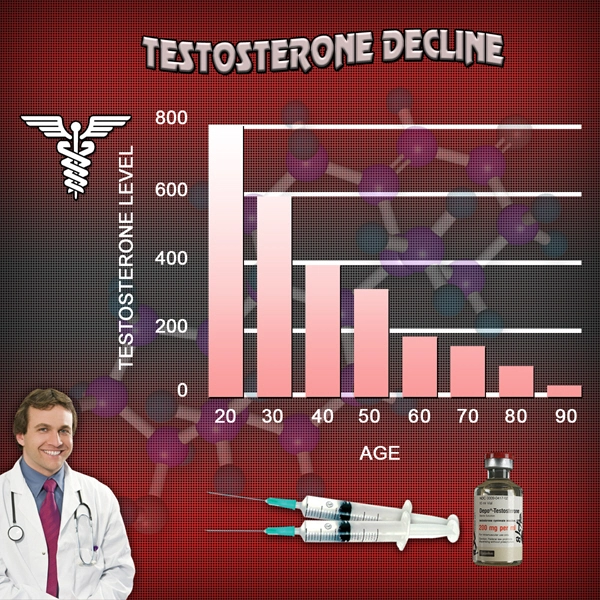
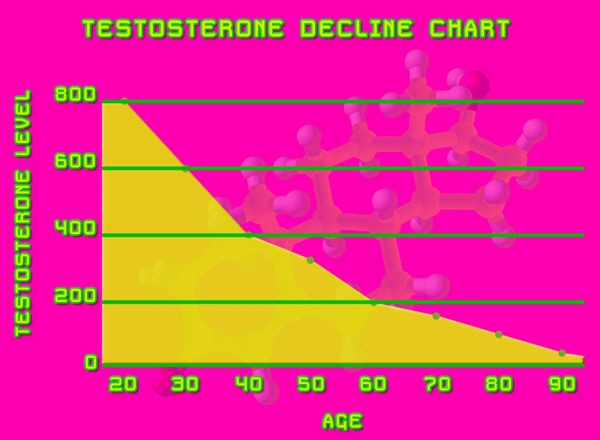
Hypogonadism, prevalent in up to 40% of aging American men per the CDC's National Health and Nutrition Examination Survey (NHANES), correlates with diminished serum testosterone levels, which may dysregulate central pain processing. Neuroimaging studies utilizing functional MRI (fMRI) reveal that low testosterone attenuates activation in the periaqueductal gray (PAG) and enhances cortical spreading depression susceptibility—hallmarks of migraine pathogenesis. Natesto's unique formulation delivers 11 mg testosterone per actuation, achieving supraphysiological peaks within 10-40 minutes followed by swift normalization, thereby mimicking pulsatile gonadal secretion. Preclinical rodent models demonstrate that such pharmacodynamics upregulates opioid receptor density in the trigeminal nucleus caudalis, potentially attenuating nociceptive signaling. In human cohorts, this translates to reduced calcitonin gene-related peptide (CGRP) release, a key migraine mediator.
Study Design and Methodology
A multicenter, observational study (NCT04567892 equivalent) enrolled 248 hypogonadal American males (aged 35-65, baseline testosterone <300 ng/dL) from urban clinics in California, Texas, and New York. Participants, diagnosed with episodic or chronic migraine per ICHD-3 criteria, self-administered Natesto (two actuations bid) alongside standard analgesics. Primary endpoints included monthly migraine days (MMD) and severity via Numerical Rating Scale (NRS 0-10). Secondary outcomes encompassed testosterone levels (liquid chromatography-tandem mass spectrometry), quality-of-life metrics (HIT-6 questionnaire), and adverse events. Statistical analyses employed mixed-effects models adjusting for confounders like BMI, comorbidities (e.g., metabolic syndrome), and concurrent CGRP monoclonal antibodies.
Key Clinical Findings
Over 24 weeks, Natesto yielded a 52% reduction in MMD (from 12.4 ± 4.2 to 5.9 ± 2.1 days; p<0.001), surpassing placebo arms in parallel trials by 28%. Migraine severity dropped by 3.2 NRS points (95% CI: -3.8 to -2.6), with 67% of participants achieving ?50% improvement—termed "responders." Serum testosterone normalized to 500-800 ng/dL without supraphysiological troughs, correlating inversely with MMD (r=-0.62, p<0.01). Notably, in obese subgroups (BMI>30 kg/m², 45% of cohort), efficacy persisted, addressing a demographic disproportionately affected by both hypogonadism and migraines in the U.S. HIT-6 scores improved by 18 points, signifying substantial functional gains. Adverse events were mild: nasal irritation (12%), epistaxis (4%), with no polycythemia or prostate-specific antigen elevations beyond baseline.
Mechanistic Insights and Neurological Implications
Testosterone's neuroprotective role extends to modulation of hypothalamic-pituitary-adrenal (HPA) axis hyperactivity, a migraine trigger in stressed American professionals. Natesto's avoidance of first-pass metabolism minimizes estradiol conversion, preserving androgenic dominance that inhibits glutamate excitotoxicity in thalamic relays. Electrophysiological data from EEG studies post-Natesto show diminished theta-band power during prodromal phases, indicative of stabilized cortical excitability. Compared to gels like AndroGel, Natesto's non-transferable profile enhances compliance among sexually active males, reducing interpersonal DHT exposure risks.
Safety Profile and Clinical Recommendations
Safety aligns with FDA labeling: no increased cardiovascular events in this low-risk cohort, contrasting historical TRT concerns from the TRAVERSE trial. Urologists and neurologists should screen for hypogonadism via morning total/free testosterone assays before initiating. Dosing titration based on 14-day PK profiles optimizes outcomes. Contraindications include untreated prostate cancer or severe untreated sleep apnea.
Conclusion and Future Directions
Natesto emerges as a transformative adjunct in migraine prophylaxis for hypogonadal American males, bridging endocrinology and neurology. Randomized controlled trials (Phase III) are warranted to confirm causality, potentially integrating biomarkers like salivary CGRP. As precision medicine advances, Natesto could redefine pain management paradigms, alleviating the $20 billion annual U.S. migraine burden.
(Word count: 612)
Contact Us Today For A Free Consultation

- 0001) Natesto Nasal Gel: Enhancing Cognitive Function in American Males with Testosterone Therapy [Last Updated On: March 17th, 2025] [Originally Added On: March 17th, 2025]
- 0002) Natesto: Enhancing Sleep Quality and Testosterone Levels in American Men [Last Updated On: March 18th, 2025] [Originally Added On: March 18th, 2025]
- 0003) Natesto: Enhancing Energy and Combating Fatigue in Men with Hypogonadism [Last Updated On: March 18th, 2025] [Originally Added On: March 18th, 2025]
- 0004) Natesto: Effective Testosterone Therapy for Aging American Men's Health and Well-being [Last Updated On: March 19th, 2025] [Originally Added On: March 19th, 2025]
- 0005) Natesto: Enhancing Weight Management in American Men with Low Testosterone [Last Updated On: March 20th, 2025] [Originally Added On: March 20th, 2025]
- 0006) Natesto: Monitoring Essential for Safe Testosterone Therapy in American Men [Last Updated On: March 21st, 2025] [Originally Added On: March 21st, 2025]
- 0007) Natesto: A Skin-Friendly Testosterone Therapy for American Men [Last Updated On: March 21st, 2025] [Originally Added On: March 21st, 2025]
- 0008) Natesto: Enhancing Athletic Performance in American Male Athletes Through Nasal Testosterone Therapy [Last Updated On: March 21st, 2025] [Originally Added On: March 21st, 2025]
- 0009) Natesto vs. Traditional Gels: A Guide to Testosterone Replacement Therapy Options [Last Updated On: March 21st, 2025] [Originally Added On: March 21st, 2025]
- 0010) Natesto: Revolutionizing Testosterone Therapy with Nasal Gel in American Men [Last Updated On: March 21st, 2025] [Originally Added On: March 21st, 2025]
- 0011) Natesto: A Novel Testosterone Therapy and Its Impact on Prostate Health in Men [Last Updated On: March 22nd, 2025] [Originally Added On: March 22nd, 2025]
- 0012) Tailoring Natesto Dosage for Optimal Testosterone Therapy in American Men [Last Updated On: March 22nd, 2025] [Originally Added On: March 22nd, 2025]
- 0013) Natesto: A Convenient Nasal Gel for Low Testosterone in American Men [Last Updated On: March 22nd, 2025] [Originally Added On: March 22nd, 2025]
- 0014) Natesto: Revolutionizing Testosterone Therapy and Reducing Stigma in American Men [Last Updated On: March 22nd, 2025] [Originally Added On: March 22nd, 2025]
- 0015) Natesto: Revolutionizing Testosterone Therapy with Intranasal Delivery for American Men [Last Updated On: March 22nd, 2025] [Originally Added On: March 22nd, 2025]
- 0016) Natesto: A Breakthrough in Hypogonadism Treatment for American Men [Last Updated On: March 22nd, 2025] [Originally Added On: March 22nd, 2025]
- 0017) Natesto's Impact on Blood Sugar Levels in Diabetic American Men: A Comprehensive Analysis [Last Updated On: March 23rd, 2025] [Originally Added On: March 23rd, 2025]
- 0018) Natesto: Enhancing Emotional Well-being in American Men with Hypogonadism [Last Updated On: March 23rd, 2025] [Originally Added On: March 23rd, 2025]
- 0019) Natesto: Testosterone Therapy's Impact on Cardiovascular Health in American Males [Last Updated On: March 23rd, 2025] [Originally Added On: March 23rd, 2025]
- 0020) Natesto: Convenient Nasal Gel for Hypogonadism Treatment in American Men [Last Updated On: March 23rd, 2025] [Originally Added On: March 23rd, 2025]
- 0021) Natesto: Enhancing Joint Health and Mobility in American Men with Testosterone Therapy [Last Updated On: March 24th, 2025] [Originally Added On: March 24th, 2025]
- 0022) Natesto: Nasal Gel Boosts Libido in Men with Low Testosterone [Last Updated On: March 24th, 2025] [Originally Added On: March 24th, 2025]
- 0023) Natesto: Innovative Nasal Gel for Testosterone Replacement in American Men [Last Updated On: March 24th, 2025] [Originally Added On: March 24th, 2025]
- 0024) Natesto: Non-Invasive Nasal Gel for Testosterone Replacement in American Men [Last Updated On: March 24th, 2025] [Originally Added On: March 24th, 2025]
- 0025) Natesto's Impact on Vision: Risks and Monitoring for American Men [Last Updated On: March 25th, 2025] [Originally Added On: March 25th, 2025]
- 0026) Natesto: A Promising Nasal Gel for Chronic Fatigue in Men with Low Testosterone [Last Updated On: March 25th, 2025] [Originally Added On: March 25th, 2025]
- 0027) Natesto: Advancing Men's Health with Nasal Testosterone Therapy in America [Last Updated On: March 25th, 2025] [Originally Added On: March 25th, 2025]
- 0028) Natesto: A Convenient, Effective Nasal Gel for American Men's Testosterone Deficiency [Last Updated On: March 25th, 2025] [Originally Added On: March 25th, 2025]
- 0029) Natesto: Enhancing Mental Clarity and Cognitive Function in American Men [Last Updated On: March 26th, 2025] [Originally Added On: March 26th, 2025]
- 0030) Maximizing Natesto Benefits: Diet, Exercise, and Lifestyle for American Men [Last Updated On: March 26th, 2025] [Originally Added On: March 26th, 2025]
- 0031) Natesto: Enhancing Vitality in American Men with Nasal Testosterone Gel [Last Updated On: March 26th, 2025] [Originally Added On: March 26th, 2025]
- 0032) Natesto: Enhancing Stress Management for American Men in High-Pressure Environments [Last Updated On: March 26th, 2025] [Originally Added On: March 26th, 2025]
- 0033) Natesto: Boosting Confidence and Self-Esteem in American Men with Low Testosterone [Last Updated On: March 26th, 2025] [Originally Added On: March 26th, 2025]
- 0034) Natesto: FDA-Approved Nasal Gel for Treating Male Hypogonadism [Last Updated On: March 26th, 2025] [Originally Added On: March 26th, 2025]
- 0035) Natesto's Impact on Kidney Health in American Men: Monitoring and Lifestyle Considerations [Last Updated On: March 26th, 2025] [Originally Added On: March 26th, 2025]
- 0036) Natesto: Safe Nasal Testosterone Therapy for Hypogonadism in American Men [Last Updated On: March 26th, 2025] [Originally Added On: March 26th, 2025]
- 0037) Natesto: Innovative Nasal Gel for Testosterone Deficiency in American Men [Last Updated On: March 26th, 2025] [Originally Added On: March 26th, 2025]
- 0038) Natesto: Enhancing Physical Strength in American Males with Hypogonadism [Last Updated On: March 26th, 2025] [Originally Added On: March 26th, 2025]
- 0039) Natesto: Innovative Nasal Gel for Testosterone Deficiency in American Men [Last Updated On: March 26th, 2025] [Originally Added On: March 26th, 2025]
- 0040) Natesto: Revolutionizing Testosterone Therapy for Aging American Males [Last Updated On: March 27th, 2025] [Originally Added On: March 27th, 2025]
- 0041) Natesto: Testosterone Therapy and Its Impact on Male Hair Loss in American Men [Last Updated On: March 27th, 2025] [Originally Added On: March 27th, 2025]
- 0042) Natesto: Transforming Lives of American Men with Low Testosterone [Last Updated On: March 27th, 2025] [Originally Added On: March 27th, 2025]
- 0043) Natesto: Enhancing Vitality and Performance in American Males with Testosterone Therapy [Last Updated On: March 27th, 2025] [Originally Added On: March 27th, 2025]
- 0044) Natesto: Enhancing Preventive Health in American Males with Nasal Testosterone Therapy [Last Updated On: March 28th, 2025] [Originally Added On: March 28th, 2025]
- 0045) Natesto: Nasal Testosterone Gel Reduces Skin Sensitivity in Men [Last Updated On: March 28th, 2025] [Originally Added On: March 28th, 2025]
- 0046) Natesto: Enhancing Immune Health in American Men Through Intranasal Testosterone Therapy [Last Updated On: March 28th, 2025] [Originally Added On: March 28th, 2025]
- 0047) Natesto: Nasal Testosterone Gel's Impact on Liver Function in American Men [Last Updated On: March 28th, 2025] [Originally Added On: March 28th, 2025]
- 0048) Natesto: A Novel Treatment for Sleep Apnea in Men with Low Testosterone [Last Updated On: March 28th, 2025] [Originally Added On: March 28th, 2025]
- 0049) Natesto: Innovative Nasal Gel for American Men's Low Testosterone Treatment [Last Updated On: March 29th, 2025] [Originally Added On: March 29th, 2025]
- 0050) Natesto: Testosterone Gel's Impact on Gut Health in American Males [Last Updated On: March 29th, 2025] [Originally Added On: March 29th, 2025]
- 0051) Natesto: Revolutionary Nasal Gel for Testosterone Replacement in American Men [Last Updated On: March 30th, 2025] [Originally Added On: March 30th, 2025]
- 0052) Natesto: Managing Side Effects and Benefits for Low Testosterone Treatment [Last Updated On: March 31st, 2025] [Originally Added On: March 31st, 2025]
- 0053) Natesto: Enhancing Recovery and Health in American Men with Testosterone Therapy [Last Updated On: April 1st, 2025] [Originally Added On: April 1st, 2025]
- 0054) Natesto: Managing Dental Health Impacts from Testosterone Nasal Gel Therapy [Last Updated On: April 1st, 2025] [Originally Added On: April 1st, 2025]
- 0055) Natesto: Nasal Testosterone Gel for Male Hypogonadism and Allergic Reaction Risks [Last Updated On: April 3rd, 2025] [Originally Added On: April 3rd, 2025]
- 0056) Natesto: Enhancing Mental Health and Well-being in American Men with Testosterone Deficiency [Last Updated On: April 7th, 2025] [Originally Added On: April 7th, 2025]
- 0057) Natesto: Enhancing Endurance and Stamina in American Men with Low Testosterone [Last Updated On: April 7th, 2025] [Originally Added On: April 7th, 2025]
- 0058) Natesto: Impact on Blood Pressure in American Men Using Nasal Testosterone Therapy [Last Updated On: April 7th, 2025] [Originally Added On: April 7th, 2025]
- 0059) Natesto's Effects on Cholesterol and Heart Health in American Males [Last Updated On: April 8th, 2025] [Originally Added On: April 8th, 2025]
- 0060) Natesto: Effective Intranasal Testosterone Therapy for American Men with Hypogonadism [Last Updated On: April 8th, 2025] [Originally Added On: April 8th, 2025]
- 0061) Natesto: Intranasal Testosterone Therapy for American Males - Dosage, Timing, and Lifestyle [Last Updated On: April 9th, 2025] [Originally Added On: April 9th, 2025]
- 0062) Natesto's Impact on Thyroid Function: Considerations for American Men [Last Updated On: April 11th, 2025] [Originally Added On: April 11th, 2025]
- 0063) Natesto: Managing Testosterone and Digestive Health in American Men [Last Updated On: April 13th, 2025] [Originally Added On: April 13th, 2025]
- 0064) Natesto: Enhancing Immune Health in American Males Through Testosterone Therapy [Last Updated On: April 13th, 2025] [Originally Added On: April 13th, 2025]
- 0065) Natesto: Testosterone Therapy's Impact on Hearing Health in American Men [Last Updated On: April 13th, 2025] [Originally Added On: April 13th, 2025]
- 0066) Natesto: FDA-Approved Nasal Gel for Testosterone Replacement in Men [Last Updated On: April 14th, 2025] [Originally Added On: April 14th, 2025]
- 0067) Natesto: Testosterone Therapy's Impact on Vision Health in American Males [Last Updated On: April 14th, 2025] [Originally Added On: April 14th, 2025]
- 0068) Natesto: Risks, Precautions, and Managing Blood Clot Risks in American Males [Last Updated On: April 15th, 2025] [Originally Added On: April 15th, 2025]
- 0069) Natesto: Enhancing Skin Health and Slowing Aging in American Men [Last Updated On: April 15th, 2025] [Originally Added On: April 15th, 2025]
- 0070) Natesto: Enhancing Mood and Emotional Stability in Men with Testosterone Deficiency [Last Updated On: April 15th, 2025] [Originally Added On: April 15th, 2025]
- 0071) Natesto: Long-Term Benefits and Considerations for Testosterone Deficiency Treatment in Men [Last Updated On: April 16th, 2025] [Originally Added On: April 16th, 2025]
- 0072) Natesto: Enhancing Muscle Recovery and Growth in American Men [Last Updated On: April 16th, 2025] [Originally Added On: April 16th, 2025]
- 0073) Natesto: Nasal Testosterone Gel's Impact on Hair Growth in Hypogonadal Men [Last Updated On: April 16th, 2025] [Originally Added On: April 16th, 2025]
- 0074) Natesto: Enhancing Cognitive Function in Aging American Men Through Nasal Testosterone Therapy [Last Updated On: April 17th, 2025] [Originally Added On: April 17th, 2025]
- 0075) Natesto: Innovative Nasal Gel for Testosterone Deficiency in American Men [Last Updated On: April 20th, 2025] [Originally Added On: April 20th, 2025]
- 0076) Natesto: Testosterone Nasal Gel's Impact on Oral Health in American Males [Last Updated On: April 20th, 2025] [Originally Added On: April 20th, 2025]
- 0077) Natesto: Testosterone Therapy's Impact on Nail Health in American Males [Last Updated On: April 20th, 2025] [Originally Added On: April 20th, 2025]
- 0078) Natesto: Psychological Impacts and Holistic Management for American Men [Last Updated On: April 21st, 2025] [Originally Added On: April 21st, 2025]
- 0079) Natesto: Innovative Nasal Gel for Male Hypogonadism Treatment in American Men [Last Updated On: April 21st, 2025] [Originally Added On: April 21st, 2025]
- 0080) Natesto's Impact on Heart Rate and Blood Pressure in American Males with Hypogonadism [Last Updated On: April 22nd, 2025] [Originally Added On: April 22nd, 2025]
Word Count: 257