In the landscape of modern American healthcare, endocrine disorders represent a silent epidemic among men, profoundly influencing hematopoiesis, coagulation cascades, and overall blood integrity. With over 13 million U.S. men aged 45 and older grappling with symptomatic hypogonadism according to the Centers for Disease Control and Prevention (CDC), hormonal imbalances—ranging from testosterone deficiency to thyroid dysfunction—exacerbate risks for anemias, thrombotic events, and coagulopathies. This article elucidates the intricate endocrine-hematologic axis, tailored to American males, where lifestyle factors like obesity (affecting 42% of adult men per National Health and Nutrition Examination Survey data) and sedentary behaviors amplify these vulnerabilities. By dissecting pathophysiological mechanisms, clinical manifestations, and evidence-based interventions, we empower men to navigate these risks proactively.
The Pivotal Role of Androgens in Coagulation and Erythropoiesis
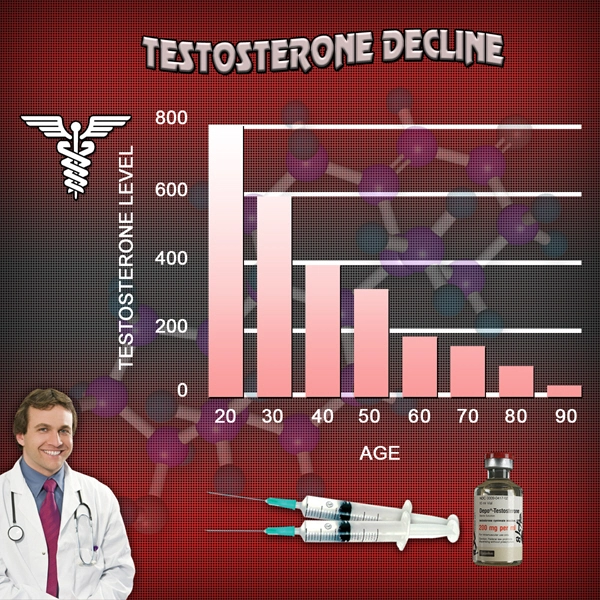
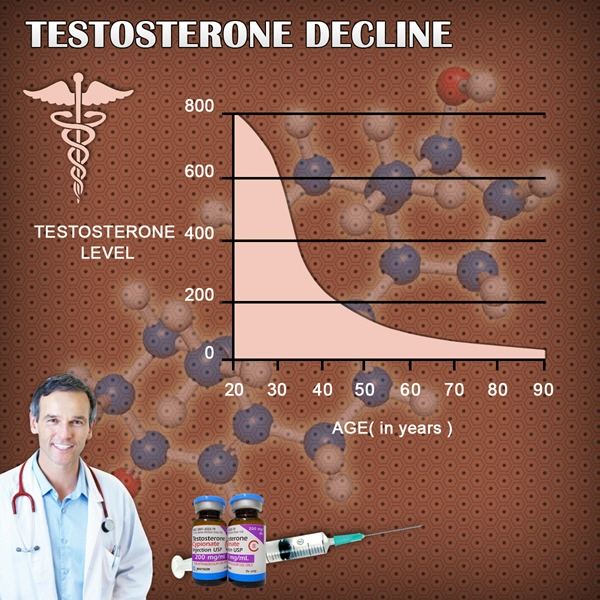
Testosterone, the cornerstone androgen in male physiology, exerts pleiotropic effects on hematologic parameters. In American men, late-onset hypogonadism (LOH) prevalence surges to 30-40% by age 70, correlating with diminished erythropoietin (EPO) stimulation and subsequent anemia of chronic disease. Mechanistically, testosterone upregulates EPO receptor expression in erythroid progenitors, fostering hemoglobin synthesis; its deficiency yields normocytic anemia, with hemoglobin levels dropping below 13 g/dL in up to 20% of affected individuals. Conversely, supraphysiologic testosterone—often from anabolic steroid misuse prevalent in 1-2% of U.S. gym-goers—elevates hematocrit (>50%), precipitating polycythemia vera-like states and hypercoagulability via increased fibrinogen and factor VIII.
Coagulation profiling reveals testosterone's prothrombotic tilt: it enhances platelet aggregation through glycoprotein IIb/IIIa receptor upregulation and bolsters von Willebrand factor (vWF) release. Longitudinal studies, such as the Framingham Heart Study, link low free testosterone (<65 pg/mL) to paradoxical venous thromboembolism (VTE) risks, possibly via endothelial dysfunction and inflammation. American men with metabolic syndrome, disproportionately impacted, face compounded dangers, underscoring the need for routine serum total testosterone assays in primary care. Thyroid Dysfunction: Bidirectional Impacts on Blood Disorders
Thyroid hormones—thyroxine (T4) and triiodothyronine (T3)—orchestrate metabolic homeostasis with direct hematologic ramifications. Hypothyroidism, diagnosed in 4.6% of U.S. men per NHANES, manifests as macrocytic anemia due to impaired DNA synthesis in megaloblastic precursors and reduced EPO production. Coagulopathy ensues from elevated factor VIII and decreased fibrinolytic activity, heightening arterial thrombosis; a meta-analysis in *Thyroid* journal reports a 1.5-fold VTE risk elevation.
Hyperthyroidism, though less common (1.2% prevalence), accelerates bone marrow turnover, inducing thrombocytopenia and hemolytic anemia via oxidative stress on erythrocytes. In American veterans, where autoimmune thyroiditis predominates, thyrotoxicosis correlates with atrial fibrillation and stroke via hypercoagulable states—fibrinogen surges by 20-30%. Levothyroxine replacement or antithyroidals like methimazole restore hemostatic balance, emphasizing TSH screening in men over 50.
Adrenal and Stress Hormones: Cortisol's Double-Edged Sword
Glucocorticoids, chiefly cortisol, modulate inflammation and coagulation. Cushing's syndrome, albeit rare (affecting ~10 per million U.S. men annually), induces erythrocytosis and leukocytosis through EPO induction and neutrophil demargination. Hypercortisolism fosters a procoagulant milieu: plasminogen activator inhibitor-1 (PAI-1) overexpression inhibits fibrinolysis, while protein C resistance amplifies deep vein thrombosis (DVT) incidence by 2-4 fold, per Endocrine Society guidelines.
Conversely, adrenal insufficiency (e.g., Addison's disease, 1:20,000 prevalence) precipitates normochromic anemia and bleeding diatheses from thrombocytopenia and impaired platelet function. In high-stress American professions—military personnel and executives—chronic activation of the hypothalamic-pituitary-adrenal (HPA) axis elevates D-dimer levels, signaling subclinical coagulopathy. Hydrocortisone therapy mitigates these, highlighting ACTH stimulation tests for at-risk cohorts.
Epidemiologic Insights and Risk Stratification for U.S. Men
American men bear unique burdens: African American males exhibit 1.5-fold higher hypothyroidism rates, while Hispanic cohorts face amplified LOH from diabetes (prevalent in 13%). Obesity-driven aromatase excess converts testosterone to estradiol, disrupting the axis and promoting dyslipidemia-fueled atherothrombosis. Validated tools like the Androgen Deficiency in the Aging Male (ADAM) questionnaire, coupled with complete blood counts (CBC), prothrombin time (PT/INR), and activated partial thromboplastin time (aPTT), facilitate early detection.
Therapeutic Frontiers and Preventive Strategies
Testosterone replacement therapy (TRT) via gels or injectables boosts hemoglobin by 1-2 g/dL but mandates hematocrit monitoring to avert polycythemia. Anticoagulants like direct oral anticoagulants (DOACs) are first-line for hormone-induced VTE, per American College of Chest Physicians. Lifestyle interventions—weight loss, exercise—normalize insulin sensitivity, attenuating PAI-1 and restoring eugonadism. Multidisciplinary care involving endocrinologists and hematologists is paramount.
In conclusion, hormonal imbalances imperil blood health in American men, intertwining endocrinology with hematology. Vigilant screening and tailored therapies can avert dire outcomes, fostering longevity amid rising chronic disease burdens. Men are urged to consult providers for personalized risk assessment.
(Word count: 682)
Contact Us Today For A Free Consultation

- 0001) Clomiphene Citrate Therapy in Men: Enhancing Endocrine Function in Secondary Hypogonadism [Last Updated On: February 20th, 2025] [Originally Added On: February 20th, 2025]
- 0002) Comprehensive Endocrine Evaluation Essential for Diagnosing Fatigue in American Men [Last Updated On: March 2nd, 2025] [Originally Added On: March 2nd, 2025]
- 0003) Exploring hCG Monotherapy and Exogenous Testosterone in Young Men with Hypogonadotropic Hypogonadism: A Focus on Testicular Function [Last Updated On: March 5th, 2025] [Originally Added On: March 5th, 2025]
- 0004) The Crucial Link Between Insulin Resistance and Male Hormonal Imbalances: Effective Management Strategies [Last Updated On: March 7th, 2025] [Originally Added On: March 7th, 2025]
- 0005) The Crucial Link: Vitamin D's Impact on Androgen Metabolism and Hormone Replacement Therapy [Last Updated On: March 8th, 2025] [Originally Added On: March 8th, 2025]
- 0006) The Critical Balance: Cortisol and Testosterone's Impact on Men's Health and Hormones [Last Updated On: March 9th, 2025] [Originally Added On: March 9th, 2025]
- 0007) Exploring Neurosteroid Modulation as a Pioneering Treatment for Stress-Induced Endocrine Disorders in American Men [Last Updated On: March 12th, 2025] [Originally Added On: March 12th, 2025]
- 0008) Exploring the Therapeutic Potential of Selective Androgen Receptor Modulators (SARMs) in Male Endocrine Disorders [Last Updated On: March 13th, 2025] [Originally Added On: March 13th, 2025]
- 0009) Exploring the Role of Oxytocin in Male Endocrinology: From Physiology to Therapeutic Potential [Last Updated On: March 15th, 2025] [Originally Added On: March 15th, 2025]
- 0010) Precision Medicine Revolutionizes HRT for Male Endocrine Disorders in American Males [Last Updated On: March 17th, 2025] [Originally Added On: March 17th, 2025]
- 0011) Endocrine Disrupting Chemicals: Impact on Male Health and Holistic Management Strategies [Last Updated On: March 18th, 2025] [Originally Added On: March 18th, 2025]
- 0012) Adipokines and Male Endocrine Health: Mechanisms, Impacts, and Therapeutic Prospects [Last Updated On: March 18th, 2025] [Originally Added On: March 18th, 2025]
- 0013) Chronobiology's Role in Male Hormone Secretion and Endocrinology for American Men [Last Updated On: March 18th, 2025] [Originally Added On: March 18th, 2025]
- 0014) Trace Elements' Impact on Hormone Metabolism in American Men: Zinc, Selenium, Magnesium [Last Updated On: March 19th, 2025] [Originally Added On: March 19th, 2025]
- 0015) Gut Microbiome's Role in Men's Steroid Hormone Metabolism and Health [Last Updated On: March 20th, 2025] [Originally Added On: March 20th, 2025]
- 0016) Thyroid-Testicular Axis: Impact on Male Health and Management Strategies [Last Updated On: March 20th, 2025] [Originally Added On: March 20th, 2025]
- 0017) Somatostatin Analogues: Versatile Applications in Male Endocrinology and Beyond [Last Updated On: March 21st, 2025] [Originally Added On: March 21st, 2025]
- 0018) Inflammaging and Male Hormonal Health: Strategies for Endocrine Optimization [Last Updated On: March 21st, 2025] [Originally Added On: March 21st, 2025]
- 0019) Mitochondrial Health and Male Hormones: Therapeutic Targets for Age-Related Decline [Last Updated On: March 21st, 2025] [Originally Added On: March 21st, 2025]
- 0020) Metabolomics Revolutionizing Male Endocrine Health Diagnostics and Treatment [Last Updated On: March 21st, 2025] [Originally Added On: March 21st, 2025]
- 0021) OSA in American Men: Exploring Endocrine Effects Beyond Testosterone [Last Updated On: March 22nd, 2025] [Originally Added On: March 22nd, 2025]
- 0022) Ghrelin Modulation Enhances Weight Management in Hypogonadal American Men on TRT [Last Updated On: March 22nd, 2025] [Originally Added On: March 22nd, 2025]
- 0023) Energy Balance and Reproductive Function in American Men: Neuroendocrine Integration and Clinical Implications [Last Updated On: March 23rd, 2025] [Originally Added On: March 23rd, 2025]
- 0024) NAFLD's Impact on Male Endocrine and Reproductive Health: A Comprehensive Overview [Last Updated On: March 23rd, 2025] [Originally Added On: March 23rd, 2025]
- 0025) Male Hormonal Health and Cognitive Function: The Impact of Hormone Replacement Therapy [Last Updated On: March 23rd, 2025] [Originally Added On: March 23rd, 2025]
- 0026) Pharmacogenomics Revolutionizes Hormone Therapy in Men: Tailoring Treatment to Genetic Profiles [Last Updated On: March 23rd, 2025] [Originally Added On: March 23rd, 2025]
- 0027) SHBG's Role in Male Hormonal Health: Regulation, Diagnosis, and Therapeutic Implications [Last Updated On: March 24th, 2025] [Originally Added On: March 24th, 2025]
- 0028) Luteinizing Hormone Dynamics: Diagnosis and Treatment in Male Endocrinology [Last Updated On: March 24th, 2025] [Originally Added On: March 24th, 2025]
- 0029) Managing Polycythemia in Men on Testosterone Therapy: Monitoring and Strategies [Last Updated On: March 24th, 2025] [Originally Added On: March 24th, 2025]
- 0030) Hormone Optimization and Lifestyle Strategies to Combat Sarcopenia in Aging Males [Last Updated On: March 24th, 2025] [Originally Added On: March 24th, 2025]
- 0031) Epigenetic Changes from HRT in American Men: Longitudinal Insights and Clinical Implications [Last Updated On: March 24th, 2025] [Originally Added On: March 24th, 2025]
- 0032) Leptin Resistance in American Men: Endocrine Effects and Management Strategies [Last Updated On: March 24th, 2025] [Originally Added On: March 24th, 2025]
- 0033) Endocrine Reserve Testing: Diagnosis and Management of Hormonal Imbalances in American Men [Last Updated On: March 25th, 2025] [Originally Added On: March 25th, 2025]
- 0034) Optimizing Bone Health: BMD Monitoring Protocols for Men on HRT in the USA [Last Updated On: March 25th, 2025] [Originally Added On: March 25th, 2025]
- 0035) Managing Male Climacteric Syndrome: Symptoms, Diagnosis, and Multidisciplinary Treatment Approaches [Last Updated On: March 25th, 2025] [Originally Added On: March 25th, 2025]
- 0036) Exercise and Endocrinology in Men: Hormonal Dynamics and HRT Implications [Last Updated On: March 25th, 2025] [Originally Added On: March 25th, 2025]
- 0037) Navigating Prostate Health During Testosterone Replacement Therapy: Risks and Monitoring Guidelines [Last Updated On: March 25th, 2025] [Originally Added On: March 25th, 2025]
- 0038) Pituitary Incidentalomas in Men: Evaluation, Management, and Long-term Monitoring [Last Updated On: March 25th, 2025] [Originally Added On: March 25th, 2025]
- 0039) Biomarkers in Male Endocrinology: Growth Factors and Cytokines' Clinical Applications [Last Updated On: March 25th, 2025] [Originally Added On: March 25th, 2025]
- 0040) Androgen Receptor Sensitivity: Enhancing Personalized Hormone Therapy in Men's Health [Last Updated On: March 25th, 2025] [Originally Added On: March 25th, 2025]
- 0041) Vasopressin's Therapeutic Roles in Male Endocrinology and Health [Last Updated On: March 25th, 2025] [Originally Added On: March 25th, 2025]
- 0042) Managing HPT Axis Recovery in American Men Post-Testosterone Therapy: Endocrinological Approaches [Last Updated On: March 26th, 2025] [Originally Added On: March 26th, 2025]
- 0043) Diurnal Hormone Patterns: Optimizing Endocrinology for American Males [Last Updated On: March 26th, 2025] [Originally Added On: March 26th, 2025]
- 0044) Post-Traumatic Hypopituitarism in American Men: Diagnosis, Treatment, and Management Strategies [Last Updated On: March 26th, 2025] [Originally Added On: March 26th, 2025]
- 0045) Endocrine Sequelae in Male TBI Patients: Long-Term Management and Follow-Up Strategies [Last Updated On: March 26th, 2025] [Originally Added On: March 26th, 2025]
- 0046) ECS's Role in Male Reproductive Health: Insights for American Men [Last Updated On: March 26th, 2025] [Originally Added On: March 26th, 2025]
- 0047) Subclinical Endocrinopathies in Men: Diagnosis, Thresholds, and Treatment Strategies [Last Updated On: March 26th, 2025] [Originally Added On: March 26th, 2025]
- 0048) Inhibin B: Key Biomarker for Assessing Male Fertility and Endocrine Health [Last Updated On: March 27th, 2025] [Originally Added On: March 27th, 2025]
- 0049) Aging Men's Endocrine Changes: Impacts on Fertility and Offspring Health [Last Updated On: March 27th, 2025] [Originally Added On: March 27th, 2025]
- 0050) Opioid-Induced Endocrinopathy in Men: Mechanisms, Symptoms, and Management Strategies [Last Updated On: March 27th, 2025] [Originally Added On: March 27th, 2025]
- 0051) Multimarker Approach to Cardiometabolic Risk in Men on Hormone Replacement Therapy [Last Updated On: March 27th, 2025] [Originally Added On: March 27th, 2025]
- 0052) Endocrine Frailty in Aging Men: Hormonal Decline and Multimodal Intervention Strategies [Last Updated On: March 27th, 2025] [Originally Added On: March 27th, 2025]
- 0053) Male Sex Hormones and Autoimmune Disease Management in American Men: Endocrinology Insights [Last Updated On: March 27th, 2025] [Originally Added On: March 27th, 2025]
- 0054) HRT and Telomere Length: Implications for Aging and Longevity in American Men [Last Updated On: March 27th, 2025] [Originally Added On: March 27th, 2025]
- 0055) INSL3: A Stable Biomarker for Leydig Cell Function in Male Reproductive Health [Last Updated On: March 27th, 2025] [Originally Added On: March 27th, 2025]
- 0056) Neuropeptide Y: Key Regulator in Male Endocrine and Metabolic Health [Last Updated On: March 28th, 2025] [Originally Added On: March 28th, 2025]
- 0057) Bioavailable Hormones: Key to Effective Male Endocrinology Treatment in American Men [Last Updated On: March 28th, 2025] [Originally Added On: March 28th, 2025]
- 0058) Managing Endocrine Disruption in Men Post-Chemotherapy: Strategies and Support [Last Updated On: March 29th, 2025] [Originally Added On: March 29th, 2025]
- 0059) Genetic Insights into Male Hypogonadism: Diagnosis, Treatment, and Counseling [Last Updated On: March 29th, 2025] [Originally Added On: March 29th, 2025]
- 0060) AMH's Emerging Role in Adult Male Endocrinology and Reproductive Health [Last Updated On: March 30th, 2025] [Originally Added On: March 30th, 2025]
- 0061) Hyperparathyroidism's Impact on Male Reproductive Health: Diagnosis and Management Strategies [Last Updated On: April 2nd, 2025] [Originally Added On: April 2nd, 2025]
- 0062) Radiation-Induced Hypopituitarism in Men: Diagnosis, Hormone Deficiency Patterns, and Management Strategies [Last Updated On: April 3rd, 2025] [Originally Added On: April 3rd, 2025]
- 0063) Hemochromatosis in American Men: Endocrine Effects, Screening, and Management Strategies [Last Updated On: April 3rd, 2025] [Originally Added On: April 3rd, 2025]
- 0064) CKD's Impact on Male Endocrine Function: Adaptations and Therapeutic Strategies [Last Updated On: April 4th, 2025] [Originally Added On: April 4th, 2025]
- 0065) Managing Male Sexual Desire Disorders: Endocrine Focus and Treatment Options for American Men [Last Updated On: April 6th, 2025] [Originally Added On: April 6th, 2025]
- 0066) Osteoporosis in Men: Endocrine Evaluation, Hormone Therapy, and Dietary Management [Last Updated On: April 7th, 2025] [Originally Added On: April 7th, 2025]
- 0067) Adrenal Incidentalomas in Men: Evaluation, Management, and Long-term Follow-up Strategies [Last Updated On: April 7th, 2025] [Originally Added On: April 7th, 2025]
- 0068) Cushing's Syndrome in Men: Clinical Features, Diagnosis, and Management Strategies [Last Updated On: April 8th, 2025] [Originally Added On: April 8th, 2025]
- 0069) Hormonal Imbalances and Their Impact on Male Stress Urinary Incontinence [Last Updated On: April 8th, 2025] [Originally Added On: April 8th, 2025]
- 0070) Hormone Replacement Therapy: Enhancing Male Fertility Through Endocrinology [Last Updated On: April 9th, 2025] [Originally Added On: April 9th, 2025]
- 0071) Enhancing Endocrine Resilience in American Men: Strategies and Biological Insights [Last Updated On: April 9th, 2025] [Originally Added On: April 9th, 2025]
- 0072) Growth Hormone and IGF-1: Enhancing Male Athletic Performance and Health [Last Updated On: April 10th, 2025] [Originally Added On: April 10th, 2025]
- 0073) Endocrine Management of Hormone Therapy for Transgender Men: Protocols and Monitoring [Last Updated On: April 12th, 2025] [Originally Added On: April 12th, 2025]
- 0074) Androgen Action: Mechanisms, Prostate Health, and Targeted Therapies for American Men [Last Updated On: April 12th, 2025] [Originally Added On: April 12th, 2025]
- 0075) Advancements in Male Hormonal Contraception: Impact and Future Prospects [Last Updated On: April 13th, 2025] [Originally Added On: April 13th, 2025]
- 0076) AI-Driven Precision Endocrinology: Personalizing Hormone Therapy for Men [Last Updated On: April 14th, 2025] [Originally Added On: April 14th, 2025]
- 0077) Enhancing Male Endocrinology Care with Patient-Reported Outcome Measures in American Men [Last Updated On: April 16th, 2025] [Originally Added On: April 16th, 2025]
- 0078) Quality Indicators in Male Endocrine Care: Development, Implementation, and Impact on American Men's Health [Last Updated On: April 16th, 2025] [Originally Added On: April 16th, 2025]
- 0079) Integrative Endocrinology: Holistic Hormone Therapy for American Men's Health [Last Updated On: April 16th, 2025] [Originally Added On: April 16th, 2025]
- 0080) Wearable Tech Revolutionizes Hormone Monitoring and HRT for American Men [Last Updated On: April 17th, 2025] [Originally Added On: April 17th, 2025]
Word Count: 255