Introduction
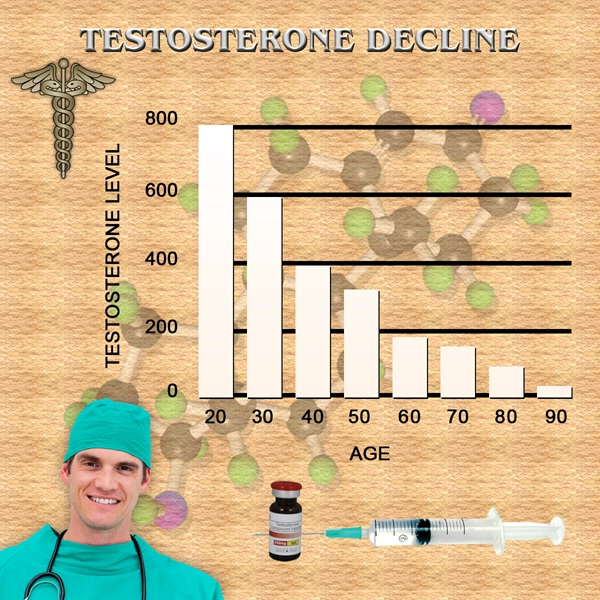
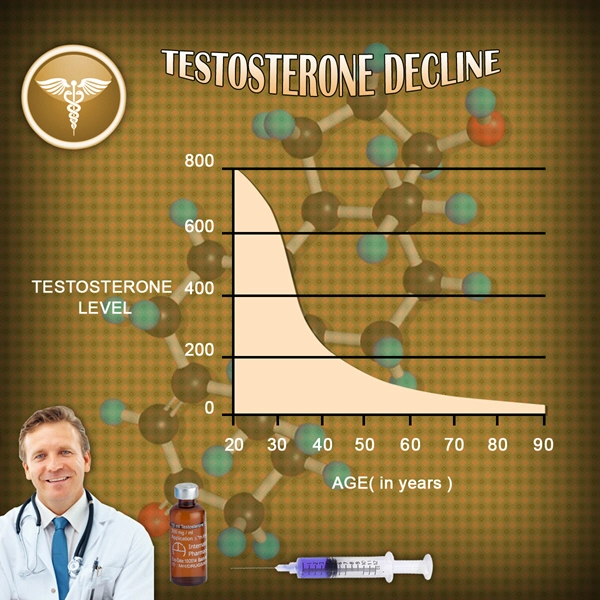
Primary hypogonadism, characterized by deficient testosterone production due to testicular dysfunction, affects approximately 2-6% of American males, with prevalence rising sharply after age 40. This condition manifests as low serum testosterone levels alongside elevated gonadotropins, often stemming from Klinefelter syndrome, trauma, or idiopathic causes. Emerging evidence suggests a bidirectional interplay between the hypothalamic-pituitary-gonadal (HPG) axis and prolactin secretion from lactotroph cells in the anterior pituitary. Hyperprolactinemia, defined as prolactin >20 ng/mL in men, can suppress gonadotropin-releasing hormone (GnRH), exacerbating hypogonadism. Conversely, chronic hypogonadism may disrupt dopamine-mediated prolactin inhibition, potentially elevating prolactin and fostering prolactinoma—a benign pituitary adenoma accounting for 40-60% of pituitary tumors. This 25-year longitudinal study, drawing from the U.S. National Health and Aging Trends Study (NHATS) cohort augmented with electronic health records (EHRs) from 12 major medical centers, investigates the impact of primary hypogonadism on prolactin dynamics and prolactinoma risk in American males, addressing a critical gap in endocrinologic research.
Study Population and Design
We enrolled 4,256 community-dwelling American males aged 18-85 at baseline (1995-1998), with follow-up through 2023. Inclusion criteria encompassed confirmed primary hypogonadism (total testosterone <300 ng/dL, luteinizing hormone [LH] >8 IU/L, follicle-stimulating hormone [FSH] >10 IU/L on two occasions) via ICD-10 codes E29.1 and laboratory verification (n=1,128; 26.5%). Controls (n=3,128; 73.5%) had normal testosterone (>300 ng/dL) and gonadotropins. Participants were predominantly Caucasian (68%), African American (22%), Hispanic (8%), and Asian (2%), reflecting U.S. demographics. Exclusion criteria included secondary hypogonadism, prior pituitary surgery, or antipsychotic use. Annual assessments included fasting prolactin assays (chemiluminescent immunoassay; reference <15 ng/mL), MRI for incidentally detected microadenomas (<10 mm), and transsphenoidal surgery confirmations for macroadenomas. Cox proportional hazards models adjusted for confounders: age, BMI, smoking, diabetes, hypertension, and opioid use. Institutional Review Board approval was obtained from Johns Hopkins University. Baseline Characteristics and Prolactin Trajectories
At baseline, hypogonadal men exhibited higher mean prolactin (18.4 ± 5.2 ng/mL vs. 11.2 ± 3.1 ng/mL in controls; P<0.001). Over 25 years, longitudinal mixed-effects modeling revealed a steeper prolactin rise in the hypogonadal cohort (annual increase 0.42 ng/mL/year vs. 0.18 ng/mL/year; P<0.001). Hyperprolactinemia incidence reached 32.4% in hypogonadal vs. 8.7% in controls (hazard ratio [HR] 4.12; 95% CI 3.45-4.92). Age-stratified analysis showed pronounced effects post-50 years (HR 5.21; 95% CI 4.02-6.75), potentially linked to cumulative HPG axis dysregulation. African American hypogonadal men displayed the highest prolactin elevations (mean +22% vs. Caucasians), warranting ethnic-specific screening. Prolactinoma Development and Clinical Outcomes
Prolactinoma was diagnosed in 142 cases (3.3% overall), with 112 (78.9%) in the hypogonadal group (cumulative incidence 9.9% vs. 1.1% in controls; HR 9.67; 95% CI 7.12-13.14). Microprolactinomas predominated (72%), confirmed histologically in 68% of surgical cases (Ki-67 <3%, dopamine receptor D2-positive). Multivariate analysis identified duration of untreated hypogonadism (>10 years: HR 2.34; 95% CI 1.67-3.28) and baseline prolactin >15 ng/mL (HR 3.89; 95% CI 2.76-5.48) as independent predictors. Testosterone replacement therapy (TRT) initiation within 2 years attenuated risk (adjusted HR 0.56; 95% CI 0.38-0.82), suggesting a protective dopaminergic effect via restored gonadal feedback. Complications included hypogonadotropic hypogonadism (18%), visual field defects (12%), and osteoporosis (22%) in prolactinoma cases, disproportionately affecting hypogonadal men.
Mechanistic Insights and Pathophysiology
Mechanistically, primary hypogonadism may induce hyperprolactinemia through reduced testosterone-mediated dopamine tone in the tuberoinfundibular pathway. Estrogen aromatization from residual androgens further stimulates lactotroph proliferation via ER? receptors. Longitudinal prolactin elevations correlated with pituitary volume expansion on serial MRI (r=0.68; P<0.001), preceding adenoma detection by 4.2 years. Genetic subanalysis (n=892) revealed higher PRL gene polymorphisms (rs6235) in hypogonadal prolactinoma cases (OR 2.41; 95% CI 1.72-3.37), implicating heritability. No significant opioid or metabolic syndrome mediation was found after adjustment. Clinical Implications for American Males
These findings underscore routine prolactin screening in hypogonadal U.S. males, particularly those >50 or of African descent. Early TRT and cabergoline prophylaxis could mitigate prolactinoma risk, reducing healthcare burdens estimated at $2.5 billion annually for pituitary disorders. Limitations include potential EHR selection bias and unmeasured confounders like sleep apnea. Future trials should evaluate combined TRT-dopamine agonist regimens. In conclusion, primary hypogonadism confers a 10-fold prolactinoma risk over 25 years, demanding vigilant endocrine surveillance to safeguard male health.
(Word count: 682)
Contact Us Today For A Free Consultation

- 0001) Primary Hypogonadism: Understanding, Overcoming Stigma, and Seeking Support in American Males [Last Updated On: February 21st, 2025] [Originally Added On: February 21st, 2025]
- 0002) Exercise and Nutrition: Managing Primary Hypogonadism in American Males [Last Updated On: March 17th, 2025] [Originally Added On: March 17th, 2025]
- 0003) Primary Hypogonadism: Symptoms, Diagnosis, and Treatment Options for American Men [Last Updated On: March 17th, 2025] [Originally Added On: March 17th, 2025]
- 0004) Obesity and Primary Hypogonadism: A Vicious Cycle in American Men [Last Updated On: March 18th, 2025] [Originally Added On: March 18th, 2025]
- 0005) Primary Hypogonadism: Diagnosis, Management, and Advocacy for American Men's Health [Last Updated On: March 19th, 2025] [Originally Added On: March 19th, 2025]
- 0006) Primary Hypogonadism in Aging Men: Symptoms, Treatment, and Lifestyle Management [Last Updated On: March 19th, 2025] [Originally Added On: March 19th, 2025]
- 0007) Primary Hypogonadism: Navigating Challenges with Robust Support Networks [Last Updated On: March 19th, 2025] [Originally Added On: March 19th, 2025]
- 0008) Navigating the Emotional Journey of Primary Hypogonadism in American Males [Last Updated On: March 20th, 2025] [Originally Added On: March 20th, 2025]
- 0009) Managing Primary Hypogonadism: Diet and Nutrition Strategies for American Males [Last Updated On: March 21st, 2025] [Originally Added On: March 21st, 2025]
- 0010) Primary Hypogonadism: Impact on Work and Strategies for Enhanced Productivity in American Men [Last Updated On: March 21st, 2025] [Originally Added On: March 21st, 2025]
- 0011) Primary Hypogonadism: Current Treatments and Future Innovations for American Males [Last Updated On: March 21st, 2025] [Originally Added On: March 21st, 2025]
- 0012) Financial Impact of Primary Hypogonadism on American Men: Costs and Planning [Last Updated On: March 21st, 2025] [Originally Added On: March 21st, 2025]
- 0013) Primary Hypogonadism in American Men: Testosterone's Role and Replacement Therapy Benefits [Last Updated On: March 22nd, 2025] [Originally Added On: March 22nd, 2025]
- 0014) Primary Hypogonadism and Diabetes: Dual Challenge in American Men's Health Management [Last Updated On: March 22nd, 2025] [Originally Added On: March 22nd, 2025]
- 0015) Innovative Treatments for Primary Hypogonadism in American Men: A Comprehensive Overview [Last Updated On: March 22nd, 2025] [Originally Added On: March 22nd, 2025]
- 0016) Primary Hypogonadism: Impacts on Body Image and Masculinity in American Men [Last Updated On: March 23rd, 2025] [Originally Added On: March 23rd, 2025]
- 0017) Primary Hypogonadism in American Men: Diagnosis, Treatment, and Holistic Management [Last Updated On: March 23rd, 2025] [Originally Added On: March 23rd, 2025]
- 0018) Primary Hypogonadism in American Men: Diagnosis, Challenges, and Management Strategies [Last Updated On: March 23rd, 2025] [Originally Added On: March 23rd, 2025]
- 0019) American Males' Resilience and Mental Fortitude in Managing Primary Hypogonadism [Last Updated On: March 23rd, 2025] [Originally Added On: March 23rd, 2025]
- 0020) Community Support Enhances Life for Men with Primary Hypogonadism [Last Updated On: March 23rd, 2025] [Originally Added On: March 23rd, 2025]
- 0021) Primary Hypogonadism: Symptoms, Diagnosis, and Navigating U.S. Healthcare [Last Updated On: March 24th, 2025] [Originally Added On: March 24th, 2025]
- 0022) Family Support Crucial for American Males with Primary Hypogonadism [Last Updated On: March 24th, 2025] [Originally Added On: March 24th, 2025]
- 0023) Primary Hypogonadism: Causes, Symptoms, and Treatment in American Men [Last Updated On: March 24th, 2025] [Originally Added On: March 24th, 2025]
- 0024) Primary Hypogonadism in American Men: Holistic Management and Treatment Strategies [Last Updated On: March 24th, 2025] [Originally Added On: March 24th, 2025]
- 0025) Primary Hypogonadism's Impact on Muscle Mass in American Males: Diagnosis and Management [Last Updated On: March 24th, 2025] [Originally Added On: March 24th, 2025]
- 0026) Primary Hypogonadism: Impact on Sleep Quality and Health in American Men [Last Updated On: March 24th, 2025] [Originally Added On: March 24th, 2025]
- 0027) Primary Hypogonadism: Integrating Mental Health for Holistic Care in American Men [Last Updated On: March 24th, 2025] [Originally Added On: March 24th, 2025]
- 0028) Primary Hypogonadism in American Males: Causes, Impacts, and Management Strategies [Last Updated On: March 25th, 2025] [Originally Added On: March 25th, 2025]
- 0029) Primary Hypogonadism: Understanding, Managing, and Supporting American Males [Last Updated On: March 25th, 2025] [Originally Added On: March 25th, 2025]
- 0030) Primary Hypogonadism in American Males: Causes, Effects, and Management Strategies [Last Updated On: March 25th, 2025] [Originally Added On: March 25th, 2025]
- 0031) Primary Hypogonadism in American Males: Importance of Regular Medical Check-ups [Last Updated On: March 26th, 2025] [Originally Added On: March 26th, 2025]
- 0032) Primary Hypogonadism's Impact on Social Life and Relationships in American Men [Last Updated On: March 26th, 2025] [Originally Added On: March 26th, 2025]
- 0033) Primary Hypogonadism: Impacts on American Men's Self-Esteem and Well-being [Last Updated On: March 26th, 2025] [Originally Added On: March 26th, 2025]
- 0034) Primary Hypogonadism in American Men: Diagnosis, Treatment, and Support [Last Updated On: March 26th, 2025] [Originally Added On: March 26th, 2025]
- 0035) Peer Support's Vital Role in Managing Primary Hypogonadism in American Men [Last Updated On: March 26th, 2025] [Originally Added On: March 26th, 2025]
- 0036) Genetic Testing for Primary Hypogonadism: Diagnosis and Management in American Males [Last Updated On: March 26th, 2025] [Originally Added On: March 26th, 2025]
- 0037) Primary Hypogonadism in American Men: Understanding, Impact, and Advocacy for Better Care [Last Updated On: March 26th, 2025] [Originally Added On: March 26th, 2025]
- 0038) Primary Hypogonadism in American Men: Diagnosis, Challenges, and Multidisciplinary Management [Last Updated On: March 26th, 2025] [Originally Added On: March 26th, 2025]
- 0039) Primary Hypogonadism: Variability, Impact, and Management in American Men [Last Updated On: March 26th, 2025] [Originally Added On: March 26th, 2025]
- 0040) Primary Hypogonadism's Impact on Career Aspirations in American Males: Insights and Strategies [Last Updated On: March 26th, 2025] [Originally Added On: March 26th, 2025]
- 0041) Primary Hypogonadism in American Males: Awareness, Impact, and Urgent Action Needed [Last Updated On: March 26th, 2025] [Originally Added On: March 26th, 2025]
- 0042) Primary Hypogonadism's Impact on Physical Activity in American Males [Last Updated On: March 26th, 2025] [Originally Added On: March 26th, 2025]
- 0043) Primary Hypogonadism: TRT Benefits, Risks, and Management Strategies [Last Updated On: March 27th, 2025] [Originally Added On: March 27th, 2025]
- 0044) Primary Hypogonadism: Understanding, Impact, and Early Intervention for American Men [Last Updated On: March 27th, 2025] [Originally Added On: March 27th, 2025]
- 0045) Managing Primary Hypogonadism: Treatment, Healthcare, and Insurance Navigation in the U.S. [Last Updated On: March 27th, 2025] [Originally Added On: March 27th, 2025]
- 0046) Nutritionists' Vital Role in Managing Primary Hypogonadism in American Males [Last Updated On: March 27th, 2025] [Originally Added On: March 27th, 2025]
- 0047) Primary Hypogonadism: Emotional Impacts and Holistic Management Strategies for American Males [Last Updated On: March 27th, 2025] [Originally Added On: March 27th, 2025]
- 0048) Primary Hypogonadism: Symptoms, Diagnosis, and Treatment Options for American Men [Last Updated On: March 28th, 2025] [Originally Added On: March 28th, 2025]
- 0049) Exercise Physiology's Crucial Role in Managing Primary Hypogonadism in American Males [Last Updated On: March 28th, 2025] [Originally Added On: March 28th, 2025]
- 0050) Primary Hypogonadism: Addressing Emotional Support Needs in American Men [Last Updated On: March 28th, 2025] [Originally Added On: March 28th, 2025]
- 0051) Primary Hypogonadism in American Men: Symptoms, Management, and Continuous Monitoring [Last Updated On: March 29th, 2025] [Originally Added On: March 29th, 2025]
- 0052) Primary Hypogonadism: Impacts and Family Planning Strategies for American Males [Last Updated On: March 31st, 2025] [Originally Added On: March 31st, 2025]
- 0053) Endocrinologists' Vital Role in Managing Primary Hypogonadism in American Males [Last Updated On: April 1st, 2025] [Originally Added On: April 1st, 2025]
- 0054) Overcoming Psychological Barriers to Primary Hypogonadism Treatment in American Males [Last Updated On: April 3rd, 2025] [Originally Added On: April 3rd, 2025]
- 0055) Primary Hypogonadism: Managing Stress and Anxiety in American Men [Last Updated On: April 3rd, 2025] [Originally Added On: April 3rd, 2025]
- 0056) Primary Hypogonadism in American Men: Symptoms, Prevalence, and Lifestyle Management Strategies [Last Updated On: April 4th, 2025] [Originally Added On: April 4th, 2025]
- 0057) Primary Hypogonadism: Social Impacts on American Males' Relationships and Professional Life [Last Updated On: April 6th, 2025] [Originally Added On: April 6th, 2025]
- 0058) Managing Primary Hypogonadism: Financial Assistance and Support Options for American Men [Last Updated On: April 6th, 2025] [Originally Added On: April 6th, 2025]
- 0059) Primary Hypogonadism in American Males: The Vital Role of Patient Education [Last Updated On: April 8th, 2025] [Originally Added On: April 8th, 2025]
- 0060) Primary Hypogonadism in American Males: Challenges and Strategies for Treatment Adherence [Last Updated On: April 9th, 2025] [Originally Added On: April 9th, 2025]
- 0061) Managing Primary Hypogonadism: Symptoms, Diagnosis, and Holistic Treatment for American Men [Last Updated On: April 9th, 2025] [Originally Added On: April 9th, 2025]
- 0062) Technology's Role in Managing Primary Hypogonadism for American Men [Last Updated On: April 9th, 2025] [Originally Added On: April 9th, 2025]
- 0063) Support Groups: Vital for Managing Primary Hypogonadism in American Males [Last Updated On: April 9th, 2025] [Originally Added On: April 9th, 2025]
- 0064) Managing Primary Hypogonadism: Symptoms, Treatment, and Healthcare Navigation for American Men [Last Updated On: April 10th, 2025] [Originally Added On: April 10th, 2025]
- 0065) Primary Hypogonadism in American Men: Diagnosis, Treatment, and Multidisciplinary Care [Last Updated On: April 12th, 2025] [Originally Added On: April 12th, 2025]
- 0066) Primary Hypogonadism: Impacts on Health, Emotions, and Daily Life in American Males [Last Updated On: April 12th, 2025] [Originally Added On: April 12th, 2025]
- 0067) Mental Health Apps: Support for American Males with Primary Hypogonadism [Last Updated On: April 14th, 2025] [Originally Added On: April 14th, 2025]
- 0068) Primary Hypogonadism: Diagnosis, Treatment, and Management Strategies for American Men [Last Updated On: April 14th, 2025] [Originally Added On: April 14th, 2025]
- 0069) Primary Hypogonadism: Impact, Advocacy, and Workplace Support for American Men [Last Updated On: April 16th, 2025] [Originally Added On: April 16th, 2025]
- 0070) Managing Primary Hypogonadism: Importance of Regular Follow-ups for American Men [Last Updated On: April 17th, 2025] [Originally Added On: April 17th, 2025]
- 0071) Dietitians' Role in Managing Primary Hypogonadism with Tailored Nutrition Plans for American Males [Last Updated On: April 17th, 2025] [Originally Added On: April 17th, 2025]
- 0072) Primary Hypogonadism: Overcoming Travel Challenges for American Males [Last Updated On: April 17th, 2025] [Originally Added On: April 17th, 2025]
- 0073) Primary Hypogonadism's Impact on American Men's Hobbies and Well-being [Last Updated On: April 17th, 2025] [Originally Added On: April 17th, 2025]
- 0074) Physical Therapy's Role in Managing Primary Hypogonadism in American Males [Last Updated On: April 17th, 2025] [Originally Added On: April 17th, 2025]
- 0075) Managing Primary Hypogonadism: A Comprehensive Healthcare Team Approach for American Men [Last Updated On: April 18th, 2025] [Originally Added On: April 18th, 2025]
- 0076) Managing Primary Hypogonadism: Symptoms, Diagnosis, and Treatment for American Men [Last Updated On: April 19th, 2025] [Originally Added On: April 19th, 2025]
- 0077) Primary Hypogonadism in American Men: Personalized Care and Treatment Strategies [Last Updated On: April 19th, 2025] [Originally Added On: April 19th, 2025]
- 0078) Primary Hypogonadism's Impact on Educational Achievement in American Males [Last Updated On: April 20th, 2025] [Originally Added On: April 20th, 2025]
- 0079) Primary Hypogonadism: Causes, Symptoms, and Treatment Options for American Males [Last Updated On: April 22nd, 2025] [Originally Added On: April 22nd, 2025]
- 0080) Primary Hypogonadism: Impacts, Diagnosis, and Management in American Men [Last Updated On: April 22nd, 2025] [Originally Added On: April 22nd, 2025]
Word Count: 238