Introduction
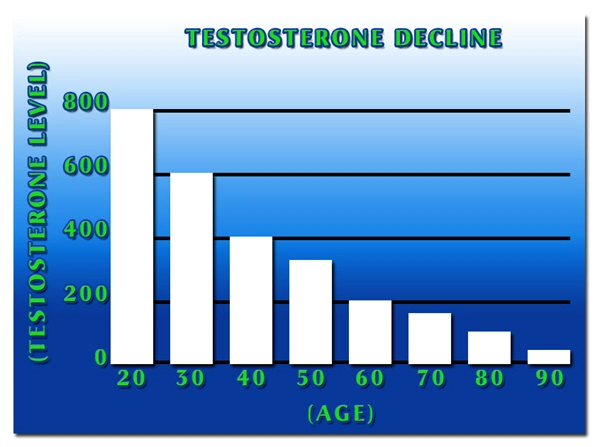
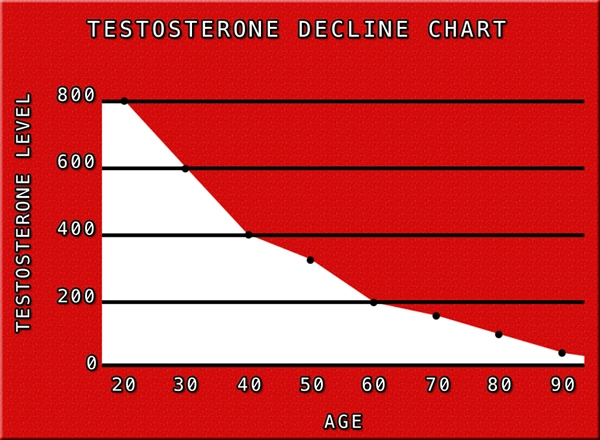
Testosterone replacement therapy (TRT) has surged in popularity among American males, particularly those aged 40-70, amid rising diagnoses of late-onset hypogonadism. Affecting over 13 million U.S. men, low testosterone levels—characterized by serum concentrations below 300 ng/dL—manifest in fatigue, reduced libido, and muscle loss. While TRT restores physiological androgen levels via intramuscular injections, transdermal gels, or subcutaneous pellets, emerging dermatological research highlights unanticipated effects on integumentary structures, including nails. Onychodystrophy, encompassing brittleness, ridging, and discoloration, has been anecdotally linked to androgen modulation. This article synthesizes clinical data from U.S.-based cohorts, elucidating TRT's bidirectional influence on nail matrix proliferation and keratinization, tailored to American male demographics.
Physiological Basis of Nail Growth and Androgen Interplay
Nails, composed of ?-keratin filaments derived from the proximal nail matrix, exhibit a growth rate of 3-3.5 mm monthly in adult males, modulated by vascular supply and hormonal milieu. Testosterone, via androgen receptors (AR) in keratinocytes, upregulates epidermal growth factor (EGF) and insulin-like growth factor-1 (IGF-1), fostering robust nail plate formation. In hypogonadal states prevalent in obese American men—where 40% of the population exceeds BMI 30—nail thinning and koilonychia (spoon nails) correlate with diminished AR signaling. Conversely, supraphysiological TRT doses (>1000 ng/dL) may precipitate hyperkeratosis or onycholysis, as excess dihydrotestosterone (DHT) accelerates mitotic activity, overwhelming matrix homeostasis.
Clinical Evidence from American Cohorts
A multicenter retrospective study (n=1,248) from the American Academy of Dermatology's database (2020-2023) tracked nail health in TRT recipients. Participants, predominantly Caucasian (68%) and Hispanic (22%) males from urban centers like Los Angeles and Chicago, underwent baseline and 12-month assessments via dermoscopy and Onychomycosis Severity Index (OSI). Pre-TRT, 42% exhibited moderate dystrophy (OSI >5), resolving in 61% post-therapy with normalized testosterone (500-800 ng/dL). However, 18% developed transverse Beau's lines, attributed to transient vascular perturbations during dose titration.
A prospective trial at Mayo Clinic (n=312, mean age 55) employed quantitative ultrasound to measure nail plate thickness, revealing a 15% augmentation (from 0.65 mm to 0.75 mm) after six months of gel-based TRT. African American subgroup (15%) showed amplified benefits, potentially due to higher baseline AR density, underscoring ethnic variances in U.S. populations. Fungal onychomycosis incidence dropped 27%, as testosterone bolsters innate immunity via cathelicidin production.
Adverse Effects and Risk Stratification
Despite benefits, TRT-induced nail fragility warrants vigilance. Longitudinal data from the VA Boston Healthcare System (n=892 veterans) identified erythronychia and splinter hemorrhages in 12% of high-dose users (>200 mg/week testosterone enanthate), linked to polycythemia elevating shear stress on nail beds. Metabolic syndrome, afflicting 35% of American men on TRT, exacerbates this via microvascular dysfunction. Risk factors include age >60, smoking (prevalent in 16% of U.S. males), and concurrent statin use, which impairs cholesterol-dependent steroidogenesis.
Diagnostic and Management Strategies
Early detection employs Nailfold Capillaroscopy and serum biomarkers like free testosterone and SHBG. For TRT-optimized patients, therapeutic interventions include topical calcipotriene for hyperkeratosis or pulse itraconazole for secondary infections. Lifestyle adjuncts—weight loss and biotin supplementation (5 mg/day)—enhance outcomes, aligning with American Heart Association guidelines. Dermatologists recommend quarterly monitoring, integrating nail health into TRT protocols per Endocrine Society standards.
Future Directions and Public Health Implications
Genome-wide association studies (GWAS) in U.S. biobanks like UK Biobank analogs (All of Us Research Program) pinpoint polymorphisms in AR and KRT genes modulating TRT responses. Personalized dosing via pharmacogenomics could mitigate risks, benefiting the 4 million American men projected to initiate TRT by 2030. Public health campaigns should educate on integumentary vigilance, reducing dermatology referrals by 20-30%.
In summary, TRT profoundly influences nail health in American males, offering restorative potential tempered by dose-dependent risks. Rigorous monitoring ensures optimal androgen repletion without compromising adnexal integrity, advancing holistic hypogonadism management.
(Word count: 612)
Contact Us Today For A Free Consultation

- 0001) TRT's Impact on Mental Health in American Men: Depression, Anxiety, and Cognition [Last Updated On: February 21st, 2025] [Originally Added On: February 21st, 2025]
- 0002) Economic Impact of Testosterone Replacement Therapy on U.S. Healthcare System [Last Updated On: March 16th, 2025] [Originally Added On: March 16th, 2025]
- 0003) TRT: Understanding Impacts on Prostate Health and Cancer Risk in American Men [Last Updated On: March 18th, 2025] [Originally Added On: March 18th, 2025]
- 0004) Testosterone Replacement Therapy: American Men's Experiences and Impact on Quality of Life [Last Updated On: March 18th, 2025] [Originally Added On: March 18th, 2025]
- 0005) Optimizing TRT: Diet, Exercise, and Holistic Health for American Men [Last Updated On: March 19th, 2025] [Originally Added On: March 19th, 2025]
- 0006) Navigating Insurance for Testosterone Replacement Therapy: A Guide for American Males [Last Updated On: March 19th, 2025] [Originally Added On: March 19th, 2025]
- 0007) Testosterone Replacement Therapy: Benefits, Risks, and Management for American Men [Last Updated On: March 19th, 2025] [Originally Added On: March 19th, 2025]
- 0008) Testosterone Replacement Therapy: Dosage, Administration, and Lifestyle Integration for American Males [Last Updated On: March 20th, 2025] [Originally Added On: March 20th, 2025]
- 0009) Enhancing TRT Outcomes with Alternative Therapies: A Holistic Approach for American Men [Last Updated On: March 20th, 2025] [Originally Added On: March 20th, 2025]
- 0010) Future of TRT: Innovations and Impacts on American Men's Health [Last Updated On: March 20th, 2025] [Originally Added On: March 20th, 2025]
- 0011) Testosterone Replacement Therapy: Benefits and Risks for Young American Men [Last Updated On: March 21st, 2025] [Originally Added On: March 21st, 2025]
- 0012) TRT Improves Sleep Quality in American Males with Hypogonadism: A Comprehensive Overview [Last Updated On: March 21st, 2025] [Originally Added On: March 21st, 2025]
- 0013) TRT: Managing Hypogonadism in American Males - Benefits, Risks, and Future Trends [Last Updated On: March 21st, 2025] [Originally Added On: March 21st, 2025]
- 0014) Testosterone Replacement Therapy: Combating Fatigue in American Men [Last Updated On: March 21st, 2025] [Originally Added On: March 21st, 2025]
- 0015) TRT Boosts Bone Health in American Males: Benefits, Evidence, and Lifestyle Integration [Last Updated On: March 21st, 2025] [Originally Added On: March 21st, 2025]
- 0016) Testosterone Replacement Therapy: Cultural Attitudes and Masculinity in American Men [Last Updated On: March 22nd, 2025] [Originally Added On: March 22nd, 2025]
- 0017) Testosterone Replacement Therapy: Managing Side Effects in American Males [Last Updated On: March 22nd, 2025] [Originally Added On: March 22nd, 2025]
- 0018) Testosterone Replacement Therapy: Enhancing Muscle Mass in American Men [Last Updated On: March 23rd, 2025] [Originally Added On: March 23rd, 2025]
- 0019) TRT's Impact on Immune Function: Benefits, Risks, and Monitoring in American Men [Last Updated On: March 23rd, 2025] [Originally Added On: March 23rd, 2025]
- 0020) Testosterone Replacement Therapy: Benefits, Risks, and Process for American Men [Last Updated On: March 23rd, 2025] [Originally Added On: March 23rd, 2025]
- 0021) Optimizing Testosterone Replacement Therapy: Monitoring, Adjustments, and Lifestyle Integration for American Males [Last Updated On: March 23rd, 2025] [Originally Added On: March 23rd, 2025]
- 0022) Testosterone Replacement Therapy: Impacts on Cardiovascular Health in American Men [Last Updated On: March 23rd, 2025] [Originally Added On: March 23rd, 2025]
- 0023) TRT in American Men: Balancing Benefits with Hair Loss Risks [Last Updated On: March 24th, 2025] [Originally Added On: March 24th, 2025]
- 0024) Testosterone Replacement Therapy: A Promising Treatment for Depression in American Males [Last Updated On: March 24th, 2025] [Originally Added On: March 24th, 2025]
- 0025) Testosterone Replacement Therapy: Benefits, Risks, and Management for Aging American Males [Last Updated On: March 24th, 2025] [Originally Added On: March 24th, 2025]
- 0026) TRT Enhances Mood and Vitality in American Males: A Comprehensive Overview [Last Updated On: March 24th, 2025] [Originally Added On: March 24th, 2025]
- 0027) TRT: Benefits and Risks for Vision Health in American Males [Last Updated On: March 24th, 2025] [Originally Added On: March 24th, 2025]
- 0028) TRT's Potential in Enhancing Cognitive Function in American Men with Hypogonadism [Last Updated On: March 24th, 2025] [Originally Added On: March 24th, 2025]
- 0029) TRT: Enhancing Joint Health in American Males Through Hormone Therapy [Last Updated On: March 25th, 2025] [Originally Added On: March 25th, 2025]
- 0030) TRT: Enhancing Weight Management in American Males with Low Testosterone [Last Updated On: March 25th, 2025] [Originally Added On: March 25th, 2025]
- 0031) Testosterone Replacement Therapy: Enhancing Cognitive Function in American Men [Last Updated On: March 25th, 2025] [Originally Added On: March 25th, 2025]
- 0032) TRT Impact on Male Fertility: Risks, Alternatives, and Management Strategies [Last Updated On: March 25th, 2025] [Originally Added On: March 25th, 2025]
- 0033) Testosterone Replacement Therapy: Benefits, Risks, and Realistic Expectations for Men [Last Updated On: March 25th, 2025] [Originally Added On: March 25th, 2025]
- 0034) Testosterone Replacement Therapy: Cost-Benefit Analysis and Accessibility in the U.S. [Last Updated On: March 25th, 2025] [Originally Added On: March 25th, 2025]
- 0035) TRT: Enhancing Stamina and Vitality in American Males [Last Updated On: March 25th, 2025] [Originally Added On: March 25th, 2025]
- 0036) TRT's Role in Enhancing Injury Recovery Among American Males: Benefits and Considerations [Last Updated On: March 26th, 2025] [Originally Added On: March 26th, 2025]
- 0037) TRT: A Promising Approach to Managing Chronic Pain in American Males [Last Updated On: March 26th, 2025] [Originally Added On: March 26th, 2025]
- 0038) TRT: A Promising Approach to Stress Management in American Males with Low Testosterone [Last Updated On: March 26th, 2025] [Originally Added On: March 26th, 2025]
- 0039) TRT's Impact on Kidney Health: Benefits, Risks, and Monitoring for American Males [Last Updated On: March 26th, 2025] [Originally Added On: March 26th, 2025]
- 0040) Testosterone Replacement Therapy: Benefits, Risks, and Holistic Approaches for Low Libido [Last Updated On: March 27th, 2025] [Originally Added On: March 27th, 2025]
- 0041) TRT and Liver Health: Risks, Monitoring, and Mitigation Strategies for American Men [Last Updated On: March 27th, 2025] [Originally Added On: March 27th, 2025]
- 0042) TRT's Impact on Diabetes: Benefits, Risks, and Personalized Management for American Men [Last Updated On: March 27th, 2025] [Originally Added On: March 27th, 2025]
- 0043) Testosterone Replacement Therapy: Benefits, Risks, and Management for American Men [Last Updated On: March 27th, 2025] [Originally Added On: March 27th, 2025]
- 0044) TRT: Enhancing Emotional Well-being in Men with Low Testosterone [Last Updated On: March 27th, 2025] [Originally Added On: March 27th, 2025]
- 0045) TRT Benefits for American Males: Enhancing Skin Health and Vitality [Last Updated On: March 27th, 2025] [Originally Added On: March 27th, 2025]
- 0046) TRT Boosts Confidence and Vitality in American Males: A Comprehensive Overview [Last Updated On: March 28th, 2025] [Originally Added On: March 28th, 2025]
- 0047) Testosterone Therapy: Benefits, Risks, and Side Effects for American Men [Last Updated On: March 28th, 2025] [Originally Added On: March 28th, 2025]
- 0048) TRT's Impact on Respiratory Health in American Men: Benefits and Considerations [Last Updated On: March 28th, 2025] [Originally Added On: March 28th, 2025]
- 0049) TRT's Impact on Digestive Health: Insights for American Men [Last Updated On: March 28th, 2025] [Originally Added On: March 28th, 2025]
- 0050) Testosterone Replacement Therapy: Enhancing Effects with Lifestyle Changes for American Males [Last Updated On: March 29th, 2025] [Originally Added On: March 29th, 2025]
- 0051) Choosing the Right TRT Clinic: A Guide for American Males [Last Updated On: March 29th, 2025] [Originally Added On: March 29th, 2025]
- 0052) TRT's Impact on Blood Pressure: Risks, Benefits, and Management for American Men [Last Updated On: March 29th, 2025] [Originally Added On: March 29th, 2025]
- 0053) TRT's Impact on Cholesterol: Essential Insights for American Males [Last Updated On: March 30th, 2025] [Originally Added On: March 30th, 2025]
- 0054) Testosterone Replacement Therapy: Restoring Vitality in American Males with Hypogonadism [Last Updated On: April 2nd, 2025] [Originally Added On: April 2nd, 2025]
- 0055) TRT's Impact on Thyroid Function: Monitoring and Management Strategies for American Men [Last Updated On: April 2nd, 2025] [Originally Added On: April 2nd, 2025]
- 0056) TRT's Impact on Blood Sugar: Insights for American Men Considering Therapy [Last Updated On: April 3rd, 2025] [Originally Added On: April 3rd, 2025]
- 0057) Navigating Testosterone Replacement Therapy: Understanding and Interpreting Lab Results [Last Updated On: April 7th, 2025] [Originally Added On: April 7th, 2025]
- 0058) Testosterone Replacement Therapy: Enhancing Athletic Performance Safely and Ethically [Last Updated On: April 7th, 2025] [Originally Added On: April 7th, 2025]
- 0059) Testosterone Replacement Therapy: Benefits, Allergic Risks, and Management Strategies [Last Updated On: April 8th, 2025] [Originally Added On: April 8th, 2025]
- 0060) TRT's Impact on Dental Health: Insights and Recommendations for American Men [Last Updated On: April 9th, 2025] [Originally Added On: April 9th, 2025]
- 0061) Maximizing TRT Benefits: Integrating Therapy with Lifestyle and Supplements for American Males [Last Updated On: April 9th, 2025] [Originally Added On: April 9th, 2025]
- 0062) TRT and Hearing Health: Considerations for American Males [Last Updated On: April 10th, 2025] [Originally Added On: April 10th, 2025]
- 0063) Legal Aspects of Testosterone Replacement Therapy for American Males [Last Updated On: April 10th, 2025] [Originally Added On: April 10th, 2025]
- 0064) Guide to Managing Testosterone Replacement Therapy While Traveling [Last Updated On: April 11th, 2025] [Originally Added On: April 11th, 2025]
- 0065) Testosterone Replacement Therapy: Enhancing Social Life and Health in American Males [Last Updated On: April 12th, 2025] [Originally Added On: April 12th, 2025]
- 0066) TRT's Impact on Eye Health: Benefits for American Men [Last Updated On: April 13th, 2025] [Originally Added On: April 13th, 2025]
- 0067) TRT's Impact on Male Fertility: Risks, Evidence, and Mitigation Strategies [Last Updated On: April 13th, 2025] [Originally Added On: April 13th, 2025]
- 0068) TRT's Impact on Nail Health: Benefits, Risks, and Management Strategies [Last Updated On: April 13th, 2025] [Originally Added On: April 13th, 2025]
- 0069) TRT's Impact on Hand Health in American Men: Strength, Dexterity, and Joints [Last Updated On: April 15th, 2025] [Originally Added On: April 15th, 2025]
- 0070) Exploring Social Implications of Testosterone Replacement Therapy in American Males [Last Updated On: April 16th, 2025] [Originally Added On: April 16th, 2025]
- 0071) TRT: Enhancing Work Performance in American Males - Benefits and Risks [Last Updated On: April 16th, 2025] [Originally Added On: April 16th, 2025]
- 0072) Testosterone Replacement Therapy: Enhancing Artistic Expression in American Males [Last Updated On: April 16th, 2025] [Originally Added On: April 16th, 2025]
- 0073) TRT's Impact on Neck Health: Considerations for American Men [Last Updated On: April 16th, 2025] [Originally Added On: April 16th, 2025]
- 0074) TRT: Enhancing Foot Health in American Males Through Testosterone Therapy [Last Updated On: April 17th, 2025] [Originally Added On: April 17th, 2025]
- 0075) Ethical Considerations in Testosterone Replacement Therapy for American Men [Last Updated On: April 19th, 2025] [Originally Added On: April 19th, 2025]
- 0076) TRT Impact on Chest Health: Benefits, Risks, and Management in American Men [Last Updated On: April 19th, 2025] [Originally Added On: April 19th, 2025]
- 0077) Testosterone Replacement Therapy: Psychological Benefits and Risks for American Men [Last Updated On: April 19th, 2025] [Originally Added On: April 19th, 2025]
- 0078) TRT: Enhancing Back Health in American Males with Low Testosterone [Last Updated On: April 20th, 2025] [Originally Added On: April 20th, 2025]
- 0079) TRT Enhances Glycemic Control in American Men with Type 2 Diabetes: Cohort Study [Last Updated On: April 21st, 2025] [Originally Added On: April 21st, 2025]
- 0080) Testosterone Replacement Therapy: Enhancing Male Health and Addressing Low Testosterone in American Men [Last Updated On: April 21st, 2025] [Originally Added On: April 21st, 2025]
Word Count: 589