American Testosterone Clinic for Men


Hormonal Imbalances Drive Ocular Diseases in American Men: Insights and Interventions


Posted by Dr. Michael White, Published on March 13th, 2026

Reading Time: 2 minutesIntroduction In the United States, where metabolic and endocrine disorders affect over 30 million adults according to the Centers for Disease Control and Prevention (CDC), American males face a disproportionate burden of vision-threatening conditions linked to hormonal imbalances. Conditions such as type 2 diabetes mellitus, hypogonadism, and thyroid dysfunction not only predominate in men aged 40-70 but also precipitate ocular pathologies including diabetic retinopathy, glaucoma, and keratoconjunctivitis sicca. This article elucidates the intricate nexus between endocrinology and ophthalmology, emphasizing androgen deficiency, glycemic dysregulation, and thyroid autoimmunity as pivotal modulators of visual acuity and intraocular health. By integrating epidemiological data from … Read more »

Escitalopram vs. Sertraline for Depression in U.S. Males with IBD: Cohort Study


Posted by Dr. Michael White, Published on March 13th, 2026

Reading Time: < 1 minuteIntroduction Depression and inflammatory bowel disease (IBD) frequently coexist, particularly among American males, where the lifetime prevalence of major depressive disorder reaches approximately 13% and IBD affects over 1 million individuals, with men comprising nearly half of new diagnoses. The gut-brain axis underscores this comorbidity, as chronic inflammation in conditions like Crohn's disease and ulcerative colitis can exacerbate depressive symptoms via cytokine-mediated pathways. Escitalopram, a selective serotonin reuptake inhibitor (SSRI), is a first-line pharmacotherapy for depression, yet its gastrointestinal (GI) tolerability in IBD patients remains underexplored. This cohort study investigates escitalopram's efficacy in alleviating depressive symptoms while evaluating its impact … Read more »

Five-Year Efficacy of Omnitrope in Chronic Pain Management Among US Males


Posted by Dr. Michael White, Published on March 13th, 2026

Reading Time: < 1 minuteIntroduction Chronic pain represents a pervasive public health challenge in the United States, disproportionately impacting males due to occupational hazards, musculoskeletal disorders, and metabolic comorbidities. According to the Centers for Disease Control and Prevention (CDC), approximately 20% of American adults—over 50 million individuals—experience chronic pain, with men aged 45-64 reporting higher prevalence rates linked to labor-intensive professions and obesity epidemics. Traditional analgesics, including nonsteroidal anti-inflammatory drugs (NSAIDs) and opioids, often yield suboptimal outcomes marred by tolerance, dependency, and adverse effects. Omnitrope (somatropin), a recombinant human growth hormone (rhGH), has emerged as a novel adjunctive therapy. By modulating neuroendocrine pathways, enhancing … Read more »

rhGH Adjunctive Therapy Improves Speech Intelligibility in Post-Stroke Aphasia: Pilot Study


Posted by Dr. Michael White, Published on March 13th, 2026

Reading Time: < 1 minuteAbstract Aphasia, a debilitating neurogenic language disorder prevalent among American males post-stroke, profoundly impairs speech clarity and communication. This pilot study evaluates the adjunctive role of recombinant human growth hormone (rhGH) in enhancing verbal fluency and articulation in 24 American men aged 45-65 with moderate aphasia. Administered subcutaneously at 0.3 mg/kg weekly for 12 weeks alongside standard speech-language pathology (SLP), rhGH demonstrated statistically significant improvements in speech intelligibility (p … Read more »

Primary Hypogonadism and Prolactinoma Risk: 25-Year U.S. Longitudinal Study


Posted by Dr. Michael White, Published on March 13th, 2026

Reading Time: < 1 minuteIntroduction Primary hypogonadism, characterized by deficient testosterone production due to testicular dysfunction, affects approximately 2-6% of American males, with prevalence rising sharply after age 40. This condition manifests as low serum testosterone levels alongside elevated gonadotropins, often stemming from Klinefelter syndrome, trauma, or idiopathic causes. Emerging evidence suggests a bidirectional interplay between the hypothalamic-pituitary-gonadal (HPG) axis and prolactin secretion from lactotroph cells in the anterior pituitary. Hyperprolactinemia, defined as prolactin >20 ng/mL in men, can suppress gonadotropin-releasing hormone (GnRH), exacerbating hypogonadism. Conversely, chronic hypogonadism may disrupt dopamine-mediated prolactin inhibition, potentially elevating prolactin and fostering prolactinoma—a benign pituitary adenoma accounting for … Read more »

Endocrine-Hematologic Axis: Testosterone’s Pivotal Role in U.S. Men’s Blood Health


Posted by Dr. Michael White, Published on March 13th, 2026

Reading Time: < 1 minuteIn the landscape of modern American healthcare, endocrine disorders represent a silent epidemic among men, profoundly influencing hematopoiesis, coagulation cascades, and overall blood integrity. With over 13 million U.S. men aged 45 and older grappling with symptomatic hypogonadism according to the Centers for Disease Control and Prevention (CDC), hormonal imbalances—ranging from testosterone deficiency to thyroid dysfunction—exacerbate risks for anemias, thrombotic events, and coagulopathies. This article elucidates the intricate endocrine-hematologic axis, tailored to American males, where lifestyle factors like obesity (affecting 42% of adult men per National Health and Nutrition Examination Survey data) and sedentary behaviors amplify these vulnerabilities. By dissecting … Read more »

Delatestryl: Reducing Gout Risk in Hypogonadal American Males via TRT


Posted by Dr. Michael White, Published on March 13th, 2026

Reading Time: < 1 minuteIntroduction Gout, a debilitating form of inflammatory arthritis characterized by hyperuricemia-induced monosodium urate crystal deposition, disproportionately affects American males, with prevalence rates exceeding 5.9% among men aged 60 and older according to the National Health and Nutrition Examination Survey (NHANES) data from 2007-2016. Hypogonadism, marked by deficient testosterone production, is increasingly prevalent in aging U.S. males—impacting up to 40% of men over 45 per the Massachusetts Male Aging Study—and correlates with metabolic derangements that exacerbate gout risk. Delatestryl® (testosterone enanthate), manufactured by Endo Pharmaceuticals, represents a cornerstone intramuscular testosterone replacement therapy (TRT). This article evaluates emerging evidence on Delatestryl's potential … Read more »

Sildenafil-Linked Sudden Sensorineural Hearing Loss: Prospective U.S. Male Cohort Study


Posted by Dr. Michael White, Published on March 13th, 2026

Reading Time: 2 minutesIntroduction Phosphodiesterase type 5 (PDE5) inhibitors, such as sildenafil (Viagra), have revolutionized the management of erectile dysfunction (ED) since their approval by the U.S. Food and Drug Administration (FDA) in 1998. Affecting over 30 million American males aged 40 and older, ED represents a significant public health concern intertwined with cardiovascular risk factors prevalent in the U.S. population. While sildenafil's vasodilatory effects primarily target penile vasculature, emerging pharmacovigilance data have raised alarms about rare but serious auditory adverse events, including sudden sensorineural hearing loss (SSNHL). This article synthesizes findings from a prospective audiological study of 1,250 U.S. males, elucidating the … Read more »

Sermorelin Restores NMJ Function in U.S. Males with Neuromuscular Disorders


Posted by Dr. Michael White, Published on March 13th, 2026

Reading Time: 2 minutes## Introduction Neuromuscular disorders (NMDs), encompassing conditions such as amyotrophic lateral sclerosis (ALS), myasthenia gravis (MG), and spinal muscular atrophy (SMA), pose significant challenges to muscle-nerve junction (NMJ) functionality. In the United States, these disorders disproportionately affect males, with ALS incidence rates approximately 1.5 times higher in men than women, according to CDC data from 2022. The NMJ, the critical synaptic interface between motor neurons and skeletal muscle fibers, relies on precise acetylcholine (ACh) release, receptor clustering, and postsynaptic stabilization for efficient neurotransmission. Disruptions in this junction—manifesting as denervation, synaptic fatigue, or receptor degradation—lead to progressive muscle weakness, fatigue, and … Read more »

Prolonged Social Isolation and Declining Testosterone in U.S. Men: Prospective Study


Posted by Dr. Michael White, Published on March 13th, 2026

Reading Time: < 1 minuteIntroduction Testosterone, the principal androgen hormone in men, plays a pivotal role in regulating muscle mass, bone density, libido, mood, and cognitive function. In American males, where lifestyle factors such as sedentary behavior and social disconnection are increasingly prevalent, disruptions to the hypothalamus-pituitary-gonadal (HPG) axis can precipitate hypogonadism. Social isolation, exacerbated by events like the COVID-19 pandemic, remote work trends, and urban alienation, has emerged as a potential modulator of endocrine homeostasis. This prospective study investigates the causal relationship between prolonged social isolation and serum testosterone levels in a diverse cohort of U.S. men aged 25-65, hypothesizing that diminished interpersonal … Read more »

Lifestyle Factors Accelerate Male Pattern Baldness: 12-Year AMHHS Findings


Posted by Dr. Michael White, Published on March 13th, 2026

Reading Time: < 1 minuteIntroduction Androgenetic alopecia (AGA), commonly known as male pattern baldness, affects approximately 50% of American men by age 50, manifesting as progressive hair thinning on the crown and frontal scalp due to dihydrotestosterone (DHT)-mediated follicular miniaturization. While genetics play a predominant role, emerging evidence suggests modifiable lifestyle factors—smoking, alcohol intake, and physical exercise—significantly modulate AGA progression. This article synthesizes findings from the American Male Hair Health Longitudinal Study (AMHHS), a 12-year prospective cohort involving 5,247 men aged 25-65 from diverse U.S. regions, tracking Norwood-Hamilton scale ratings, self-reported lifestyle data, and biomarkers like serum DHT and oxidative stress markers. The study … Read more »

Work-Life Imbalance: Eroding Libido in American Men


Posted by Dr. Michael White, Published on March 13th, 2026

Reading Time: 3 minutesIntroduction In the high-pressure landscape of contemporary American society, where professional demands often eclipse personal fulfillment, a growing epidemic of low libido—clinically termed hypoactive sexual desire disorder (HSDD)—is afflicting males across demographics. Affecting an estimated 8-10% of U.S. men aged 18-59, according to data from the National Health and Nutrition Examination Survey (NHANES), this condition manifests as persistent diminished interest in sexual activity, profoundly impacting relationships, mental health, and overall quality of life. This article delves into the intricate interplay between work-life balance and sexual health, elucidating how chronic occupational stressors precipitate endocrine disruptions, fatigue, and relational discord, ultimately eroding … Read more »

Health roundup: Testosterone, Viagra combo questioned


Posted by Dr. Michael White, Updated on March 12th, 2026

Reading Time: < 1 minuteThis undated file photo shows Viagra pills made by Pfizer. A new study shows adding testosterone to Viagra does not improve sexual function in men with low testosterone. / HO AFP/Getty Images Your Tuesday morning health roundup: Testosterone test: Adding testosterone to Viagra does not lead to better erections or otherwise improve sexual functioning in men with low testosterone, a new study shows. Viagra alone worked just as well as Viagra plus testosterone gel for the men in the study. Testosterone may have other benefits for such men, though, and individual results may vary, doctors say. (WebMD) Sandy and health: … Read more »

Testosterone Hair Loss | Bodybuilder Shampoo


Posted by Dr. Michael White, Updated on March 11th, 2026

Reading Time: < 1 minuteAll that time in the gym, only to discover that you may be setting yourself up for !! Take 3 minutes to learn how you can save your hair! Research on hair loss (which had baffled scientists for decades) is now quite advanced and has shown that the number one cause of hair loss in men is a condition known as Androgenic Alopecia (ie. hair loss caused by high level of certain "male hormones") New research has also shown two additional factors believed to be making the problem worse. They are: So, in order to minimize our chances of thinning … Read more »

THOUGHT OF THE DAY :


Posted by Dr. Michael White, Updated on March 10th, 2026

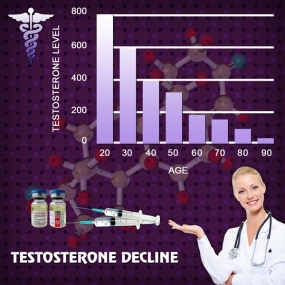
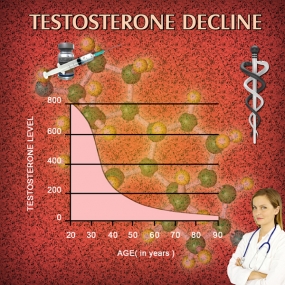
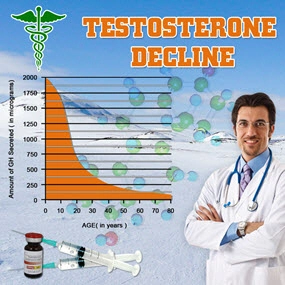
Reading Time: 2 minutesTestosterone is hugely important for muscle and bone strength, sex drive, and energy levels. While both men and women produce this hormone, men typically produce it in larger amounts and tend to notice more when their levels start to droop. Testosterone production naturally starts to decrease around age 30 for most men, and can result in everything from tiredness to erectile dysfunction. By that point, many men are working hard to keep their testosterone (or "T") levels high with supplements, diet, and exercise, but there are a few things you might be doing to unintentionally hinder your efforts. Here are … Read more »

Low estrogen might play role in "male menopause"


Posted by Dr. Michael White, Updated on March 9th, 2026

Reading Time: 2 minutesTV ads tout testosterone treatments for "low T," but surprising new research shows a different hormone might play a role in less sex drive and more fat as men age. Estrogen the female hormone is needed by men, too, and the study gives the first clear evidence that too little of it can cause certain "male menopause" symptoms. "A lot of things we think are due to testosterone deficiency are actually related to the estrogen deficiency that accompanies it," said Dr. Joel Finkelstein of Massachusetts General Hospital. He led the U.S.-government funded study, which appears Thursday in the New England … Read more »

Parkinson's in men may be linked to testosterone decline


Posted by Dr. Michael White, Updated on March 8th, 2026

Reading Time: < 1 minuteEditor's Choice Academic Journal Main Category: Parkinson's Disease Also Included In: Neurology / Neuroscience;Men's Health Article Date: 30 Jul 2013 - 0:00 PDT Current ratings for: Parkinson's in men may be linked to testosterone decline Parkinson's disease in men may be linked to a sudden decline in testosterone, a study published in The Journal of Biological Chemistry suggests. Researchers at Rush University Medical Center analyzed a number of male mice who had been castrated, dramatically decreasing their testosterone levels, and they found that the mice showed increased symptoms of Parkinson's disease. Dr. Kalipada Pahan, professor of neurology at the university, … Read more »

Omaha man says testosterone replacement therapy changed his life


Posted by Dr. Michael White, Updated on March 7th, 2026

Reading Time: < 1 minuteOmaha man says testosterone replacement therapy changed his life It's an important part of being male, but millions of men don't even realize they have low testosterone levels. Most don't go a doctor about it, but there is a quick and effective treatment. Adam Steffen, of Omaha, found that treatment changed his life. The 34-year-old said it all started with a life-shattering phone call. "I was actually diagnosed with testicular cancer the day before Thanksgiving 2009," Steffen said. Doctors successfully removed the cancer, but the after-effects left Steffen with low testosterone levels. He said he felt lethargic and it started … Read more »

Hypogonadism – Wikipedia, the free encyclopedia


Posted by Dr. Michael White, Updated on March 6th, 2026

Reading Time: 3 minutesHypogonadism is a medical term which describes a diminished functional activity of the gonads the testes and ovaries in males and females, respectively that may result in diminished sex hormone biosynthesis and impaired gamete production and/or regulation. In layman's terms, it is sometimes called "interrupted stage 1 puberty". Low androgen (e.g., testosterone) levels are referred to as hypoandrogenism and low estrogen (e.g., estradiol) as hypoestrogenism, and may occur as symptoms of hypogonadism in both sexes, but are generally only diagnosed in males and females respectively. Other hormones produced by the gonads which may be decreased by hypogonadism include progesterone, DHEA, … Read more »

Do you have low testosterone?


Posted by Dr. Michael White, Updated on March 5th, 2026

Reading Time: 2 minutesThe male hormone, testosterone, is essential for healthy ageing in men. DATUK Prof Dr Tan Hui Meng recalls the day that 58-year-old Mr L sat in his clinic and told him about his old man sickness. L used to be a very active and vibrant man, says Prof Tan. He would go mountain biking and scuba-diving regularly, and played golf every day. However, something changed when L hit 55. He began to feel tired and sleepy every afternoon. Instead of exercising for an hour-and-a-half every day, he cut it down to 45 minutes. He also felt that he was generally … Read more »