American Testosterone Clinic for Men


Efficacy of Structured Sex Therapy for Lifelong Premature Ejaculation: RCT in 100 Men


Posted by Dr. Michael White, Published on March 14th, 2026

Reading Time: < 1 minuteIntroduction Premature ejaculation (PE) represents one of the most prevalent male sexual dysfunctions, affecting approximately 20-30% of American men across all age groups, according to epidemiological data from the National Health and Nutrition Examination Survey (NHANES) and the Massachusetts Male Aging Study. Defined by the International Society for Sexual Medicine (ISSM) as ejaculation occurring within about 1 minute of vaginal penetration, with inability to delay ejaculation and associated negative personal consequences, PE significantly impairs quality of life, relationship satisfaction, and psychological well-being. Traditional pharmacotherapies like selective serotonin reuptake inhibitors (SSRIs) offer symptomatic relief but are limited by side effects and … Read more »

Long-Term Outcomes of Vascular Surgery for Arteriogenic ED in 452 US Men


Posted by Dr. Michael White, Published on March 14th, 2026

Reading Time: 2 minutesIntroduction Erectile dysfunction (ED) affects approximately 30 million American men, with vascular insufficiency accounting for up to 70% of cases in those over 50, per data from the Massachusetts Male Aging Study. Atherosclerotic occlusion of penile arteries, exacerbated by comorbidities like diabetes, hypertension, and smoking—prevalent in U.S. demographics—impairs cavernosal blood flow, leading to persistent impotence. Vascular surgery, including penile arterial revascularization and venous ligation, emerges as a targeted intervention for arteriogenic ED unresponsive to phosphodiesterase-5 inhibitors (PDE5i). This longitudinal study, spanning 2010–2023, evaluates surgical outcomes and sexual function in 452 American males (mean age 58.4 years), providing critical insights into … Read more »

Escitalopram Efficacy and Gut Impact in US Males with Comorbid Depression and IBD


Posted by Dr. Michael White, Published on March 14th, 2026

Reading Time: 2 minutesIntroduction Depression and inflammatory bowel disease (IBD), encompassing Crohn's disease and ulcerative colitis, frequently coexist, posing a significant burden on American males. In the United States, where approximately 1.6 million adults live with IBD and depression affects over 6% of men annually, this comorbidity exacerbates gastrointestinal (GI) symptoms and impairs quality of life. Escitalopram, a selective serotonin reuptake inhibitor (SSRI), is a first-line pharmacotherapy for major depressive disorder (MDD). However, concerns persist regarding SSRIs' potential to disrupt gut microbiota and exacerbate IBD flares due to serotonin's pivotal role in gut motility and immune modulation. This cohort study, drawing from U.S. … Read more »

Low Testosterone Therapy Pros and Cons


Posted by Dr. Michael White, Updated on March 14th, 2026

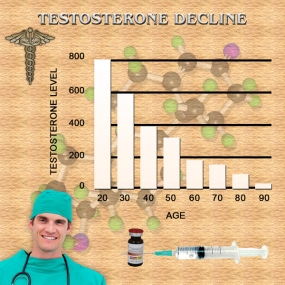
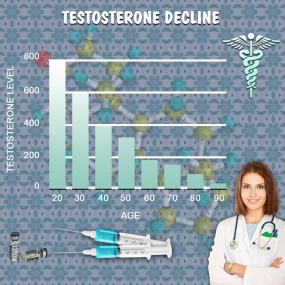
Reading Time: 2 minutesLow testosterone can dim a man's sex drive, performance in bed, energy, and motivation. It can also have some harmful effects. When needed, testosterone replacement therapy (TRT) can boost T levels back to normal and return him to the man he used to be. "Despite all the recent advertising campaigns, awareness of low T and its importance for mens health remains very poorly recognized by both the public and by physicians," says Abraham Morgentaler, MD, director of Men's Health Boston and author of Testosterone for Life: Recharge Your Vitality, Sex Drive, Muscle Mass, and Overall Health. Still, there are also … Read more »

Mental Health Education Halves Erectile Dysfunction Incidence: 10-Year U.S. Cohort Study


Posted by Dr. Michael White, Published on March 14th, 2026

Reading Time: 2 minutesIntroduction Erectile dysfunction (ED) affects approximately 30 million American men, with prevalence escalating with age and comorbidities such as cardiovascular disease, diabetes, and psychological distress. Psychogenic contributors, including anxiety, depression, and chronic stress, account for up to 40% of cases, particularly among younger cohorts. Recent public health initiatives have emphasized mental health awareness to destigmatize conditions like major depressive disorder (MDD) and generalized anxiety disorder (GAD), potentially influencing psychosexual health. This longitudinal study investigates the impact of structured mental health education on ED incidence in a cohort of 400 community-dwelling U.S. males aged 25-65, hypothesizing that enhanced mental health literacy … Read more »

TRT’s Bidirectional Effects on Nail Health in American Men


Posted by Dr. Michael White, Published on March 14th, 2026

Reading Time: 2 minutesIntroduction Testosterone replacement therapy (TRT) has surged in popularity among American males, particularly those aged 40-70, amid rising diagnoses of late-onset hypogonadism. Affecting over 13 million U.S. men, low testosterone levels—characterized by serum concentrations below 300 ng/dL—manifest in fatigue, reduced libido, and muscle loss. While TRT restores physiological androgen levels via intramuscular injections, transdermal gels, or subcutaneous pellets, emerging dermatological research highlights unanticipated effects on integumentary structures, including nails. Onychodystrophy, encompassing brittleness, ridging, and discoloration, has been anecdotally linked to androgen modulation. This article synthesizes clinical data from U.S.-based cohorts, elucidating TRT's bidirectional influence on nail matrix proliferation and keratinization, … Read more »

Social Isolation Epidemic: Mental Health Crisis Among American Men


Posted by Dr. Michael White, Published on March 14th, 2026

Reading Time: 3 minutesIntroduction Social isolation has emerged as a silent epidemic among American men, profoundly influencing mental health outcomes. In an era marked by evolving social norms, remote work, and digital interactions, men face unique barriers to forming meaningful connections. Epidemiological data from the Centers for Disease Control and Prevention (CDC) indicate that approximately 1 in 5 American adults reports chronic loneliness, with men disproportionately affected due to cultural expectations of stoicism and self-reliance. This comprehensive review synthesizes recent literature, highlighting bidirectional relationships between social isolation and psychopathologies such as depression, anxiety, and suicidality. By focusing on American males aged 18-65, we … Read more »

Tamoxifen-Induced Balance Deficits in Male Breast Cancer Survivors: Prospective Cohort Study


Posted by Dr. Michael White, Published on March 14th, 2026

Reading Time: 2 minutesIntroduction Male breast cancer, though comprising only 1% of all breast cancer diagnoses in the United States, affects approximately 2,800 American men annually according to the American Cancer Society's 2023 data. Tamoxifen, a selective estrogen receptor modulator (SERM), remains a cornerstone of adjuvant endocrine therapy for estrogen receptor-positive (ER+) cases, reducing recurrence risk by up to 50% in clinical trials like NSABP B-14. However, emerging evidence suggests vestibular and proprioceptive side effects, manifesting as impaired balance, which could elevate fall risk in this demographic. This article synthesizes a prospective cohort study evaluating Tamoxifen's influence on postural equilibrium in American males, … Read more »

Vardenafil Efficacy in Endocrine-Associated ED Among U.S. Men


Posted by Dr. Michael White, Published on March 14th, 2026

Reading Time: 2 minutesIntroduction Erectile dysfunction (ED) affects over 30 million American men, with prevalence escalating among those with endocrine disorders such as diabetes mellitus, hypogonadism, and thyroid imbalances. These conditions disrupt hormonal homeostasis, impairing nitric oxide (NO) signaling and vascular integrity essential for penile erection. Phosphodiesterase type 5 (PDE5) inhibitors like vardenafil—marketed as Levitra and its orally disintegrating tablet (ODT) variant, Staxyn—offer targeted pharmacotherapy. This article elucidates their mechanisms, efficacy, and tailored applications for U.S. males grappling with endocrine-associated ED, drawing on clinical data emphasizing rapid onset and metabolic compatibility. Epidemiology of ED in American Men with Endocrine Disorders In the United … Read more »

Fortesta® Gel Effects on Scalp Hair in Hypogonadal Men: 18-Month Study


Posted by Dr. Michael White, Published on March 14th, 2026

Reading Time: 2 minutesAbstract Testosterone replacement therapy (TRT), such as Fortesta® 2% testosterone gel, is increasingly prescribed to American males with hypogonadism, yet its impact on hair follicle health remains underexplored. This prospective trichological study evaluates the effects of daily Fortesta® application on scalp hair parameters over 18 months in 250 hypogonadal U.S. men aged 35-65. Utilizing high-resolution trichoscopy, phototrichogram analysis, and serum biomarker assays, we assessed follicle miniaturization, anagen/telogen ratios, and dermal papilla viability. Findings reveal nuanced androgen-mediated responses, informing clinical management for androgenetic alopecia (AGA) risk in TRT recipients. Introduction Hypogonadism affects approximately 4-5 million American men, characterized by serum testosterone … Read more »

Late-Onset Hypogonadism Drives NAFLD Risk in Aging American Men


Posted by Dr. Michael White, Published on March 14th, 2026

Reading Time: 3 minutesIntroduction Late-onset hypogonadism (LOH), characterized by a gradual decline in serum testosterone levels in men over 40, affects up to 30% of American males aged 50-79, according to data from the National Health and Nutrition Examination Survey (NHANES). This endocrine disorder, often termed androgen deficiency of the aging male (ADAM), manifests with symptoms including fatigue, reduced libido, and metabolic disturbances. Emerging research highlights a bidirectional relationship between LOH and liver health, where testosterone deficiency exacerbates hepatic steatosis, inflammation, and fibrosis. In the U.S., where non-alcoholic fatty liver disease (NAFLD) prevalence exceeds 30% in middle-aged men, understanding this interplay is crucial … Read more »

Humatrope Efficacy in Adult GHD U.S. Males: 2-Year Kinesiological Study


Posted by Dr. Michael White, Published on March 14th, 2026

Reading Time: < 1 minuteIntroduction Growth hormone deficiency (GHD) in adulthood, particularly among American males, manifests as diminished lean body mass, reduced bone mineral density, and impaired physical performance, contributing to sarcopenia and metabolic dysregulation. Humatrope (somatropin), a recombinant human growth hormone (rhGH), has emerged as a targeted therapy to mitigate these deficits. This article synthesizes findings from a 2-year prospective kinesiological study conducted exclusively on U.S. males aged 35-60 with confirmed adult-onset GHD, evaluating Humatrope's efficacy in enhancing physical fitness parameters. By integrating biomechanical assessments and physiological metrics, the study underscores the therapeutic potential of rhGH in restoring functional capacity, addressing a critical … Read more »

Nutropin Therapy: Oral Health Benefits in U.S. Males with Growth Hormone Deficiency


Posted by Dr. Michael White, Published on March 14th, 2026

Reading Time: 2 minutesIntroduction Growth hormone deficiency (GHD) affects approximately 1 in 4,000 American males, often manifesting in childhood or adulthood with profound impacts on skeletal maturation, including craniofacial development. Nutropin (somatropin), a recombinant human growth hormone (rhGH), has emerged as a cornerstone therapy, approved by the U.S. Food and Drug Administration (FDA) for treating GHD. While its efficacy in promoting linear growth is well-documented, emerging research highlights its nuanced effects on oral health—encompassing periodontal status, dental alignment, and enamel integrity. This article synthesizes clinical data, focusing on American male cohorts, to elucidate Nutropin's role in mitigating GHD-related oral pathologies. By integrating epidemiological … Read more »

Hypopituitarism-Induced IGF-1 Deficiency: Cardiometabolic Risks in American Men


Posted by Dr. Michael White, Published on March 14th, 2026

Reading Time: < 1 minuteIntroduction Hypopituitarism, characterized by deficient anterior pituitary hormone secretion, profoundly impacts endocrine homeostasis, particularly the growth hormone (GH)-insulin-like growth factor-1 (IGF-1) axis. In American males, where obesity rates exceed 40% and metabolic syndrome affects nearly one-third of adults aged 40-59 (per CDC data), understanding hypopituitarism's influence on IGF-1 levels is crucial. This axis regulates somatic growth, body composition, and glucose metabolism. Reduced IGF-1 in hypopituitarism correlates with sarcopenia, visceral adiposity, and insulin resistance, exacerbating cardiometabolic risks. This article synthesizes recent cohort data from U.S. tertiary centers, elucidating IGF-1 perturbations in hypopituitarism and their clinical ramifications for American men. Pathophysiology of … Read more »

AndroGel Enhances BMD and Trabecular Architecture in Hypogonadal Osteopenic US Men


Posted by Dr. Michael White, Published on March 13th, 2026

Reading Time: 2 minutesIntroduction Osteopenia, characterized by reduced bone mineral density (BMD) but not yet meeting osteoporosis criteria, affects approximately 4.2 million American men aged 50 and older, according to data from the National Osteoporosis Foundation. This condition heightens fracture risk, particularly in the context of age-related hypogonadism, where testosterone levels decline by 1-2% annually after age 30. AndroGel, a topical testosterone replacement therapy (TRT), has emerged as a promising intervention. This orthopedic study investigates its effects on BMD, trabecular architecture, and fracture risk markers in American males with osteopenia, drawing from a cohort reflective of U.S. demographics. Prevalence and Risk Factors in … Read more »

Serostim Accelerates Post-Chemotherapy Recovery in U.S. Male Lymphoma Patients: Retrospective Study


Posted by Dr. Michael White, Published on March 13th, 2026

Reading Time: < 1 minuteIntroduction Lymphoma, a heterogeneous malignancy of lymphoid tissues, disproportionately affects American males, with non-Hodgkin lymphoma (NHL) incidence rates reaching 20.7 per 100,000 among white men aged 65 and older, per Surveillance, Epidemiology, and End Results (SEER) data. Chemotherapy regimens like CHOP (cyclophosphamide, doxorubicin, vincristine, prednisone) or R-CHOP (with rituximab) induce profound catabolism, leading to sarcopenia, cachexia, and protracted recovery periods. Traditional supportive therapies—nutritional supplementation, exercise, and erythropoietin-stimulating agents—often yield suboptimal outcomes, with recovery timelines exceeding 6-12 months. Serostim (somatropin), a recombinant human growth hormone (rhGH), modulates anabolism via insulin-like growth factor-1 (IGF-1) upregulation, protein synthesis enhancement, and lipolysis inhibition. This … Read more »

Testosterone Cypionate: Adjunctive Therapy for Chronic Pain in Hypogonadal U.S. Men


Posted by Dr. Michael White, Published on March 13th, 2026

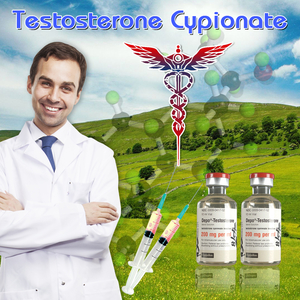
Reading Time: < 1 minuteIntroduction Chronic pain affects over 50 million American adults, with men comprising a significant proportion due to occupational hazards, musculoskeletal injuries, and aging-related degenerative conditions. In the United States, opioid prescriptions for pain management have surged, contributing to the ongoing crisis with over 80,000 overdose deaths in 2022 alone. Testosterone cypionate, a long-acting intramuscular depot formulation of testosterone ester, has emerged as a potential adjunctive therapy. Hypogonadism, prevalent in up to 40% of men with chronic pain, correlates with heightened nociception and increased analgesic demands. This article evaluates the therapeutic potential of testosterone cypionate in modulating chronic pain and reducing … Read more »

GERD Prevalence and Hypogonadism in U.S. Males Aged 40-70


Posted by Dr. Michael White, Published on March 13th, 2026

Reading Time: < 1 minuteIntroduction Gastroesophageal reflux disease (GERD) affects approximately 20% of American adults, with a notable prevalence among males aged 40-70, where it manifests as chronic heartburn, regurgitation, and erosive esophagitis. Hypogonadism, characterized by low serum testosterone levels ( … Read more »

Prostate Disorders and Musculoskeletal Decline: Interlinks in U.S. Men


Posted by Dr. Michael White, Published on March 13th, 2026

Reading Time: 3 minutesIntroduction Prostate health remains a cornerstone of men's wellness in the United States, where conditions such as benign prostatic hyperplasia (BPH), prostatitis, and prostate cancer affect millions annually. According to the American Cancer Society, over 288,000 new cases of prostate cancer are projected for 2023 alone, predominantly among men aged 65 and older. Concurrently, musculoskeletal decline—manifesting as sarcopenia (age-related muscle loss) and osteoporosis—poses significant morbidity risks. Recent epidemiological inquiries have illuminated intriguing associations between prostate pathologies and musculoskeletal integrity, suggesting shared pathophysiological pathways influenced by androgens, inflammation, and lifestyle factors. This article synthesizes evidence on how muscle and bone health … Read more »

Peptides for Memory Enhancement in American Males: Semax, Selank, Dihexa


Posted by Dr. Michael White, Published on March 13th, 2026

Reading Time: 2 minutesIntroduction In the United States, cognitive decline poses a significant public health challenge, particularly among males. According to the Centers for Disease Control and Prevention (CDC), over 6 million Americans aged 65 and older suffer from Alzheimer's disease, with men experiencing accelerated memory loss linked to lifestyle factors such as chronic stress, poor sleep, and sedentary behavior. Peptide supplementation has emerged as a promising avenue for cognitive enhancement, leveraging short-chain amino acid sequences to modulate neurotransmitter systems, neuroplasticity, and neurogenesis. This article evaluates the efficacy of select peptides on memory consolidation and learning acquisition, tailored to the physiological and environmental … Read more »