American Testosterone Clinic for Men


Late-Onset Hypogonadism Drives NAFLD Risk in Aging American Men


Posted by Dr. Michael White, Published on March 14th, 2026

Reading Time: 3 minutesIntroduction Late-onset hypogonadism (LOH), characterized by a gradual decline in serum testosterone levels in men over 40, affects up to 30% of American males aged 50-79, according to data from the National Health and Nutrition Examination Survey (NHANES). This endocrine disorder, often termed androgen deficiency of the aging male (ADAM), manifests with symptoms including fatigue, reduced libido, and metabolic disturbances. Emerging research highlights a bidirectional relationship between LOH and liver health, where testosterone deficiency exacerbates hepatic steatosis, inflammation, and fibrosis. In the U.S., where non-alcoholic fatty liver disease (NAFLD) prevalence exceeds 30% in middle-aged men, understanding this interplay is crucial … Read more »
Humatrope Efficacy in Adult GHD U.S. Males: 2-Year Kinesiological Study


Posted by Dr. Michael White, Published on March 14th, 2026

Reading Time: < 1 minuteIntroduction Growth hormone deficiency (GHD) in adulthood, particularly among American males, manifests as diminished lean body mass, reduced bone mineral density, and impaired physical performance, contributing to sarcopenia and metabolic dysregulation. Humatrope (somatropin), a recombinant human growth hormone (rhGH), has emerged as a targeted therapy to mitigate these deficits. This article synthesizes findings from a 2-year prospective kinesiological study conducted exclusively on U.S. males aged 35-60 with confirmed adult-onset GHD, evaluating Humatrope's efficacy in enhancing physical fitness parameters. By integrating biomechanical assessments and physiological metrics, the study underscores the therapeutic potential of rhGH in restoring functional capacity, addressing a critical … Read more »

Nutropin Therapy: Oral Health Benefits in U.S. Males with Growth Hormone Deficiency


Posted by Dr. Michael White, Published on March 14th, 2026

Reading Time: 2 minutesIntroduction Growth hormone deficiency (GHD) affects approximately 1 in 4,000 American males, often manifesting in childhood or adulthood with profound impacts on skeletal maturation, including craniofacial development. Nutropin (somatropin), a recombinant human growth hormone (rhGH), has emerged as a cornerstone therapy, approved by the U.S. Food and Drug Administration (FDA) for treating GHD. While its efficacy in promoting linear growth is well-documented, emerging research highlights its nuanced effects on oral health—encompassing periodontal status, dental alignment, and enamel integrity. This article synthesizes clinical data, focusing on American male cohorts, to elucidate Nutropin's role in mitigating GHD-related oral pathologies. By integrating epidemiological … Read more »

Hypopituitarism-Induced IGF-1 Deficiency: Cardiometabolic Risks in American Men


Posted by Dr. Michael White, Published on March 14th, 2026

Reading Time: < 1 minuteIntroduction Hypopituitarism, characterized by deficient anterior pituitary hormone secretion, profoundly impacts endocrine homeostasis, particularly the growth hormone (GH)-insulin-like growth factor-1 (IGF-1) axis. In American males, where obesity rates exceed 40% and metabolic syndrome affects nearly one-third of adults aged 40-59 (per CDC data), understanding hypopituitarism's influence on IGF-1 levels is crucial. This axis regulates somatic growth, body composition, and glucose metabolism. Reduced IGF-1 in hypopituitarism correlates with sarcopenia, visceral adiposity, and insulin resistance, exacerbating cardiometabolic risks. This article synthesizes recent cohort data from U.S. tertiary centers, elucidating IGF-1 perturbations in hypopituitarism and their clinical ramifications for American men. Pathophysiology of … Read more »

AndroGel Enhances BMD and Trabecular Architecture in Hypogonadal Osteopenic US Men


Posted by Dr. Michael White, Published on March 13th, 2026

Reading Time: 2 minutesIntroduction Osteopenia, characterized by reduced bone mineral density (BMD) but not yet meeting osteoporosis criteria, affects approximately 4.2 million American men aged 50 and older, according to data from the National Osteoporosis Foundation. This condition heightens fracture risk, particularly in the context of age-related hypogonadism, where testosterone levels decline by 1-2% annually after age 30. AndroGel, a topical testosterone replacement therapy (TRT), has emerged as a promising intervention. This orthopedic study investigates its effects on BMD, trabecular architecture, and fracture risk markers in American males with osteopenia, drawing from a cohort reflective of U.S. demographics. Prevalence and Risk Factors in … Read more »

Serostim Accelerates Post-Chemotherapy Recovery in U.S. Male Lymphoma Patients: Retrospective Study


Posted by Dr. Michael White, Published on March 13th, 2026

Reading Time: < 1 minuteIntroduction Lymphoma, a heterogeneous malignancy of lymphoid tissues, disproportionately affects American males, with non-Hodgkin lymphoma (NHL) incidence rates reaching 20.7 per 100,000 among white men aged 65 and older, per Surveillance, Epidemiology, and End Results (SEER) data. Chemotherapy regimens like CHOP (cyclophosphamide, doxorubicin, vincristine, prednisone) or R-CHOP (with rituximab) induce profound catabolism, leading to sarcopenia, cachexia, and protracted recovery periods. Traditional supportive therapies—nutritional supplementation, exercise, and erythropoietin-stimulating agents—often yield suboptimal outcomes, with recovery timelines exceeding 6-12 months. Serostim (somatropin), a recombinant human growth hormone (rhGH), modulates anabolism via insulin-like growth factor-1 (IGF-1) upregulation, protein synthesis enhancement, and lipolysis inhibition. This … Read more »

Testosterone Cypionate: Adjunctive Therapy for Chronic Pain in Hypogonadal U.S. Men


Posted by Dr. Michael White, Published on March 13th, 2026

Reading Time: < 1 minuteIntroduction Chronic pain affects over 50 million American adults, with men comprising a significant proportion due to occupational hazards, musculoskeletal injuries, and aging-related degenerative conditions. In the United States, opioid prescriptions for pain management have surged, contributing to the ongoing crisis with over 80,000 overdose deaths in 2022 alone. Testosterone cypionate, a long-acting intramuscular depot formulation of testosterone ester, has emerged as a potential adjunctive therapy. Hypogonadism, prevalent in up to 40% of men with chronic pain, correlates with heightened nociception and increased analgesic demands. This article evaluates the therapeutic potential of testosterone cypionate in modulating chronic pain and reducing … Read more »

GERD Prevalence and Hypogonadism in U.S. Males Aged 40-70


Posted by Dr. Michael White, Published on March 13th, 2026

Reading Time: < 1 minuteIntroduction Gastroesophageal reflux disease (GERD) affects approximately 20% of American adults, with a notable prevalence among males aged 40-70, where it manifests as chronic heartburn, regurgitation, and erosive esophagitis. Hypogonadism, characterized by low serum testosterone levels ( … Read more »

Prostate Disorders and Musculoskeletal Decline: Interlinks in U.S. Men


Posted by Dr. Michael White, Published on March 13th, 2026

Reading Time: 3 minutesIntroduction Prostate health remains a cornerstone of men's wellness in the United States, where conditions such as benign prostatic hyperplasia (BPH), prostatitis, and prostate cancer affect millions annually. According to the American Cancer Society, over 288,000 new cases of prostate cancer are projected for 2023 alone, predominantly among men aged 65 and older. Concurrently, musculoskeletal decline—manifesting as sarcopenia (age-related muscle loss) and osteoporosis—poses significant morbidity risks. Recent epidemiological inquiries have illuminated intriguing associations between prostate pathologies and musculoskeletal integrity, suggesting shared pathophysiological pathways influenced by androgens, inflammation, and lifestyle factors. This article synthesizes evidence on how muscle and bone health … Read more »

Peptides for Memory Enhancement in American Males: Semax, Selank, Dihexa


Posted by Dr. Michael White, Published on March 13th, 2026

Reading Time: 2 minutesIntroduction In the United States, cognitive decline poses a significant public health challenge, particularly among males. According to the Centers for Disease Control and Prevention (CDC), over 6 million Americans aged 65 and older suffer from Alzheimer's disease, with men experiencing accelerated memory loss linked to lifestyle factors such as chronic stress, poor sleep, and sedentary behavior. Peptide supplementation has emerged as a promising avenue for cognitive enhancement, leveraging short-chain amino acid sequences to modulate neurotransmitter systems, neuroplasticity, and neurogenesis. This article evaluates the efficacy of select peptides on memory consolidation and learning acquisition, tailored to the physiological and environmental … Read more »

Testosterone Cypionate – Steroid .com


Posted by Dr. Michael White, Updated on March 13th, 2026

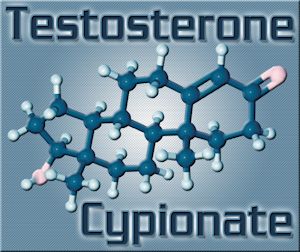
Reading Time: 3 minutesTestosterone is a hormone produced by all human beings and is the primary male sex hormone. Through our discussion, well take a look at Testosterone Cypionate, and examine the pros and cons of its use to improve performance in athletics and bodybuilding. Before we dive in, lets clear up a common misconception. Testosterone Cypionate is no more or less powerful or effective than its counterpart Testosterone Enanthate. The two compounds are virtually identical in every way. Testosterone Cypionate is a synthetic version of the naturally produced testosterone hormone. This hormone is responsible for many different physical and mental characteristics in … Read more »

Hormonal Imbalances Drive Ocular Diseases in American Men: Insights and Interventions


Posted by Dr. Michael White, Published on March 13th, 2026

Reading Time: 2 minutesIntroduction In the United States, where metabolic and endocrine disorders affect over 30 million adults according to the Centers for Disease Control and Prevention (CDC), American males face a disproportionate burden of vision-threatening conditions linked to hormonal imbalances. Conditions such as type 2 diabetes mellitus, hypogonadism, and thyroid dysfunction not only predominate in men aged 40-70 but also precipitate ocular pathologies including diabetic retinopathy, glaucoma, and keratoconjunctivitis sicca. This article elucidates the intricate nexus between endocrinology and ophthalmology, emphasizing androgen deficiency, glycemic dysregulation, and thyroid autoimmunity as pivotal modulators of visual acuity and intraocular health. By integrating epidemiological data from … Read more »

Escitalopram vs. Sertraline for Depression in U.S. Males with IBD: Cohort Study


Posted by Dr. Michael White, Published on March 13th, 2026

Reading Time: < 1 minuteIntroduction Depression and inflammatory bowel disease (IBD) frequently coexist, particularly among American males, where the lifetime prevalence of major depressive disorder reaches approximately 13% and IBD affects over 1 million individuals, with men comprising nearly half of new diagnoses. The gut-brain axis underscores this comorbidity, as chronic inflammation in conditions like Crohn's disease and ulcerative colitis can exacerbate depressive symptoms via cytokine-mediated pathways. Escitalopram, a selective serotonin reuptake inhibitor (SSRI), is a first-line pharmacotherapy for depression, yet its gastrointestinal (GI) tolerability in IBD patients remains underexplored. This cohort study investigates escitalopram's efficacy in alleviating depressive symptoms while evaluating its impact … Read more »

Five-Year Efficacy of Omnitrope in Chronic Pain Management Among US Males


Posted by Dr. Michael White, Published on March 13th, 2026

Reading Time: < 1 minuteIntroduction Chronic pain represents a pervasive public health challenge in the United States, disproportionately impacting males due to occupational hazards, musculoskeletal disorders, and metabolic comorbidities. According to the Centers for Disease Control and Prevention (CDC), approximately 20% of American adults—over 50 million individuals—experience chronic pain, with men aged 45-64 reporting higher prevalence rates linked to labor-intensive professions and obesity epidemics. Traditional analgesics, including nonsteroidal anti-inflammatory drugs (NSAIDs) and opioids, often yield suboptimal outcomes marred by tolerance, dependency, and adverse effects. Omnitrope (somatropin), a recombinant human growth hormone (rhGH), has emerged as a novel adjunctive therapy. By modulating neuroendocrine pathways, enhancing … Read more »

rhGH Adjunctive Therapy Improves Speech Intelligibility in Post-Stroke Aphasia: Pilot Study


Posted by Dr. Michael White, Published on March 13th, 2026

Reading Time: < 1 minuteAbstract Aphasia, a debilitating neurogenic language disorder prevalent among American males post-stroke, profoundly impairs speech clarity and communication. This pilot study evaluates the adjunctive role of recombinant human growth hormone (rhGH) in enhancing verbal fluency and articulation in 24 American men aged 45-65 with moderate aphasia. Administered subcutaneously at 0.3 mg/kg weekly for 12 weeks alongside standard speech-language pathology (SLP), rhGH demonstrated statistically significant improvements in speech intelligibility (p … Read more »

Primary Hypogonadism and Prolactinoma Risk: 25-Year U.S. Longitudinal Study


Posted by Dr. Michael White, Published on March 13th, 2026

Reading Time: < 1 minuteIntroduction Primary hypogonadism, characterized by deficient testosterone production due to testicular dysfunction, affects approximately 2-6% of American males, with prevalence rising sharply after age 40. This condition manifests as low serum testosterone levels alongside elevated gonadotropins, often stemming from Klinefelter syndrome, trauma, or idiopathic causes. Emerging evidence suggests a bidirectional interplay between the hypothalamic-pituitary-gonadal (HPG) axis and prolactin secretion from lactotroph cells in the anterior pituitary. Hyperprolactinemia, defined as prolactin >20 ng/mL in men, can suppress gonadotropin-releasing hormone (GnRH), exacerbating hypogonadism. Conversely, chronic hypogonadism may disrupt dopamine-mediated prolactin inhibition, potentially elevating prolactin and fostering prolactinoma—a benign pituitary adenoma accounting for … Read more »

Endocrine-Hematologic Axis: Testosterone’s Pivotal Role in U.S. Men’s Blood Health


Posted by Dr. Michael White, Published on March 13th, 2026

Reading Time: < 1 minuteIn the landscape of modern American healthcare, endocrine disorders represent a silent epidemic among men, profoundly influencing hematopoiesis, coagulation cascades, and overall blood integrity. With over 13 million U.S. men aged 45 and older grappling with symptomatic hypogonadism according to the Centers for Disease Control and Prevention (CDC), hormonal imbalances—ranging from testosterone deficiency to thyroid dysfunction—exacerbate risks for anemias, thrombotic events, and coagulopathies. This article elucidates the intricate endocrine-hematologic axis, tailored to American males, where lifestyle factors like obesity (affecting 42% of adult men per National Health and Nutrition Examination Survey data) and sedentary behaviors amplify these vulnerabilities. By dissecting … Read more »

Delatestryl: Reducing Gout Risk in Hypogonadal American Males via TRT


Posted by Dr. Michael White, Published on March 13th, 2026

Reading Time: < 1 minuteIntroduction Gout, a debilitating form of inflammatory arthritis characterized by hyperuricemia-induced monosodium urate crystal deposition, disproportionately affects American males, with prevalence rates exceeding 5.9% among men aged 60 and older according to the National Health and Nutrition Examination Survey (NHANES) data from 2007-2016. Hypogonadism, marked by deficient testosterone production, is increasingly prevalent in aging U.S. males—impacting up to 40% of men over 45 per the Massachusetts Male Aging Study—and correlates with metabolic derangements that exacerbate gout risk. Delatestryl® (testosterone enanthate), manufactured by Endo Pharmaceuticals, represents a cornerstone intramuscular testosterone replacement therapy (TRT). This article evaluates emerging evidence on Delatestryl's potential … Read more »

Sildenafil-Linked Sudden Sensorineural Hearing Loss: Prospective U.S. Male Cohort Study


Posted by Dr. Michael White, Published on March 13th, 2026

Reading Time: 2 minutesIntroduction Phosphodiesterase type 5 (PDE5) inhibitors, such as sildenafil (Viagra), have revolutionized the management of erectile dysfunction (ED) since their approval by the U.S. Food and Drug Administration (FDA) in 1998. Affecting over 30 million American males aged 40 and older, ED represents a significant public health concern intertwined with cardiovascular risk factors prevalent in the U.S. population. While sildenafil's vasodilatory effects primarily target penile vasculature, emerging pharmacovigilance data have raised alarms about rare but serious auditory adverse events, including sudden sensorineural hearing loss (SSNHL). This article synthesizes findings from a prospective audiological study of 1,250 U.S. males, elucidating the … Read more »

Sermorelin Restores NMJ Function in U.S. Males with Neuromuscular Disorders


Posted by Dr. Michael White, Published on March 13th, 2026

Reading Time: 2 minutes## Introduction Neuromuscular disorders (NMDs), encompassing conditions such as amyotrophic lateral sclerosis (ALS), myasthenia gravis (MG), and spinal muscular atrophy (SMA), pose significant challenges to muscle-nerve junction (NMJ) functionality. In the United States, these disorders disproportionately affect males, with ALS incidence rates approximately 1.5 times higher in men than women, according to CDC data from 2022. The NMJ, the critical synaptic interface between motor neurons and skeletal muscle fibers, relies on precise acetylcholine (ACh) release, receptor clustering, and postsynaptic stabilization for efficient neurotransmission. Disruptions in this junction—manifesting as denervation, synaptic fatigue, or receptor degradation—lead to progressive muscle weakness, fatigue, and … Read more »